


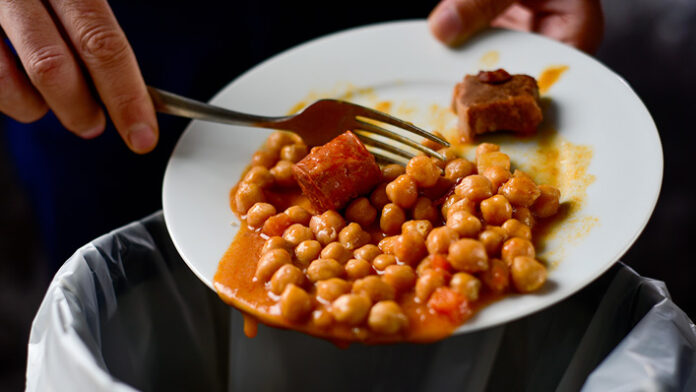
Arbitrary expiration dates
A 2016 survey by the Harvard Food Law and Policy Clinic revealed that more than a third of respondents threw out food that wasn’t used by the sell-by or best-by dates, and 84 percent admitted to doing so periodically. The sad thing about expiration dates is that they’re seldom a reflection of food safety. In fact, once food passes its peak quality, it’s considered past its date. Why? Because expiration dates are about protecting a brand, not the consumer.
It’s estimated that the average household loses upwards of $475 each year due to trashing food after its expiration date.
Is wasting food a sin?
American’s spend dramatically less of their income on food than the rest of the world. The average U.S. household pays about 6 percent of their income on food. When you compare this to countries like Egypt (43 percent) or Pakistan (nearly half of their income), it’s pretty staggering. This discrepancy has a pretty negative impact on how Americans view food waste.
As a culture, it would be ideal for us to look at our whole system of food production, sales and consumption to discover areas where changes could be made. Small changes to farm subsidies could have a dramatic effect on the supply side, making dramatic, positive changes in the national and international food systems. But because there’s big money to be made on subsidies, the likelihood for changes there are grim.
But there are things we, as consumers, can do to reduce the amount of food we waste:
- Make meal plans. A lot of food is wasted shopping meal by meal.
- Plan meals for ingredients you have. If you need to buy cilantro for a recipe, plan other meals to ensure it’s used before it goes bad.
- Check your fridge and cabinets before shopping to avoid doubling up on what you don’t need.
- Keep a list of what’s in your freezer so you can use it before it’s ruined by freezer burn.
- Be careful buying in bulk. You’re only saving money if you’re using what you buy.
- Set aside time for food prep after you go shopping. A lot of produce is wasted because it’s improperly stored or requires too much time to prepare when you want a quick snack.
- Cook perishable items and freeze to use later.
- Share meals when you go out. Most restaurants offer portions that are way too huge.
All food is a miracle
Jesus commanded that the disciples pick up the leftover food after he miraculously fed 5,000 people. It didn’t matter that the food was provided supernaturally—because, in truth, all food is a miraculous gift from God. And as long as there are people who don’t have enough, wasting food is a form of moral bankruptcy.
