Exclusive Content:

33 Bible Verses About Faith, Hope, and Trust to Use in Prayer During Hard Times

May these Bible verses about faith in hard times be what you need to be lifted up whether you find yourself in the depths of a valley or atop a mountain in this cycle of life today!

90 Bible Verses to Remind You That God’s Love Is Unconditional

Let these Bible verses remind you that God's love is unconditional. And, don't forget love one another just like God first loved us.

Boy Crawls into Stranger’s Arms at Football Game— His Aunt Hunts Her Down With Powerful Facebook Post

"I don’t know who this lady is... she waved at him and he made his way up to her. I thought their interaction would be the same as last time but I was wrong. "
Home Blog Page 58

50 Empowering Quotes for Overcoming the Shadow of Absent Fathers

Navigating the complexities of adolescence and young adulthood is no small feat, especially in the absence of a guiding paternal figure. The void left by a “deadbeat dad” can cast a long shadow, affecting self-perception, relationships, and the transition into adulthood. Yet, it’s within this shadow that many find their greatest strength, resilience, and a deep well of motivation to forge a better path for themselves and those they love. Let’s shine a light on that journey, offering a collection of motivational quotes crafted to resonate with the hearts of those who’ve felt the pang of absent fathers. Whether you’re a spouse managing the fallout or a young person feeling the weight of disappointment, these sayings aim to uplift, empower, and remind you of the unyielding strength within. Let’s explore together how adversity can be transformed into a catalyst for personal growth and a deeper understanding of what it means to rise above and thrive.

50 Reflective and Empowering Sayings for Families Affected by Absent Fathers

    1. “The strength of a family’s bond is not diminished by the weakness of one member.”
    2. “Growing up without a father taught me the value of presence, not just presents.”
    3. “A father’s absence can leave a void, but it also teaches resilience and independence.”
    4. “The absence of one should not dim the light of those who remain.”
    5. “Sometimes, being a good parent means learning what not to do from those who weren’t there.”
    6. “A child’s potential is not defined by the presence of a father but by the love and guidance of those who step in to fill that role.”
    7. “Our roots may start with a missing piece, but our branches can still reach for the sky.”
    8. “Missing a role model in my life taught me to become the person I needed.”
    9. “The hardest part of growing up without a father was learning to forgive—both him and myself.”
    10. “Fatherhood is more than just a title; it’s an action—a presence.”
    11. “Our family tree may have a branch that’s broken, but our leaves still flourish.”
    12. “The lessons not taught by a father absent from the dinner table were learned through the love and resilience at that very same table.”
    13. “We can’t choose the cards we’re dealt, but we can choose how to play them.”
    14. “In the absence of a father, I found many uncles, mentors, and heroes along the way.”
    15. “Not every man can be a father, and not every father can be a dad.”
    16. “Sometimes, the absence of a father brings the presence of strength we never knew we had.”

The Ultimate List of Karaoke Duet Songs: Fun and Easy Hits to Light Up Your Night

0

Karaoke nights are an exhilarating way to bond with friends, family, or even a partner. Whether you’re in the mood for an easy melody, a pumped-up party song, a soulful 90s hit, a nostalgic trip back to the 80s, or a heartfelt love song, singing a duet can double the fun and make any evening memorable. Here’s the ultimate list of karaoke duet songs for every pair, including male/female and female/female combinations, complete with the name of the albums they’re from. Get ready to find your perfect karaoke match!

The Best Karaoke Duet Songs List

Easy Karaoke Duet Songs to Warm Up the Night

  1. “Islands in the Stream” by Dolly Parton and Kenny Rogers – From the album Eyes That See in the Dark. An easygoing country classic that never fails to get the crowd swaying.
  2. “Lucky” by Jason Mraz and Colbie Caillat – From the album We Sing. We Dance. We Steal Things. A light and breezy tune that’s perfect for friends or couples wanting to share a feel-good moment.
  3. “You’re the One That I Want” by John Travolta and Olivia Newton-John – From the album Grease Original Soundtrack. A lively and catchy tune that brings out the fun of karaoke with its memorable lyrics and upbeat rhythm.
  4. “Jackson” by Johnny Cash and June Carter – From the album Carryin’ On with Johnny Cash and June Carter. A country classic that offers a playful exchange between partners, making it a hit for karaoke nights.
  5. “Dawns” by Zach Bryan (feat. Maggie Rogers) – From the album TBD. A recent hit that showcases a stunning collaboration between Zach Bryan and Maggie Rogers, “Dawns” is a masterful expression of love and longing. With its heartfelt lyrics and the raw, emotional depth of the performance, it’s an excellent choice for couples looking to convey a sense of sincerity and passion in their karaoke performance.
  6. “Picture” by Kid Rock and Sheryl Crow – From the album Cocky. A compelling duet that combines rock’s edge with country’s soul, “Picture” is a narrative-rich song that delves into themes of love, regret, and longing. The back-and-forth exchange between Kid Rock and Sheryl Crow provides a dynamic and emotional performance opportunity for karaoke duos looking to showcase a blend of storytelling and vocal harmony. This song is a crowd-pleaser, known for its relatable lyrics and memorable melody.

6 Unbelievable Phobias: Exploring the World of Unique and Crazy Fears

0

Phobias, or irrational fears, come in all shapes and sizes, ranging from common fears like heights and spiders to more unusual and bizarre phobias. While some phobias may seem quirky or even humorous, they can profoundly impact individuals’ daily lives and mental well-being. In this blog, we delve into a list of unique and crazy phobias, shedding light on their origins, manifestations, and potential treatments, while also celebrating the diversity of human experiences and emotions.

Unraveling the Mystery: Understanding 10 Unique and Crazy Phobias

    1. Hippopotomonstrosesquippedaliophobia

      • Definition: Hippopotomonstrosesquippedaliophobia is the fear of long words, ironically named for its lengthy designation.
      • Manifestations: Individuals with this phobia may experience anxiety or panic attacks when confronted with long words, leading to avoidance behaviors and difficulty reading or speaking.
      • Origins: The exact origins of this phobia are unclear, but it may stem from childhood experiences, linguistic challenges, or underlying anxiety disorders.
      • Coping Strategies: Cognitive-behavioral therapy (CBT), exposure therapy, and relaxation techniques can help individuals manage their fear of long words and improve their language skills.
    2. Pogonophobia

      • Definition: Pogonophobia is the fear of beards, whether natural or artificial.
      • Manifestations: People with pogonophobia may experience discomfort or distress in the presence of individuals with beards, leading to avoidance behaviors or social isolation.
      • Origins: Pogonophobia may develop due to negative experiences, cultural influences, or underlying anxieties about masculinity and facial hair.
      • Coping Strategies: Exposure therapy, gradual desensitization, and cognitive restructuring can help individuals overcome their fear of beards and develop more positive associations with facial hair.
    3. Nomophobia

      • Definition: Nomophobia is the fear of being without a mobile phone or being unable to use it.
      • Manifestations: Individuals with nomophobia may experience anxiety, agitation, or distress when separated from their mobile devices, leading to compulsive behaviors and dependence on technology.
      • Origins: Nomophobia may stem from attachment issues, social anxieties, or reliance on smartphones for communication, entertainment, and validation.
      • Coping Strategies: Behavioral interventions, mindfulness techniques, and setting boundaries with technology can help individuals reduce their dependence on mobile phones and manage their fear of being without them.
    4. Arachibutyrophobia

      • Definition: Arachibutyrophobia is the fear of peanut butter sticking to the roof of the mouth.
      • Manifestations: Individuals with arachibutyrophobia may avoid consuming peanut butter or sticky foods altogether, fearing choking or suffocation.
      • Origins: This phobia may develop from past choking incidents, sensory sensitivities, or learned associations between peanut butter and discomfort.
      • Coping Strategies: Exposure therapy, gradual desensitization, and relaxation techniques can help individuals confront their fear of peanut butter and develop more positive eating habits.

7 Generations Unveiled: Exploring the Dynamics and Impact of Each Age Cohort

0

Generations serve as essential markers in understanding societal shifts, cultural changes, and the evolution of values across time. From the Silent Generation to Generation Beta, each cohort brings unique perspectives, experiences, and influences to the table. In this comprehensive guide, we explore the defining characteristics, historical contexts, and societal impacts of various generations, providing insight into the dynamics that shape our world today and tomorrow.

History of the Generations

    1. The Silent Generation (Born 1928 – 1945):
      • Historical Context: The Silent Generation grew up during the Great Depression and World War II, experiencing economic hardship and social upheaval.
      • Characteristics: Known for their sense of duty, resilience, and conformity, members of the Silent Generation often prioritize stability and traditional values.
      • Impact: The Silent Generation played pivotal roles in rebuilding post-war societies and laying the groundwork for economic prosperity in the latter half of the 20th century.
    2. Baby Boomers (Born 1946 – 1964):
      • Historical Context: Baby Boomers were born in the aftermath of World War II, during a period of unprecedented economic growth and cultural change.
      • Characteristics: Often associated with optimism, idealism, and ambition, Baby Boomers are known for challenging traditional norms and advocating for social justice causes.
      • Impact: Baby Boomers have significantly influenced politics, economics, and popular culture, shaping policies and trends that continue to resonate today.
    3. Generation X (Born 1965 – 1980):
      • Historical Context: Generation X came of age during the tumultuous 1970s and 1980s, marked by economic recessions, technological advancements, and shifting family structures.
      • Characteristics: Independent, entrepreneurial, and skeptical of authority, Generation Xers value work-life balance and self-reliance.
      • Impact: Generation X has left its mark on music, media, and technology, pioneering innovations that have transformed industries and reshaped societal norms.
    4. Millennials (Born 1981 – 1996):
      • Historical Context: Millennials grew up in the digital age, witnessing the rise of the internet, globalization, and rapid technological change.
      • Characteristics: Tech-savvy, socially conscious, and diverse, Millennials prioritize authenticity, personal fulfillment, and social impact.
      • Impact: Millennials have reshaped consumer behavior, workplace culture, and political discourse, driving demand for sustainability, inclusivity, and corporate social responsibility.

Unveiling the Legacy: A Journey through the First 100 Popes of the Catholic Church

The papacy stands as one of the oldest and most revered institutions in the history of Christianity. Rooted in the belief that Saint Peter, one of Jesus Christ’s apostles, was appointed by Him as the first leader of the Church, the office of the pope has evolved over two millennia to become a symbol of spiritual authority and guidance for millions of Catholics worldwide. As we embark on a journey through the annals of history, we delve into the lives and legacies of the first 100 popes, whose leadership and contributions have shaped the course of Christianity and left an indelible mark on the world. From the humble beginnings of Saint Peter to the pontificate of Saint Valentine, each pope’s story offers a glimpse into the challenges, triumphs, and enduring faith that have characterized the papacy throughout the ages. Join us as we explore the rich history of the Church’s legacy and those who have led the faithful on their journey of faith for over two millennia.

The First 100 Popes of the Catholic Church

  1. Saint Peter (c. 30 – c. 64):
    • As the first pope and one of the twelve apostles chosen by Jesus, Saint Peter holds a revered place in Christian tradition.
    • He is believed to have been martyred in Rome during the reign of Emperor Nero, establishing the primacy of the papacy in the city.
  2. Saint Linus (c. 67 – c. 76):
    • Little is known about Saint Linus, who succeeded Saint Peter as pope.
    • Tradition holds that he was martyred for his faith, continuing the legacy of Peter’s leadership.
  3. Saint Anacletus (c. 76 – c. 88):
    • Saint Anacletus, also known as Cletus, is believed to have served as pope following Saint Linus.
    • He is venerated as a martyr for his unwavering commitment to the Christian faith.
  4. Saint Clement I (c. 88 – c. 97):
    • Saint Clement I, the fourth pope, is remembered for his pastoral care and leadership of the early Christian community.
    • He is traditionally regarded as the author of several epistles, including the First Epistle of Clement, which provided guidance to the Church.
  5. Saint Evaristus (c. 97 – c. 105):
    • Saint Evaristus succeeded Saint Clement I as pope and continued his predecessor’s work in shepherding the Church.
    • He is revered as a martyr and a saint for his steadfast devotion to the Christian faith.
  6. Saint Alexander I (c. 105 – c. 115):
    • Saint Alexander I served as pope during a period of growth and expansion for the early Christian community.
    • He is honored for his efforts to strengthen the Church and defend its teachings against external threats.
  7. Saint Sixtus I (c. 115 – c. 125):
    • Saint Sixtus I, also known as Xystus, is remembered for his leadership and martyrdom for the Christian faith.
    • He is venerated as a saint and a martyr for his steadfast commitment to the Church.
  8. Saint Telesphorus (c. 125 – c. 136):
    • Saint Telesphorus served as pope during a time of persecution and hardship for the early Church.
    • He is honored for his unwavering faith and dedication to the Christian community, even in the face of adversity.
  9. Saint Hyginus (c. 136 – c. 140):
    • Saint Hyginus succeeded Saint Telesphorus as pope and continued his predecessor’s work in leading the Church.
    • He is revered for his efforts to strengthen the Church and preserve its teachings during a challenging period.
  10. Saint Pius I (c. 140 – c. 155):
    • Saint Pius I served as pope during a time of theological debate and controversy within the early Christian community.
    • He is remembered for his efforts to maintain unity and orthodoxy within the Church, despite external pressures.

Celebrating 55 Years of Super Bowl Champions: A Complete List of NFL’s Greatest Victories

0

The Super Bowl stands as the pinnacle of American football, where the best teams from the AFC and NFC clash in a battle for gridiron supremacy. Throughout its storied history, the Super Bowl has produced countless memorable moments, heroic performances, and unforgettable champions. In this comprehensive guide, we’ll take a journey through time to explore the list of Super Bowl champions, celebrating the triumphs of legendary teams and the indelible mark they’ve left on the sport.

Super Bowl Champions By Year

  1. Super Bowl I (1967):
    • Inaugurating the grand tradition, the Green Bay Packers, led by coach Vince Lombardi and quarterback Bart Starr, emerged victorious against the Kansas City Chiefs.
    • The Packers’ dominant performance set the stage for the dynasty that would follow, laying the foundation for their future success.
  2. Super Bowl II (1968):
    • The Packers continued their reign of dominance, securing their second consecutive championship with a win over the Oakland Raiders.
    • Lombardi’s leadership and Starr’s stellar play solidified the Packers’ status as one of the greatest teams in NFL history.
  3. Super Bowl III (1969):
    • The New York Jets, led by quarterback Joe Namath, pulled off one of the biggest upsets in Super Bowl history, defeating the heavily favored Baltimore Colts.
    • Namath’s iconic guarantee and the Jets’ stunning victory propelled the AFL-NFL merger and elevated the Super Bowl to unprecedented heights of popularity.
  4. Super Bowl IV (1970):
    • The Kansas City Chiefs returned to the Super Bowl, this time capturing their first championship by defeating the Minnesota Vikings.
    • Quarterback Len Dawson and coach Hank Stram guided the Chiefs to victory, solidifying their place in football lore.
  5. Super Bowl V (1971):
    • In a closely contested matchup, the Baltimore Colts edged out the Dallas Cowboys to claim their first Super Bowl title.
    • The game featured numerous turnovers and miscues, earning it the nickname “The Blunder Bowl,” but the Colts emerged victorious in the end.
  6. Super Bowl VI (1972):
    • The Dallas Cowboys redeemed themselves from previous Super Bowl losses by dominating the Miami Dolphins to capture their first championship.
    • Quarterback Roger Staubach and coach Tom Landry led the Cowboys to a resounding victory, establishing them as a perennial powerhouse in the NFL.
  7. Super Bowl VII (1973):
    • The Miami Dolphins completed a perfect season, becoming the only team in NFL history to finish undefeated and win the Super Bowl.
    • Coach Don Shula and quarterback Bob Griese orchestrated the Dolphins’ historic run, culminating in a victory over the Washington Redskins.
  8. Super Bowl VIII (1974):
    • The Dolphins continued their dominance, capturing their second consecutive championship with a victory over the Minnesota Vikings.
    • Running back Larry Csonka and the “No-Name Defense” led Miami to another Super Bowl triumph, solidifying their place in football history.
  9. Super Bowl IX (1975):
    • The Pittsburgh Steelers began their dynasty with a gritty victory over the Minnesota Vikings, earning their first Super Bowl title.
    • Coach Chuck Noll and a dominant defense paved the way for the Steelers’ success, setting the stage for their future dominance in the NFL.
  10. Super Bowl X (1976):
    • The Steelers continued their reign of dominance, defeating the Dallas Cowboys in a thrilling showdown to capture their second consecutive championship.
    • Quarterback Terry Bradshaw and a formidable defense led Pittsburgh to victory, cementing their status as one of the greatest teams in NFL history.

20 Inspirational Quotes About Success to Fuel Your Journey Towards Achievement

0

Success is more than a destination—it’s a journey marked by growth, resilience, and the continuous pursuit of goals that matter to us. While the markers of success can vary greatly—from professional achievements and accolades to personal satisfaction and happiness—the core essence of what it means to be successful resonates universally. To inspire, motivate, and provoke thought on this complex topic, we’ve gathered a collection of quotes about success to shed light on the importance of perseverance, the value of failure, and the personal satisfaction that comes from following one’s passions and purposes.

Quotes About Success and Their Insights

    1. “Success is not the key to happiness. Happiness is the key to success. If you love what you are doing, you will be successful.” – Albert Schweitzer
      • Insight: Schweitzer emphasizes that passion and fulfillment in one’s work are foundational to achieving true success, suggesting that happiness precedes success, not the other way around.
    2. “Success is to be measured not so much by the position that one has reached in life as by the obstacles which he has overcome.” – Booker T. Washington
      • Insight: Washington’s quote highlights the importance of resilience and the ability to overcome challenges as the true measures of success, rather than merely the end achievements.
    3. “I failed my way to success.” – Thomas Edison
      • Insight: Edison’s succinct statement underscores the value of persistence and learning from failure as essential steps on the path to achieving success.
    4. “Success is not final, failure is not fatal: It is the courage to continue that counts.” – Winston Churchill
      • Insight: Churchill points out that success is a dynamic journey rather than a static endpoint, emphasizing the importance of perseverance beyond both success and failure.
    5. “The only place where success comes before work is in the dictionary.” – Vidal Sassoon
      • Insight: Sassoon humorously yet accurately reminds us that hard work is an indispensable precursor to success, debunking the myth of overnight achievements.
    6. “Success usually comes to those who are too busy to be looking for it.” – Henry David Thoreau
      • Insight: Thoreau suggests that success is a byproduct of dedication and hard work, rather than the sole object of one’s pursuits.
    7. “Success is not how high you have climbed, but how you make a positive difference to the world.” – Roy T. Bennett
      • Insight: Bennett redefines success as making meaningful contributions to society, highlighting the significance of impact over personal gain.
    8. “To be successful, the first thing to do is fall in love with your work.” – Sister Mary Lauretta
      • Insight: This quote echoes the sentiment that passion for one’s work is crucial to achieving success, suggesting that love for what you do is the first step.
    9. “Success is stumbling from failure to failure with no loss of enthusiasm.” – Winston Churchill
      • Insight: Churchill again emphasizes resilience, portraying success as a journey marked by persistence and a positive attitude in the face of setbacks.
    10. “Don’t aim for success if you want it; just do what you love and believe in, and it will come naturally.” – David Frost
      • Insight: Frost advises that success follows naturally when one focuses on their passions and convictions, rather than pursuing success as an end goal.

20 Transformative Quotes on Attitude That Will Change Your Perspective

0

Attitude is everything. It shapes our experiences, colors our perceptions, and plays a pivotal role in our interactions with others and ourselves. A positive attitude can be a beacon of light, guiding us through challenging times, while a negative outlook can cast shadows on our brightest days. Understanding the power of attitude can be transformative, influencing not only our own lives but also the lives of those around us. To inspire a shift towards more positive and empowering attitudes, we’ve gathered a collection of profound quotes from thinkers, leaders, and visionaries. These quotes on attitude serve as reminders that our attitude is a choice—one that can lead to growth, happiness, and fulfillment.

Quotes on Attitude and Reflections

    1. “The greatest discovery of any generation is that a human can alter his life by altering his attitude.” – William James
      • Reflection: This quote underscores the transformative power of attitude. It suggests that personal revolution begins with a shift in perspective, highlighting attitude as a foundational element in the quest for a fulfilling life.
    2. “Attitude is a little thing that makes a big difference.” – Winston Churchill
      • Reflection: Churchill’s words remind us that even though attitude may seem intangible or minor, it has the power to dramatically influence outcomes and the quality of our experiences.
    3. “We cannot change our past. We can not change the fact that people act in a certain way. We cannot change the inevitable. The only thing we can do is play on the one string we have, and that is our attitude.” – Charles R. Swindoll
      • Reflection: Swindoll highlights attitude as our most powerful tool in dealing with life’s uncontrollable aspects. It’s a call to focus on what we can influence—our response and outlook.
    4. “Life is 10% what happens to us and 90% how we react to it.” – Charles R. Swindoll
      • Reflection: This quote emphasizes the importance of response over circumstance. It suggests that the essence of life’s experience lies in our reactions, which are rooted in our attitudes.
    5. “A positive attitude may not solve all your problems, but it will annoy enough people to make it worth the effort.” – Herm Albright
      • Reflection: With humor, Albright suggests that maintaining a positive attitude, even in the face of adversity, can be a form of resilience that disarms negativity and challenges around us.
    6. “Your attitude, not your aptitude, will determine your altitude.” – Zig Ziglar
      • Reflection: Ziglar’s iconic quote speaks to the idea that success is more significantly influenced by our perspective and determination than by our innate abilities or talents.
    7. “Pessimism leads to weakness, optimism to power.” – William James
      • Reflection: This quote contrasts the debilitating effects of negative thinking with the empowering nature of optimism, championing a positive outlook as a source of strength.
    8. “The only disability in life is a bad attitude.” – Scott Hamilton
      • Reflection: Hamilton challenges us to view attitude as the critical factor in overcoming obstacles, suggesting that a positive mindset is key to transcending limitations.
    9. “You cannot control what happens to you, but you can control your attitude toward what happens to you, and in that, you will be mastering change rather than allowing it to master you.” – Brian Tracy
      • Reflection: Tracy’s quote is a powerful reminder of personal agency. It encourages taking charge of our responses to life’s events as a means of navigating change effectively.
    10. “Keep your face always toward the sunshine—and shadows will fall behind you.” – Walt Whitman
      • Reflection: Whitman metaphorically speaks to the importance of focusing on the positive to ensure that negativity remains a background element, not a focal point.

15 Heartwarming ‘I Hope You Have a Good Day’ Quotes to Brighten Someone’s Morning

0

In the hustle and bustle of daily life, taking a moment to wish someone a good day can be a powerful gesture of kindness and connection. Whether through a text, an email, or spoken directly, these simple words can light up someone’s day, offering a ray of sunshine amid the clouds of routine. To help spread this light, we’ve compiled a list of “I hope you have a good day” quotes that encapsulate the essence of wishing someone well. These are more than just phrases; they’re a way to share a smile, to send a hug from afar, and to remind someone that they’re in your thoughts.

“I Hope You Have a Good Day” Quotes and Reflections

    1. “Wishing you a day filled with sunshine and smiles. Make it beautiful!”
      • Reflection: This quote is a bright and cheerful reminder that the recipient has the power to make their day wonderful, with a little nudge from your well-wishes.
    2. “May your day be as wonderful as the first sip of your morning coffee.”
      • Reflection: Perfect for coffee lovers, this quote relates the warmth and comfort of enjoying morning coffee to the hope that the entire day brings the same feeling of contentment.
    3. “Sending you a smile to carry in your heart throughout the day. Have a beautiful one!”
      • Reflection: A smile is a powerful symbol of joy and friendship. This quote is like sending a portable hug to help them face the day.
    4. “Just a note to say I hope your day is as amazing as you are!”
      • Reflection: Personal and uplifting, this quote is a beautiful affirmation of someone’s value and the good day they deserve.
    5. “Let this day be filled with productivity and peace. You’ve got this!”
      • Reflection: Ideal for someone facing a busy day, this quote balances the wish for achievement with the equally important goal of inner calm.

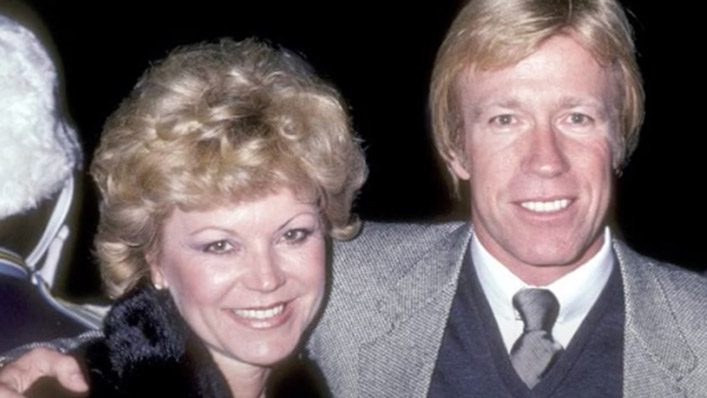
Chuck Norris: A Tale of Enduring Love from High School Sweetheart to Lifelong Partner

0

Chuck Norris, a name synonymous with martial arts excellence and cinematic heroism, has led a life as intriguing off-screen as the characters he portrays on-screen. While much is known about his professional achievements, his personal life, particularly his relationships, presents another facet of this multifaceted individual. This blog delves into the lives of the two significant women in Chuck Norris’s life: his high school sweetheart and first wife, Dianne Holechek, and his current wife, former model and actress Gena O’Kelley.

The Early Years: Chuck Norris and Dianne Holechek

Chuck Norris’s journey with Dianne Holechek started in a quintessentially romantic fashion. High school sweethearts, their story began when Norris was just a junior. The simplicity and innocence of teenage love evolved into a lifelong commitment when Norris, clad in his Air Force uniform, married Dianne in December 1958 in Torrance, California. Their wedding, steeped in traditional values, marked the beginning of a union that would face the inevitable highs and lows of life together.

The early years of their marriage saw Norris enlisting in the U.S. Air Force. It was during this period of separation and longing that Norris proposed to Dianne, not in person, but through a heartfelt letter. This gesture, emblematic of their time and the challenges they faced, solidified their bond, showcasing the strength and depth of their young love.

Their marriage, spanning over three decades, witnessed Norris’s rise from a martial arts instructor to a Hollywood icon. Dianne remained a steady presence in his life, supporting him through his career’s vicissitudes and the challenges of life in the limelight. Together, they navigated the complexities of fame, family, and personal growth.

Transition and Transformation: End of One Chapter, Beginning of Another

Despite the strength and longevity of their marriage, Chuck and Dianne’s journey together concluded in 1989. The end of their marriage marked a significant transition in Norris’s personal life and opened a new chapter that would eventually lead him to Gena O’Kelley.

Gena O’Kelley: A New Beginning

Gena O’Kelley entered Chuck Norris’s life as a breath of fresh air, bringing with her a new perspective and love. Unlike the youthful romance that characterized his first marriage, Norris’s relationship with O’Kelley was that of maturity, mutual respect, and shared values. A former model with aspirations in acting, O’Kelley brought her own experiences and individuality into Norris’s world.

Their marriage in 1998 symbolized more than just a new beginning; it represented Norris’s ability to find love and companionship again. Gena, transitioning from modeling to small theater roles, also appeared as herself in TV series like “Hannity,” “Praise The Lord,” and “Yes, Dear,” showcasing her versatility and adaptability.

Life with Gena: Support, Health, and Advocacy

The marriage between Chuck Norris and Gena O’Kelley has been more than a partnership; it has been a union of life, love, and advocacy. Gena has been an integral part of Norris’s life, supporting him in his endeavors while also pursuing her interests and passions.

Together, they have faced challenges, particularly concerning health issues. Gena’s battle with health complications due to gadolinium toxicity brought the couple closer as they navigated the complexities of her diagnosis and treatment. This ordeal underscored the depth of Norris’s commitment to O’Kelley, as he stepped back from the spotlight to focus on her health and recovery.

Their journey through Gena’s health challenges also propelled them into advocacy, raising awareness about the risks associated with gadolinium-based contrast agents used in magnetic resonance imaging (MRI) scans. Their fight against medical adversity has highlighted their resilience as a couple and their dedication to helping others facing similar battles.

Conclusion: The Evolution of Love and Partnership

The love stories of Chuck Norris with Dianne Holechek and Gena O’Kelley depict the evolution of a man through different stages of his life. Each marriage, with its joys, challenges, and lessons, has contributed to the person Norris is today. From the innocence of high school love with Dianne to the mature companionship with Gena, Norris’s personal life reflects growth, resilience, and the enduring capacity to love.

As Chuck Norris continues his journey with Gena by his side, their marriage remains a testament to the power of love, support, and shared values. It exemplifies how life can bring new beginnings, even after the end of long chapters, and how love can thrive in the face of adversity. The story of Chuck Norris and his spouses, Dianne Holechek and Gena O’Kelley, is more than a narrative of celebrity marriages; it is a story of life, love, and the unending quest for companionship and understanding.

10 Empowering Self-Respect Walk Away Quotes for When Things Get Heated

0

In our journey through life, we often encounter situations that test the boundaries of our self-respect and dignity. Whether it’s a toxic relationship, a demeaning job, or any scenario that diminishes our sense of worth, the decision to walk away can be both daunting and liberating. It’s a declaration that we value ourselves enough to leave behind what no longer serves us or harms our well-being. To inspire and empower you to make such decisions, here’s a curated list of self-respect walk away quotes that shine a light on the importance of walking away for the sake of self-respect. Each quote is accompanied by reflections on its meaning and how it can be applied in our lives.

Self-Respect Walk Away Quotes

    1. “Dignity will only happen when you realize that having someone in your life doesn’t validate your worth.” – Unknown
      • Reflection: This quote speaks to the heart of self-respect—recognizing that your value isn’t contingent on anyone else’s presence or approval. Walking away from relationships that fail to recognize your worth is a profound act of self-validation.
    2. “Sometimes walking away is the only option. Not because you want to make someone miss you, but because you need to rediscover your own self-worth.” – Unknown
      • Reflection: Walking away isn’t about influencing the other person’s feelings or actions; it’s about reclaiming your self-esteem and identity. It’s a journey back to your core, reminding you of your inherent value.
    3. “The moment you feel like you have to prove your worth to someone is the moment to absolutely and utterly walk away.” – Alysia Harris
      • Reflection: This powerful assertion underscores the importance of recognizing when a situation demands more than you should give. If your worth is in question, it’s time to step back and reassess your willingness to remain in such a scenario.
    4. “Never beg someone to be in your life. If you text, call, visit and still get ignored, walk away. It’s called self-respect.” – Unknown
      • Reflection: Persistence in the face of neglect only diminishes your dignity. Recognizing when to stop trying is a crucial aspect of self-respect. It’s about understanding that your effort and affection should be reciprocated, not ignored.
    5. “I am learning to love the sound of my feet walking away from things not meant for me.” – A.G.
      • Reflection: This quote is a celebration of the strength it takes to leave situations that don’t align with your path or purpose. It emphasizes the beauty in making tough decisions for your own growth and happiness.
    6. “Walking away has nothing to do with weakness, and everything to do with strength. We walk away not because we want others to realize our worth and value, but because we finally realize our own.” – Robert Tew
        • Reflection: True strength lies in recognizing your worth and acting in accordance with that knowledge. This quote is a reminder that walking away is a profound acknowledgment of self-awareness and self-respect.

My Kids Hate Each Other: The Day Police Had to Intervene in Our Family Crisis

0

In the quiet before dawn breaks, in those solitary moments where the world outside seems to pause, my heart ventures into a realm of deep yearning and regret. This yearning isn’t for material wealth or personal achievements, but for something far more primal and inherently human—the longing for a family united not just by blood, but by bonds of love, respect, and understanding. Yet, as daylight infiltrates the shadows of our home, this dream dissipates, leaving behind the stark reality of a family in turmoil. My children, Alex, a burgeoning adult at 17 with a fiercely independent streak, and Emma, a young teenager at 14, struggling to find her voice in the shadow of her brother, have become embroiled in a bitter feud. This isn’t the typical sibling rivalry characterized by temporary squabbles and quick reconciliations. Their conflict, fueled by deep-seated resentments and misunderstandings, has escalated to a point of near no return, culminating in an incident that every parent dreads—a situation so severe that it necessitated intervention by law enforcement.

My Kids Hate Each Other: The Depth of the Conflict

The transformation of Alex and Emma’s relationship from sibling rivalry to outright hostility did not happen overnight. It was a gradual descent, marked by an accumulation of grievances, jealousies, and perceived slights that festered over time. Alex, who once doted on his younger sister, began to see her as an irritant, her presence an unwelcome intrusion into his increasingly private world. Emma, for her part, felt abandoned and belittled, her admiration for her older brother turning into resentment. Their arguments became more frequent and intense, over everything from household chores to invasions of privacy, each incident another layer added to the wall building between them.

A particularly harrowing event last summer brought this simmering conflict to a boiling point. A dispute over something as inconsequential as a misplaced laptop charger quickly escalated, voices raised in anger, harsh words exchanged with the intent to hurt. The argument turned physical, a line neither had crossed before. Furniture was knocked over, a vase shattered—the chaos mirroring the emotional turmoil within. It was this crescendo of violence that led to the call to the police, a decision made in a moment of sheer desperation, with the hope of quelling the tempest before it caused irrevocable harm.

The Emotional Toll on the Family

The aftermath of that evening left our family reeling. The arrival of the police at our doorstep, their uniforms a stark contrast to the domestic setting, was a visual reminder of how far we had strayed from the ideal of a harmonious family life. The emotional fallout was immediate and intense. For me, as their mother, the incident was a devastating blow, a manifestation of my deepest fears—that I had somehow failed in my most important role. The guilt and disappointment were suffocating, compounded by the visible toll on our family. My husband and I found ourselves at odds more frequently, our strategies for addressing the conflict between Alex and Emma diverging in ways that only added to the tension. The atmosphere in our home, once filled with the typical noise and chaos of family life, became subdued, a silence born of walking on eggshells, of avoiding the issues that had brought us to this point.

My Dream for Our Family

Despite the tumult that has come to define our daily lives, my dream for what our family could be remains undimmed. I envision a future where Alex and Emma not only coexist peacefully but support and cherish one another. I dream of family dinners where laughter flows as easily as conversation, where shared memories are made rather than conflicts reignited. I see holidays filled with joy and togetherness, where the spirit of the season is reflected in the warmth and love we show each other. This vision extends beyond the superficial markers of a “happy family“; it encompasses a deep, abiding connection between Alex and Emma, one that acknowledges their differences but celebrates their shared history, their shared blood.

Efforts to Bridge the Gap

In the wake of the incident, we have doubled down on our efforts to heal the rift between Alex and Emma. Recognizing the complexity of their feelings towards each other, we turned to professional help, engaging in family therapy sessions designed to untangle the web of emotions and resentments that had ensnared us. These sessions, often challenging and emotionally charged, have slowly begun to shed light on the misunderstandings and hurt that lie at the heart of their conflict.

We also implemented new family routines aimed at rebuilding the foundations of our relationship. Shared activities, once a source of contention, have become opportunities for connection—cooking meals together, scheduling regular family game nights, and encouraging open discussions about our feelings and experiences. These moments, small as they may seem, are the building blocks of the future I envision for us.

Personal growth has been a focus as well, with both Alex and Emma engaging in individual therapy sessions to address their personal issues and insecurities. This journey of self-discovery is crucial, not only for their personal well-being but for the health of our family as a whole.

The path to reconciliation is long and fraught with obstacles, but it is a journey we are committed to making as a family. The incident that brought the police to our doorstep will forever mark a turning point in our lives, a stark reminder of the potential consequences of unchecked anger and resentment. Yet, it also serves as a catalyst for change, forcing us to confront the issues we had long ignored and to take concrete steps towards healing.

My hope for a harmonious family, where Alex and Emma share a bond of love and mutual respect, remains the beacon guiding our efforts. It is a hope grounded in the belief that from the depths of our despair, we can rise to build something stronger and more enduring. In facing these challenges together, we are slowly forging a new path, one that leads away from conflict and towards a future filled with love, understanding, and unity.