Exclusive Content:

Boy Crawls into Stranger’s Arms at Football Game— His Aunt Hunts Her Down With Powerful Facebook Post

"I don’t know who this lady is... she waved at him and he made his way up to her. I thought their interaction would be the same as last time but I was wrong. "

During a Kitchen Dance Party, Foster Mom Hears Heartfelt Words: ‘I Miss My Other Daddy’

"I felt the tug on my sleeve and looked down to find him standing motionless. His mouth was moving but I couldn’t make out his words. His quiet body in the noisy room caught me off guard. I bent down to find his voice."

Friend Says “Of All People, You Should Get Why Someone Would Abort a Cleft Baby”—Dad’s Reply Is Perfect

"My ‘friend’ said, ‘Come on, of all people, you should get why someone would want to abort a cleft baby.’ That shocked me. Why would he think that?"
Home Blog Page 29

Will We Live with Our Families in Heaven? Exploring What the Bible Says About Eternal Relationships

0

The idea of being reunited with loved ones after death is a hope shared by many. For Christians, the question of will we live with our families in heaven often brings both comfort and curiosity. While the Bible does not give a detailed map of what heaven will be like, it does provide insights into the nature of our relationships in eternity. In this article, we’ll explore what the Bible says about family bonds in heaven and what they mean for those hoping for eternal relationships.

Will We Live with Our Families in Heaven? Biblical Insights on Eternal Relationships

The Bible reveals glimpses of heaven, depicting it as a place of joy, peace, and closeness with God. For those who wonder will we live with our families in heaven, these glimpses invite us to imagine a perfected existence free from the sorrows and limitations of earthly life. Let’s delve into several key themes in Scripture that illuminate what eternal relationships might be like in heaven.

1. Heaven Is a Place of Perfect Love and Community

In heaven, we will experience love and unity on a level that we cannot fully understand in this life. Revelation 21:3-4 describes heaven as a place where God “will dwell with them, and they shall be His people.” There will be no more death, mourning, or pain. This points to an existence where love, joy, and peace are fully realized, implying that we will share a profound connection with others.

While earthly relationships are often limited by misunderstandings, brokenness, or separation, these limitations will be removed in heaven. We can expect an enhanced sense of closeness with others, including family, without the pain or conflict that may have been part of our relationships on earth.

2. Recognition of Loved Ones in the Afterlife

One reason many Christians believe that we will recognize and live with family members in heaven is based on biblical accounts that suggest recognition in the afterlife. In Matthew 17, during the Transfiguration, Jesus is seen speaking with Moses and Elijah, who are clearly identifiable to Peter, James, and John. This implies that individuals retain recognizable identities beyond this life.

RELATED: Chip and Joanna Gaines: 11 Godly Secrets to an Epic Marriage and Family

Additionally, in 1 Corinthians 13:12, Paul writes, “For now we see in a mirror, dimly, but then face to face. Now I know in part, but then I shall know just as I also am known.” This verse indicates that we will possess a heightened awareness and understanding in heaven. This can be interpreted to mean that we will recognize loved ones and share a deeper, more complete understanding of each other.

3. The Family of God in Heaven

A central theme throughout the New Testament is the idea of believers as part of God’s family. In John 1:12-13, we learn that those who believe in Christ are “children of God,” and in Ephesians 2:19, Paul refers to believers as “members of God’s household.” In heaven, our primary identity will be as children of God, part of His divine family. This means that, while earthly family relationships are deeply meaningful, they will be transformed and expanded within the context of God’s eternal family.

In heaven, we will share a profound bond with all believers, united as one family in Christ. Jesus emphasized this when He said in Matthew 12:50, “For whoever does the will of My Father in heaven is My brother and sister and mother.” This suggests that in heaven, our familial ties may be expanded to include all who are part of God’s family.

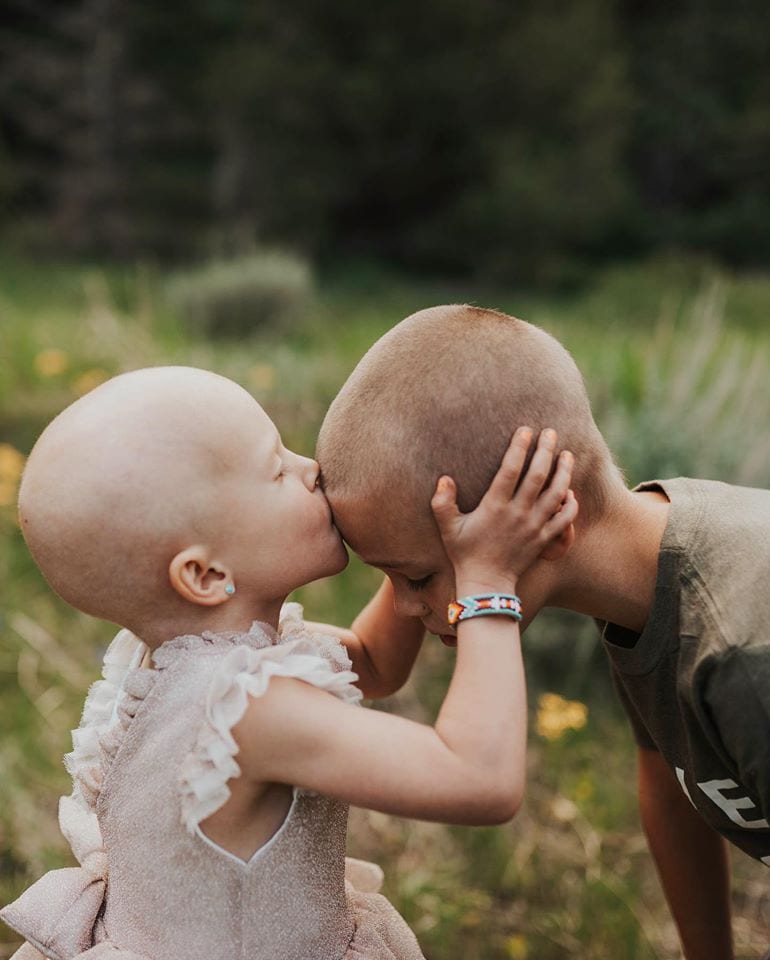
The Reason This Brother & Sister Duo Just Shaved Their Heads Together Is the Definition of Selfless Love

0

In the words of one heartbroken mama watching her son Beckett battle cancer, “One thing they don’t tell you about childhood cancer is that it affects the entire family.” Within the close family is a big brother little sister duo that is just precious.

“You always hear about the financial and medical struggles, but how often do you hear about the struggles families with other children face?” she questioned.

This Big Brother Little Sister Duo Teaches the Entire Family About Carrying One Another’s Burdens

Her then 4-year-old, watched as her once resilient baby bro vomited between play sessions, woke up in the middle of the night to throw up, and shriveled from 30lbs to 20lbs—all while standing by his side, rubbing his back to ease the pain.

“This is childhood cancer. Take it or leave it,” she wrote.

While childhood cancer is absolutely horrid, draining, and devastating for the whole family, there is one sibling duo that’s trying to bring beauty from the ashes.

3-year-old Lula was recently diagnosed with Stage 2 Welm’s, a rare kidney cancer, in March of 2020.

After completing round 11 of chemo, her family knew it was time to prepare her for the hair loss that was soon to come:

“We knew it would take her hair, so we started preparing her by saying, ‘We may have to shave your hair really short!’ She’d reply with, ‘Let’s do it tonight!’ She didn’t let it phase her even when she started brushing out handfuls of hair daily,” her mom explained.

But Lula’s big brother wasn’t about to let his lil sis go through that kind of painful life event on her own:

“The night we decided it was time, her big brother Kohen didn’t blink an eye before saying, ‘I’m shaving mine too!'”

“He let his sister shave his off along with hers so she wouldn’t endure it alone,” wrote the proud mama.

“He is the best brother,” she added. “So caring, kind and compassionate.”

“Lula got to shave his whole head and she couldn’t help but rub it and kiss his head when it was finished.”

“I’m so happy they have each other, through thick and thin! I am so proud of my babies.”

We certainly are too!

Kudos to this selfless big brother and his brave littler sister who have shown us in bright picturesque color what it looks like to let a little love and joy shine through the cracks of tragedy. ❤️

**Photo Credit: Kristin Bowden Photography. See more of Kristin’s incredible work on her Facebook page

What Does the Bible Say About Suicide? Understanding Scripture’s Perspective on Life and Hope

0

Suicide is a deeply tragic and complex issue that affects individuals, families, and communities. For those grappling with the emotional and spiritual questions surrounding it, understanding the Bible’s perspective on suicide can offer both comfort and guidance. So, what does the Bible say about suicide? While the Bible does not address suicide directly in a single passage, its teachings on life, human dignity, and God’s unfailing hope provide important insights into how Christians can approach this painful topic.

In this article, we will explore key biblical principles that inform the Christian understanding of suicide, focusing on the inherent value of life, God’s compassion for those who suffer, and the hope that can be found even in the darkest of times. By the end, you’ll have a clearer understanding of what the Bible says about suicide and how its messages can guide us through moments of despair.

What Does the Bible Say About Suicide?

The Bible does not provide an explicit, straightforward condemnation or endorsement of suicide in any single verse. However, it contains numerous passages that emphasize the sanctity of life, God’s care for the brokenhearted, and the eternal hope available through faith in Him. When considering what the Bible says about suicide, it’s important to examine these overarching themes that point to a life of value, purpose, and divine care.

RELATED: Elmo Asks the Internet a Simple Question, Gets Flooded With Mental Health Struggles and Everyday Trauma

The Sanctity of Life

One of the most important principles in understanding the Bible’s stance on suicide is the sanctity of human life. Scripture teaches that all life is created by God and is, therefore, sacred. In the book of Genesis, we read:

“So God created mankind in his own image, in the image of God he created them; male and female he created them.” (GENESIS 1:27, NIV)

This verse highlights that humans are made in the image of God, which grants each person inherent worth and dignity. Life is a gift from God, and it is to be cherished and protected. The Bible consistently upholds the value of life, not only in its creation but also in its purpose. Every person has a God-given purpose, even if it might not always be clear in moments of despair.

In Exodus 20:13, the commandment “You shall not murder” is another affirmation of the sanctity of life. While this commandment primarily addresses the taking of another’s life, it reflects the broader biblical teaching that life is to be preserved. Suicide, though an act of self-inflicted harm, would be seen as a violation of the life that God has given to each individual.

Examples of Suicide in the Bible

The Bible does record several instances of suicide, though they are not depicted positively. The most notable examples include:

  1. Saul: After being mortally wounded in battle, King Saul fell on his own sword to avoid capture by the Philistines (1 Samuel 31:4).
  2. Judas Iscariot: After betraying Jesus, Judas was overcome with guilt and hanged himself (Matthew 27:3-5).

In these examples, the circumstances surrounding the suicides are tragic, and they are often depicted in the context of despair, guilt, or fear. However, the Bible does not directly offer a moral judgment on these acts. Rather than focusing on the act of suicide itself, the Bible highlights the emotional and spiritual distress that led to these decisions.

God’s Compassion for the Brokenhearted

Though the Bible emphasizes the sanctity of life, it is also filled with passages that speak to God’s deep compassion for those who are suffering. For individuals who may be struggling with suicidal thoughts, Scripture offers the assurance that God sees their pain and is near to them in their distress.

RELATED: 52 Bible Verses About Hope for Times of Grief

Psalm 34:18 offers a comforting promise:

“The Lord is close to the brokenhearted and saves those who are crushed in spirit.”

This verse underscores God’s care for those who are in the depths of emotional or spiritual suffering. It reassures us that even when we feel alone or overwhelmed by despair, God is near, ready to offer comfort and healing.

Similarly, in Matthew 11:28-30, Jesus extends a personal invitation to those who are weary and burdened:

“Come to me, all you who are weary and burdened, and I will give you rest. Take my yoke upon you and learn from me, for I am gentle and humble in heart, and you will find rest for your souls.”

Jesus’ words reflect God’s desire to provide comfort, rest, and peace to those who are weighed down by life’s struggles. The Bible consistently teaches that no matter how dark life may seem, there is hope and healing available in God.

The Hope of Eternal Life and Redemption

One of the central messages of the Christian faith is that there is always hope, even in the most desperate circumstances. This hope is not based solely on earthly circumstances, but on the promise of eternal life through faith in Jesus Christ. For those struggling with feelings of hopelessness or despair, the Bible offers an enduring promise of redemption and eternal peace.

In John 10:10, Jesus says:

“I have come that they may have life, and have it to the full.”

Jesus’ purpose in coming to Earth was to give life—both abundant life here and eternal life in the presence of God. This passage emphasizes that God desires for His people to live lives filled with meaning, purpose, and hope.

Romans 8:38-39 also reminds us of the unbreakable love of God:

“For I am convinced that neither death nor life, neither angels nor demons, neither the present nor the future, nor any powers, neither height nor depth, nor anything else in all creation, will be able to separate us from the love of God that is in Christ Jesus our Lord.”

This powerful statement assures believers that nothing—not even death—can separate them from God’s love. For those considering suicide, it is essential to understand that God’s love and grace are unchanging, no matter how deep their pain may be.

Seeking Help and Support

Understanding what the Bible says about suicide is an important step, but it’s equally important to recognize that God does not intend for anyone to face their struggles alone. The Bible encourages believers to lean on one another for support, comfort, and guidance.

Galatians 6:2 instructs:

“Carry each other’s burdens, and in this way you will fulfill the law of Christ.”

This call to community underscores the importance of seeking help when struggling with overwhelming feelings of despair. Whether through friends, family, church leaders, or professional counselors, it’s vital to reach out for support and not to carry the weight of suicidal thoughts alone.

What does the Bible say about suicide? While the Bible does not directly address suicide in a single, explicit passage, its overarching themes of the sanctity of life, God’s compassion for the brokenhearted, and the eternal hope found in Christ offer clear guidance. Life is a gift from God, and even in the midst of suffering, there is hope. The Bible teaches that God is near to those who are crushed in spirit and offers rest to those who are weary. For anyone struggling with thoughts of suicide, these biblical truths can provide comfort, encouragement, and a reminder that hope is never out of reach. If you or someone you know is experiencing suicidal thoughts, it is crucial to seek help and know that you are not alone.


“God Has Taken Away Everything We Worship”: Hulk Hogan Says We Don’t Need a Vaccine, We Need Jesus

Wrestling legend Hulk Hogan — whose real name is Terry Gene Bollea—believes God is using COVID-19 to “take away everything we worship.” The famous wrestler is outspoken about his following Jesus.

As most of the country sat in waiting, quarantined under stay-at-home orders, Hogan penned a powerful Instagram post addressing our idols that has since gone viral.

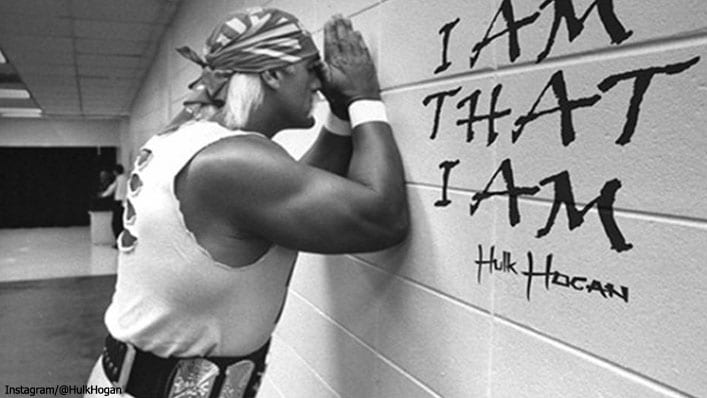
“In three short months, just like He did with the plagues of Egypt, God has taken away everything we worship,” wrote Hogan in the post he shared, featuring a picture of him praying against a wall.

The retired pro-wrestler then listed off all of the false gods we’ve chosen to bow down to in place of the one true Lord of lords and King of kings, Jesus Christ:

“God said, ‘you want to worship athletes, I will shut down the stadiums.

You want to worship musicians, I will shut down Civic Centers.

You want to worship actors, I will shut down theaters.

You want to worship money, I will shut down the economy and collapse the stock market.

You don’t want to go to church and worship Me, I will make it where you can’t go to church.'”

Hogan referenced 2 Chronicles 7:13-14, a scripture he had pointed to in an Instagram post earlier that week, to illustrate God’s promise of healing the land of those who repent and turn to him:

“Whenever I hold back the rain or send locusts to eat up the crops or send an epidemic on my people, if they pray to me and repent and turn away from the evil they have been doing, then I will hear them in heaven, forgive their sins, and make their land prosperous again.” (2 Chronicles 7:13-14)

Hogan emphasized that a vaccine alone won’t save us, but rather, we need to utilize this time to get alone with God and focus on our relationship with our Savior.

“Maybe we don’t need a vaccine,” the 66-year-old wrote in concluding his post. “Maybe we need to take this time of isolation from the distractions of the world and have a personal revival where we focus on the ONLY thing in the world that really matters. Jesus.”

10 Things I Wish I Could Tell My Younger Self for a Happier Future

0

As we grow older, life has a way of teaching us invaluable lessons—often through experience, mistakes, and triumphs. Looking back, I wish I could tell my younger self what was truly important. There are always things we wish we had known sooner, especially in those pivotal moments when we were younger and more impressionable. Hindsight is always 20/20, but the wisdom we gain along the way can offer guidance for our future selves and those following in our footsteps.

In this article, I’m going to share 10 important life lessons I wish I could tell my younger self. These lessons not only foster a happier future but also encourage personal growth, resilience, and a deeper sense of self-worth.

I Wish I Could Tell My Younger Self: The Wisdom of Experience

Youth is often filled with uncertainty, self-doubt, and a search for identity. If I could go back in time, there are several truths I’d share with my younger self to ease the journey ahead. Below are the 10 things I wish I could tell my younger self to pave the way for a more joyful and fulfilling future.

1. It’s Okay to Not Have Everything Figured Out

One of the greatest pressures I felt when I was younger was the need to have everything mapped out. From career choices to personal relationships, I believed I needed a clear and definitive plan for the future. Looking back, I now know that life is full of unexpected twists and turns, and it’s perfectly okay not to have all the answers.

RELATED: How Could This Happen to Me? Navigating Through Life’s Unexpected Turns

Life unfolds in its own time, and the best thing you can do is embrace the unknown with curiosity. You don’t need to have everything figured out—just keep moving forward, and the path will reveal itself as you go.

2. Failure is a Stepping Stone, Not a Dead End

I wish I could tell my younger self that failure is not something to fear or avoid. In fact, failure is an inevitable part of growth and success. Every setback you face teaches you something valuable, whether it’s about yourself, your abilities, or the world around you.

Instead of viewing failure as a reflection of your worth, see it as an opportunity to learn and improve. The most successful people have often experienced the most failures, but they didn’t give up—they kept pushing forward.

3. Don’t Compare Your Journey to Others

Growing up, it was easy to compare myself to others—whether it was friends, classmates, or people I saw on social media. I wish I could tell my younger self that comparison is the thief of joy. Everyone’s journey is unique (Psalm 139:13-16), and what works for someone else might not be what’s right for you.

Focus on your own progress and trust that your path is leading you exactly where you’re meant to go. Comparing yourself to others only breeds unnecessary stress and self-doubt.

4. Take Care of Your Mental Health Early On

Mental health wasn’t something I prioritized when I was younger, but now I realize how crucial it is for long-term happiness. I wish I could tell my younger self to start taking care of mental health as early as possible—whether through therapy, mindfulness, or simply talking about emotions.

Life’s challenges are easier to face when you have the tools to manage stress, anxiety, and emotional well-being. Prioritize your mental health just as much as your physical health—it will pay off in the long run.

5. Learn to Embrace Change

Change can be scary, especially when you’re young and everything seems so uncertain. I wish I could tell my younger self that change is not something to fear but rather something to embrace. Life is constantly evolving, and with every change comes new opportunities for growth and discovery.

Instead of resisting change, welcome it with open arms. The sooner you learn to adapt and go with the flow, the more resilient and flexible you’ll become, making it easier to navigate life’s inevitable transitions.

Daughter Calls Mom “Fat” at the Pool—Mom’s Viral Response Has the Internet Roaring in Applause

0

For most women who head off to college for the first time, there’s always a fear of that “freshman 15.” The early stages of adulthood, and being away from home for the first time, means navigating what to eat, when to eat it and how to balance cafeteria food with an apple every now and again. Now, she’s a proud thick BBW mom (that is… big beautiful woman).

This Mom — Now a Thick BBW Mom — Was Thinner in College

Instagram

For Allison Kimmel, college was hyper-focused on her body.

“For quite a while I felt completely disconnected from the entire college experience,” she writes in an Instagram post. “There weren’t many things I could control so I began to focus on obsessing about my body. I didn’t realize at the time, but I was in the beginning stages of my body dysmorphia, disordered eating and excessive working out. I was so insecure and I allowed my belief that I wasn’t good enough to hold me back from SO MANY opportunities in my young adult life.”

Allison says she spent the next 10 years gaining and losing hundreds of pounds. She fluctuated up and down from a size 4 to a size 18 and suffered through the roller coaster cycle of never being able to love her body for what it was.

Until now.

Instagram

About a year ago, Allison started an Instagram account to start the conversation about body diversity and self-love. She says it was her way of chronicling her journey, and healing her 15-year-old-self from the negative path of destruction she’d spent a decade on.

“I struggled for so long to fit it and feel love, only to find at the age of 30 that it was within me all along if I had just allowed myself to feel it. I knew that I didn’t want anyone else to waste another single second being at war with themselves and so I took to Instagram to attempt to free women with daily inspiration.”

Her account has helped thousands of women to know they are not alone in their body-battles.

Instagram

She recently shared a conversation with her children that quickly went viral because her daughter called her fat. Allison’s response has moms everywhere applauding her for the way she handled the otherwise-devastating blow:

“My daughter called me fat today,” she writes.

Instagram

“She was upset I made them get out of the pool and she told her brother that mama is fat.

I told her to meet me upstairs so we could chat.

Me: “what did you say about me?”

Her: “I said you were fat, mama, i’m sorry”

Me: “let’s talk about it. The truth is, I am not fat. No one IS fat. It’s not something you can BE. But I do HAVE fat. We ALL have fat. It protects our muscles and our bones and keeps our bodies going by providing us energy. Do you have fat?”

Her: “yes! I have some here on my tummy”

Me: “that’s right! So do I and so does your brother!”

Her brother: “I don’t have any fat, I’m the skinniest, I just have muscles”

Me: “actually everyone, every single person in the world has fat. But each of us has different amounts.”

Her brother: ” oh right! I have some to protect my big muscles! But you have more than me”

Me: “Yes, that’s true. Some people have a lot, and others don’t have very much. But that doesn’t mean that one person is better than the other, do you both understand?

Both: “yes, mama”

Me: “so can you repeat what I said”

Them: “yes! I shouldn’t say someone is fat because you can’t be just fat, but everyone HAS fat and it’s okay to have different fat”

Me: “exactly right!”

Them: “can we go back to the pool now?”

Me: “no”

Instagram

Allison says it is up to her to teach her kids about self-love and body image.

“Each moment these topics come up, I have to choose how I’m going to handle them. Fat is not a bad word in our house. If I shame my children for saying it then I am proving that it is an insulting word and I continue the stigma that being fat is unworthy, gross, comical and undesirable.”

Instagram

She continues:

“Since we don’t call people fat as an insult in my household, I have to assume she internalized this idea from somewhere or someone else.

Our children are fed ideas from every angle, you have to understand that that WILL happen: at a friend’s house whose parents have different values, watching a tv show or movie, overhearing someone at school- ideas about body image are already filtering through their minds.

It is our job to continue to be the loudest, most accepting, positive and CONSISTENT voice they hear. So that it can rise above the rest.

Just do you!”

Allie has recently joined up with plus-size-body-positive illustrator “Full of Freckles” to collaborate on a series of children’s books focused on body-confidence and self-love.

Instagram

The 30-year-old mom is proud of her body, the incredible babies it created, and the way her story has touched the lives of so many others.

Cheers to you, Allie! You are a beautiful mama, and you’re teaching those babes wonderful lessons about being the perfect version of who God created them to be.

You Can Do Hard Things: Practical Tips for Facing Life’s Toughest Moments

0

Life is full of challenges—some we see coming, and others that blindside us when we least expect them. From personal struggles like grief and loss to external pressures such as career setbacks or relationship issues, everyone faces difficult moments that test their strength and resilience. During these times, it’s easy to feel overwhelmed, defeated, and unsure of how to move forward. However, it’s important to remember one truth: you can do hard things.

No matter what life throws your way, you have the strength, courage, and perseverance to overcome it. In this article, we will explore practical tips for facing life’s toughest moments, using the principle that “you can do hard things” as a guide to help you build resilience, manage stress, and ultimately, come out stronger on the other side.

You Can Do Hard Things: Building Resilience in Tough Times

Resilience—the ability to bounce back from adversity—is not something you’re born with; it’s a skill that can be developed over time. When faced with hard things, your resilience is what keeps you moving forward, even when everything feels like it’s falling apart. By cultivating resilience, you strengthen your ability to confront life’s challenges head-on, knowing that you are capable of handling whatever comes your way (Philippians 4:13).

Here are some practical tips to help you build resilience and face hard things with confidence:

1. Break it Down Into Manageable Steps

One of the most overwhelming aspects of facing a tough situation is the feeling that it’s too big to handle. Whether it’s a career setback, financial hardship, or personal crisis, the enormity of the challenge can make it seem impossible to tackle. That’s where breaking it down into manageable steps comes in.

Instead of trying to solve everything at once, break the problem down into smaller, actionable steps. Ask yourself, “What’s the first thing I can do?” Start small and build from there. Every little action brings you closer to overcoming the challenge, and as you make progress, the situation will feel less daunting.

Key Tip: Focus on what you can control. Sometimes, hard things involve factors outside of your control. By concentrating on the aspects you can influence, you empower yourself to take action and move forward.

2. Lean on Your Support System

When facing life’s toughest moments, it’s easy to retreat into isolation, but doing hard things doesn’t mean you have to do them alone. Reaching out to friends, family, or trusted mentors can provide you with much-needed emotional support, practical advice, and encouragement.

RELATED: ‘‘Check on Your Strong Friends. They’re Faking It.’

Your support system serves as a reminder that you are not in this fight alone. Whether it’s someone who can listen to you vent, offer advice, or simply be there to remind you of your own strength, having people you can rely on makes a world of difference during tough times.

Key Tip: Don’t be afraid to ask for help. Sometimes, the hardest part of facing a challenge is admitting that you need assistance. Asking for help is a sign of strength, not weakness.

3. Focus on Growth, Not Perfection

When you’re going through a difficult time, it’s easy to fall into the trap of perfectionism, feeling like you have to “fix” everything perfectly or have the ideal response to every challenge. However, perfection is an impossible standard. Instead of aiming for flawlessness, focus on growth and learning.

Hard moments in life are often where we grow the most. Ask yourself, “What can I learn from this situation? How can this make me stronger or wiser?” Shifting your mindset from one of perfection to one of growth helps you navigate challenges with greater flexibility and grace.

Key Tip: Celebrate small victories. Every step you take, no matter how small, is a sign of progress. Acknowledge and appreciate your efforts along the way.

4. Practice Self-Compassion

It’s easy to be hard on yourself when you’re facing tough times. You might feel like you should be handling things better, moving faster, or doing more. However, self-criticism only adds to the stress and pressure of an already difficult situation. Instead, practice self-compassion—being kind to yourself in moments of struggle.

Remind yourself that it’s okay to not have everything figured out right away. You are doing the best you can under challenging circumstances, and that’s enough. Treat yourself with the same kindness and understanding that you would offer a friend who was going through a tough time.

Key Tip: Incorporate positive self-talk into your daily routine. Replace critical thoughts like “I can’t do this” with affirmations like “I am strong, and I will get through this.” Over time, this will help you build greater mental resilience.

10 Inspiring Figures Who Transformed Disabilities into Triumphs

0

Disability does not define a person; rather, it is one aspect of the myriad traits that contribute to their unique identity. Across history and into the modern era, numerous celebrities with disabilities have risen above challenges to leave indelible marks on the world. Their stories are not just about overcoming limitations but also about breaking societal barriers, making significant contributions to their fields, and inspiring others. Below we’ll look at some extraordinary individuals and their remarkable achievements.

Celebrating the Remarkable Lives of 10 Celebrities With Disabilities

1. Stephen Hawking – Theoretical Physicist and Cosmologist

Stephen Hawking, diagnosed with amyotrophic lateral sclerosis (ALS) at the age of 21, was one of the most celebrated scientists of the modern era. Despite the progression of his disability, which eventually required him to use a wheelchair and communicate through a speech-generating device, Hawking made profound contributions to our understanding of black holes and the origins of the universe. His best-selling book, A Brief History of Time, has made complex scientific concepts accessible to millions of readers worldwide.

2. Frida Kahlo – Painter

Frida Kahlo, one of Mexico’s most famous painters, turned her personal pain into art. Having contracted polio as a child and later suffering from severe injuries from a bus accident, Kahlo spent long periods in bed in immense pain. Yet, she transformed these experiences into vibrant, poignant paintings that often incorporated themes of suffering and identity, influencing not just the art world but also global culture at large.

3. Stevie Wonder – Musician and Singer-Songwriter

Stevie Wonder, blind since shortly after birth, emerged as one of the most creative musical performers of the late 20th century. Wonder signed with Motown’s Tamla label at the age of 11 and has since had over 30 U.S. top ten hits, including classics like “Superstition,” “Sir Duke,” and “I Just Called to Say I Love You.” His work has earned him 25 Grammy Awards, making him one of the most awarded male solo artists.

4. Helen Keller – Author, Activist, and Lecturer

Helen Keller, who was both deaf and blind from a young age, is a testament to the power of effective communication and education. With the help of her teacher, Anne Sullivan, Keller learned to read and write, eventually graduating from college with honors. She became a prolific author, political activist, and lecturer, advocating for the rights of those with disabilities, women’s suffrage, and many other important causes.

5. Marlee Matlin – Actress

Marlee Matlin lost all hearing in her right ear and 80% in her left ear at the age of 18 months due to illnesses and high fevers. Despite these challenges, Matlin became an accomplished actress and the youngest recipient of the Best Actress Oscar at the age of 21 for her debut film role in Children of a Lesser God. Since then, she has been a prominent figure in the entertainment industry, using her platform to advocate for the deaf community.

10 Inspiring Quotes to Help You Grow Through What You Go Through

0

Life is a journey filled with ups and downs, triumphs and challenges. Every experience, whether good or bad, contributes to our personal growth. When times get tough, it’s easy to feel overwhelmed and discouraged, but it’s often in these moments of struggle that we find our greatest strength. The idea of “grow through what you go through” is a powerful reminder that every challenge presents an opportunity to learn, evolve, and become a stronger version of ourselves.

This concept encourages resilience, patience, and faith in the process of life. It reminds us that pain, setbacks, and obstacles are temporary, but the lessons we gain from them are everlasting. To inspire you on your journey, here are 10 powerful quotes that will help you grow through what you go through.

What Does It Mean to Grow Through What You Go Through?

The phrase “grow through what you go through” is about finding meaning and personal development in life’s hardships. It means recognizing that challenges and difficulties are not just unfortunate occurrences, but essential experiences that help shape who we are. Growth is not just about overcoming challenges but understanding and embracing the lessons they bring.

When you “grow through what you go through,” you transform adversity into an opportunity for self-improvement. This mindset fosters resilience, as it encourages you to look for the positive and focus on how you can evolve rather than simply survive difficult times.

1. “Every adversity, every failure, every heartache carries with it the seed of an equal or greater benefit.” – Napoleon Hill

Napoleon Hill, the author of Think and Grow Rich, is known for his teachings on success and resilience. This quote reflects the essence of growing through adversity. It suggests that even in the darkest of times, there is potential for personal gain and growth if we are open to finding it. Whether it’s a new perspective, greater empathy, or renewed strength, adversity often plants the seeds for something greater.

2. “The only way out is through.” – Robert Frost

Robert Frost’s famous quote speaks to the necessity of facing challenges head-on. It’s not about avoiding difficulties or pretending they don’t exist. Instead, it’s about acknowledging them, enduring them, and emerging stronger on the other side. Growth requires persistence and the courage to keep going, even when the journey feels impossible.

RELATED: How Could This Happen to Me? Navigating Through Life’s Unexpected Turns

3. “Turn your wounds into wisdom.” – Oprah Winfrey

Oprah Winfrey, a symbol of personal triumph and resilience, reminds us that pain can be one of our greatest teachers. Instead of allowing wounds to define or limit us, we can choose to extract wisdom from them. When we learn from our hurts and disappointments, we empower ourselves to grow in ways we never thought possible (Ephesians 3:20).

4. “Out of difficulties grow miracles.” – Jean de La Bruyère

This quote by Jean de La Bruyère highlights the transformative power of hardship. Often, what seems insurmountable in the moment can give rise to something beautiful and unexpected. Difficulties push us to dig deeper, tap into our inner strength, and ultimately achieve things we might not have thought were possible.

5. “Challenges are what make life interesting; overcoming them is what makes life meaningful.” – Joshua J. Marine

Joshua J. Marine’s words remind us that challenges are an integral part of life. Without them, life would be monotonous and devoid of growth. It’s in overcoming difficulties that we find purpose and fulfillment. Each challenge presents an opportunity to learn, to grow, and to become a better version of ourselves.

“Now You’re a Holy Roller? You’re Ruining My Life”: ‘Duck Dynasty’ Star Miss Kay on Phil Robertson’s Dramatic Conversion to Christianity

0

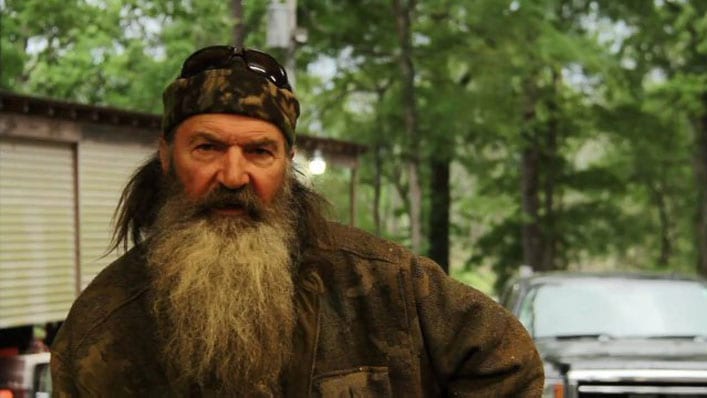
Phil Robertson and Miss Kay Young are two of the most beloved members of the Robertson family, with the two notably sparking laughs and comical moments throughout 11 seasons of “Duck Dynasty.”

Phil Robertson and Miss Kay Young Share More of Their Troubled Beginnings

The Robertsons quickly became a household name when their A&E show turned mega-popular after its 2012 launch, with the family’s authentic faith instantaneously attracting a devoted fanbase.

READ ALSO: ‘I Wanted to Die’: Woman’s Overcomer Story Will Leave You in Tears

But while the show was lighthearted and fun and shed light on the importance of faith and family, the Robertsons’ early years were anything but picturesque.

Miss Kay and Phil have both openly revealed the struggles they faced early on in their marriage, with Phil’s alcohol use and infidelity inflicting intense pain on the family.

And in the finale of PureFlix.com’s “Restored With Missy Robertson,” Miss Kay dove deep into these difficulties, sharing raw and emotional details surrounding Phil’s conversion to Christianity — a move that changed absolutely everything for him and the family.

Watch the powerful story:

“My husband Phil … his first time he said he came to the Lord, I think he really didn’t,” she said. “He was very young and he just didn’t understand it.”

READ ALSO: ‘Duck Dynasty’ Stars’ Powerful Lesson About Faith and Radical Recovery 

She said things really started to go off-the-rails in Phil’s life when he went to college. Then, when she got pregnant, he wouldn’t go to church with her — and things started getting more complicated.

“That was the beginning of the downfall of Phil,” Miss Kay explained. “When the devil moved in and he started changing.”

She said she never saw the problems coming, but that, once the situation turned downhill, it just kept worsening. Eventually, Miss Kay realized that infidelity had also come into play.

“I had to know that he was unfaithful, because I wasn’t that stupid,” she said, noting that she had justification for leaving the marriage, but that she wanted to stay and fight. “I had an out. I didn’t want an out.”

Over time, though, Phil’s alcohol use took a toll on the young family, which included sons Jase, Willie and Jep. Miss Kay shared one shocking story about a Thanksgiving celebration when Phil got angry and it turned physical.

READ ALSO: ‘Duck Dynasty’ Stars’ Powerful Quotes About Jesus & Faith

“He threw the whole dinner on the floor … because I was fussing at him about drinking and not coming home for dinner,” she said. “He just left drunk.”

Their kids were young at the time, with the oldest, Alan, stepping up to try and help his mother cope with all that was unfolding; in that instance, he shielded his younger brothers from seeing the chaos.

Miss Kay eventually became a Christian, but the situation still didn’t improve. In fact, it worsened further, with Phil disliking her recent embrace of faith.

“He said, ‘I can’t stand it. Now you’re a holy roller?'” she recalled, noting that he added, “You’re ruining my life.”

Miss Kay found an apartment with the kids and the couple lived separately for three months — until something truly unexpected happened.

Phil showed up at Miss Kay’s workplace one day, and he was desperate, proclaiming that he missed his family and wanted to make a change in his life.

“I can’t do this anymore. I can’t live without my family,” he told her. “I miss you all. I’m going to quit drinking.”

But Miss Kay was skeptical, as Phil had made this pledge before, but to no avail.

This time seemed different, though, with Phil taking steps to meet with a pastor and truly begin hearing what it means to trust in God. One night, Phil finally made the decision to change his life — one that unfolded right in front of Miss Kay and their boys.

“When [the boys and I] walked in the back of the church, [Phil] was up front and my boys were just standing there,” Miss Kay said, explaining what unfolded the night Phil became a Christian. “As we walked in, he said, ‘I want Jesus to be the Lord of my life. I want to repent of all the bad stuff,’ and he said, ‘And I want you to baptize me.'”

It was a transformational moment not only for Phil and Miss Kay, but for their children — and it set the family on course to become the famed Robertsons America knows and loves today.

“I looked at all the boys with just little tears … Jason’s comment was, ‘Mama, is the devil out of daddy now?'” Miss Kay said. “I said, ‘Yup, Jesus Christ is in your dad. And so that is the story of us.'”

And what a powerful story, indeed.

Watch the entire “Restored With Missy Robertson” series right now on PureFlix.com to see what the Robertsons are up to after “Duck Dynasty” and explore some truly powerful stories centered on faith and radical recovery.

This article was originally published on Pure Flix Insider. Visit Pure Flix for access to thousands of faith and family-friendly movies and TV shows. You can get a free trial here.

25 Heartfelt Merry Christmas Wishes to Share with Loved Ones

0

Christmas is a time for love, joy, and celebration. It’s a season to gather with friends and family, exchange gifts, and share warm sentiments that reflect the spirit of the holiday. As we decorate our homes, prepare festive meals, and exchange presents, we also take the time to send Merry Christmas wishes to those who hold a special place in our hearts. A simple, heartfelt message can remind our loved ones how much they mean to us, making the holiday even more meaningful.

Whether you are looking to send a traditional Christmas greeting or something more creative and personal, here are 25 heartfelt Merry Christmas wishes to share with loved ones that will bring a smile to their faces and warmth to their hearts.

The Importance of Sending Merry Christmas Wishes

Christmas is more than just a holiday; it’s a time to reflect on the year, show appreciation for those who have been there for us, and spread joy. Sending Merry Christmas wishes is a beautiful way to express your love and gratitude for friends and family. It’s a thoughtful gesture that can make someone’s day brighter and remind them that they are cherished.

A simple “Merry Christmas” wish can carry a lot of meaning. It’s not just about saying “Happy Holidays” but about sending love, hope, and goodwill to those you care about. Personalized messages that touch on shared memories, future hopes, or heartfelt gratitude can make your Christmas greetings even more special.

Merry Christmas Wishes for Family

Family is at the heart of Christmas celebrations. The festive season is a time to come together, create lasting memories, and share in the joy of giving and receiving.

RELATED: 10 Family Christmas Movies to Watch Over Christmas Break

Here are some Merry Christmas wishes you can send to family members to show them how much they mean to you:

  1. “Wishing you all the love, happiness, and peace this Christmas season. Thank you for being such an amazing family. Merry Christmas!”This message conveys gratitude and appreciation for the love and support your family provides throughout the year.
  2. “May your holiday season be filled with laughter, warmth, and love. Merry Christmas to the best family ever!”A lighthearted and joyful wish, perfect for close-knit families who enjoy spending time together.
  3. “Merry Christmas to my wonderful family. May we continue to create beautiful memories and enjoy this special time together for many years to come.”This message reflects on the importance of family traditions and the hope of many more to come.
  4. “As we celebrate this beautiful season, I want to remind you how much you mean to me. Merry Christmas and a Happy New Year, dear family!”This greeting is a loving reminder of the strong family bonds that endure beyond the holiday season.
  5. “Christmas is extra special because of the love and joy we share as a family. Wishing you all a Merry Christmas full of happiness and cheer.”This is a heartwarming message that highlights the joy of spending Christmas with loved ones.

Merry Christmas Wishes for Friends

Friends play a vital role in our lives, offering support, love, and laughter. Christmas is the perfect time to show your appreciation for your friends with a thoughtful message. Here are some Merry Christmas wishes you can share with them:

  1. “May this Christmas bring you peace, love, and endless joy. Thank you for being such a wonderful friend. Merry Christmas!”This message is perfect for expressing your gratitude for your friendship (Proverbs 27:9).
  2. “Wishing you all the best this Christmas season. May your holidays be filled with love, laughter, and happiness. Merry Christmas, my dear friend!”A cheerful wish that expresses the hope for a joyful holiday season.
  3. “Merry Christmas to a friend who makes every day brighter. May your Christmas be filled with light, love, and laughter!”This message acknowledges the positivity and happiness your friend brings into your life.
  4. “Sending you warm wishes this holiday season. I hope you have a Merry Christmas and a New Year full of blessings and joy.”A perfect balance of holiday cheer and good wishes for the year ahead.
  5. “You’ve been such an important part of my life this year, and I’m so grateful for your friendship. Merry Christmas and Happy Holidays!”This wish focuses on reflecting on the value of friendship and expressing appreciation.

Airline Dispute: Woman Said She Wasn’t Allowed to Board Plane for ‘Misgendering’ a Flight Attendant, United Tells Different Story

0

Jenna Longoria was planning to travel from San Francisco, California, to Austin, Texas, with her mom and 16-month-old son. But, the trio was not allowed to board the plane. Longoria claimed that it was because she “didn’t use the right pronoun” when referring to a flight attendant. United Airlines, however, told a very different reason—having nothing to do with misgendering.

“When the captain denies you, it’s the end of the story,” an attendant said, according to PEOPLE.

Airline Disputes Woman’s Claim That She Was ‘Forbidden’ to Board for ‘Misgendering’ Flight Attendant

Traveling with small children is challenging at best. There are extra items to carry to meet the child’s needs in the airport and on the flight. Longoria, her mom, and her 16-month-old son were flying back to Texas when their plans abruptly changed.

RELATED: You Decide: Genius Airplane Travel Hack or Annoying Trick?

Longoria shared her story in a series of posts and videos on her Instagram account. The posts have since been taken down from Instagram. But, they were also posted on Live and Let’s Fly’s YouTube account.

After carrying the 25-pound child, Longoria requested boarding priority, a common practice for those traveling with small children. “They denied us boarding priority,” she shared. “And now they’re about to deny us to board the plane.”

“The flight attendant has denied access to us because he said that I made a derogatory comment about one of the flight attendants, because I didn’t use their right pronoun,” Longoria said in the first video. “Now they are forbidding us to get on the plane.”

Longoria asked an attendant the reason the three weren’t allowed to board the plane and posted another video of the conversation. The attendant said, When the captain denies you, it’s the end of the story.”

The attendant explained that they were not allowed to board for “what came out of your mouth.” She also said she was “fact-finding” and gathering statements from her crews and attendants.

Longoria asked about the family’s luggage as it contained medication for both her and her son. The attendant said that the plane had already “dispatched,” so the family needed to find another medication source.

PEOPLE reached out to United Airlines asking for a statement of what happened that day. The airline, instead, said the group wasn’t allowed to board because they had too many carry-on bags.

“A party of three traveling out of San Francisco today was not allowed to board following a discussion about having too many carry-on items,” the airline statement read. “The matter was resolved and the customers took a later United flight to finish their trip.”

United, like other airlines, has specific policies for carry-on items brought onto the aircraft. Each ticketed passenger is allowed “one carry-on bag and one personal item” at no additional charge on most domestic and international flights. The airline policies also include size parameters and considerations for “special items” that all passengers are made aware of and are required to follow.
In a third video, Longoria reiterated much of her story and continued to claim that the incident surrounded a conversation—not a carry-on luggage issue.
“I will tell you what happened right now,” she says. “I was speaking to one of the flight attendants and got their pronouns wrong. The other flight attendant didn’t like it. I said, ‘I’m really sorry, “they.”’ I’m not very versed with pronouns.”
Her son was having a “temper tantrum.” She wasn’t paying close attention to the conversation—just focused on “getting him comfortable and safe.”