Exclusive Content:

33 Bible Verses About Faith, Hope, and Trust to Use in Prayer During Hard Times

May these Bible verses about faith in hard times be what you need to be lifted up whether you find yourself in the depths of a valley or atop a mountain in this cycle of life today!

90 Bible Verses to Remind You That God’s Love Is Unconditional

Let these Bible verses remind you that God's love is unconditional. And, don't forget love one another just like God first loved us.

Boy Crawls into Stranger’s Arms at Football Game— His Aunt Hunts Her Down With Powerful Facebook Post

"I don’t know who this lady is... she waved at him and he made his way up to her. I thought their interaction would be the same as last time but I was wrong. "
Home Blog Page 49

The Best Marriage Advice I Ever Received Was to Stand on a Chair—22 Yrs Later, Here’s Why I Haven’t Stopped

0

By Alicia Bruxvoort

“Celebrate always, pray constantly, and give thanks to God no matter what circumstances you find yourself in. (This is God’s will for all of you in Jesus the Anointed.)” 1 Thessalonians 5:16-18 (VOICE)

The best marriage advice I ever received was to stand on a chair and clap.

I was 20 years old with a sparkling ring on my finger and shimmering dreams in my heart. And I was certain my upcoming wedding marked the beginning of my own happily ever after.

I’d made it a habit during my engagement to meet frequently with my mentor about love and life and marriage. We’d huddle together in the back corner of the Student Union, chatting about the challenges of two selfish people becoming one. We’d discussed intimacy and affinity, fighting fairly and forgiving.

And we prayed. Oh, how we prayed over the marriage that would soon change my name and my life.

Then, one afternoon, I asked, “What’s your best advice for a happy marriage?” My mentor cupped her coffee mug and paused. Suddenly, she smiled and looked me straight in the eye.

“Be your husband’s greatest fan,” she said. “Find something to celebrate every day, then stand on a chair and cheer out loud for your man.”

She swallowed a giggle and glanced at her own wedding ring. “It may sound silly,” she conceded, “but it’s worked for us.”

I laughed and promised to refine my cheerleading skills. And, for a while, I kept my word.

As a newlywed, I stood on a battered old kitchen chair in our tiny white-walled apartment and applauded my man with gusto. I cheered when he landed a job delivering pizzas, when he made omelets for breakfast and when he hauled home baskets of clean clothes from the laundromat. I cheered when he passed his school exams and when he fixed our leaky faucet.

But I wasn’t the only cheerleader in our little family.

My husband climbed on chairs, too. He applauded when I made a batch of un-burnt brownies. He cheered when I survived my first day of student teaching. And he whooped and hollered when I got my first article published in the local newspaper. My man rooted for me when the rest of the world seemed silent, and his cheers drowned out my own internal critic’s noisy clanging.

Time passed, seasons changed and eventually those hands that had clapped with unabashed abandon became filled with babies, bills, diapers and the daily grind. And one morning, five kids and 10 years after I’d promised to be my husband’s greatest fan, I awoke to the hopeless hush of a weary heart.

I watched a sweet older couple strolling hand-in-hand through the park as I sat in the sandbox with my little ones, and wondered how anyone could keep love’s flame alight for a lifetime. I was only a decade into marriage and some days, I felt like the spark in my heart was waning dim.

That night, while my husband worked late, I complained to the Lord about the sorry state of my marriage. As the moonlight cast silver shadows on the dirty living room floor, God whispered, “When was the last time you cheered for your husband?”

I’d rooted for my son when he’d caught a fly ball at his baseball game. I’d clapped for my daughter when she’d made it across the monkey bars. And I’d cheered for my toddler when he’d eaten all of his peas.

But I couldn’t remember the last time I’d applauded my husband for anything.

The image of a beat-up kitchen chair flashed through my mind, and hot tears filled my tired eyes. I dropped to my knees with a tidal wave of conviction flooding my heart and an earnest prayer spilling from my lips, “Dear Jesus, show me how to become my husband’s greatest fan once again.”

In today’s key verses, the Apostle Paul doesn’t mention standing on chairs or clapping our hands, but he does command us to celebrate always

Not just when we feel like it. Always.

This kind of celebration isn’t a well-planned party or inspired whimsy; this kind of celebration is a choice. It’s a deliberate barrage against ingratitude, a calculated attack on apathy.

To celebrate our spouse always means looking for what’s right rather than bemoaning what’s wrong. We focus on hope rather than wallow in disappointment; we acknowledge extraordinary grace in life’s ordinary grit.

To celebrate always is a daily decision to fan the flames of love in every season of the soul…’til death do us part.

Standing on furniture and clapping loudly is optional, but rejoicing in good times and bad is not. Of course, if I were you, I’d practice a few spunky moves when nobody’s looking.

’Cause after 22 years of sacred matrimony, I’ve learned that cheerleading may be hard on my kitchen chairs, but it’s good for my marriage!

Dear God, I want to be my husband’s greatest fan. Grow in me a grateful heart and teach me how to celebrate my marriage in all circumstances. In Jesus’ Name, Amen.

About the Author: Alicia Bruxvoort is a writer, speaker and abundant life seeker who is passionate about helping women discover abundant life in Christ right where they are. A member of the Proverbs 31 Ministries writing team and a contributing author for The M.O.M. Initiative, Alicia’s devotional writing inspires women across the globe. While she loves telling a good story, Alicia’s favorite tale is the one she lives daily in Holland, MI, with her five crazy kids and her husband of twenty-three years. Get to know Alicia at her online home, The Overflow or on Twitter or Facebook.
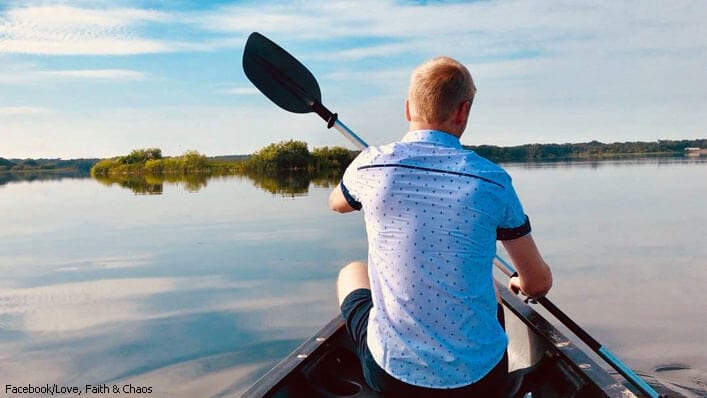
When Your Son Is 18: “It Will Make You Smile & Cry at the Same Time”

Moms always say that the years they have with their little ones fly by way too fast. It seems like one minute you’re changing diapers, and the next, you’re watching your man-child drive off to college.

As Love, Faith & Chaos blogger Heather Duckworth has experienced firsthand, 18 is a hard year — but it can also be totally bittersweet.

In a Facebook post entitled “WHEN YOUR SON IS 18,” Heather pours her heart about the year that turns your boy into a man, and the sweeping mix of emotions that follow:

“WHEN YOUR SON IS 18

When you become a mom, the years all of a sudden start flying by. At lightspeed. You try hard to slow down time, but no matter how hard you try, you can’t figure out the magic potion to freeze time.

And because of this, one day you look up and instead of seeing your sweet little boy you find yourself looking up . . . way up . . . into the eyes of your son who is now a full-grown man. Just turned 18. An adult in the eyes of the world, yet still just a boy in the eyes of his mom.

We raise these tiny babies into adults and they need us less and less the bigger they get. Yet at the same time, I am realizing that no matter how old they get, they will always need their mom. And no matter how big they get, we will always be here for them. But one thing for sure . . . I never expected 18 years to pass so quickly!

When your son is 18, he likes to think he is all grown-up until you remind him you still pay his rent. And his phone bill.

When he is 18, he will do his own laundry, but will still ask you how to fold a shirt.

When he is 18, he will sleep till noon — if you let him!

When he is 18, he will still give you the best bear hugs and you will always hold onto him just a little longer . . . savoring that moment.

When he is 18, laughing together over funny memes and YouTube videos will be some of the best of times.

When he is 18, you will worry about his future. A lot.

When your son is 18, he will occasionally melt your heart with a text that simply says, “Love you!”

When he is 18, you will still need to remind him to clean his room . . . and throw away the 20 empty water bottles that reside there.

When he is 18, you will find yourself praying for his safety every time you watch him get in the car and drive away.

When your son is 18, you will be lucky if he answers your text. But if he does, it will only be one word. And although you are grateful for that one word, you are still a little ticked off that he couldn’t take the time to say more.

When he is 18, he will still take your breath away when you watch him across the room.

When he is 18, he will NEVER want to listen to your advice.

When he is 18, he might be dating — and you will find yourself wondering how this is possible that you have a child old enough to date?? And then you remember dating when you were his age and it makes you worry even more.

When he is 18, there will never be any food in the house, even though you spend $300 a week on groceries.

When he is 18, he will think he knows it all. Insert eye-roll.

When he is 18, you will watch him get excited about something and it will remind you of when he was little. You will see the little boy that he was in the twinkle in his eye and the grin on his face and it will make you smile and cry at the same time.

When your son is 18, sometimes he will still leave stinky gym clothes on the floor, shoes by the front door and dishes in the sink. You will complain about it yet also know in the back of your mind that these are the very things you will miss one day when he is gone.

When he is 18, he will drive you crazy some days and you will wonder if you have done a good enough job being his mother. Have you taught him enough to live on his own?

When he is 18, he will absolutely break your heart when he walks out that door to leave for college. And instead of seeing the man that he is . . . you will see the little boy that he was walking away and taking a piece of your heart with him.

18.

It is a year of change . . . growing up, moving on and spreading those wings. But one thing for sure will never change and that is how much we love these young adults. How even though our hearts shatter with them leaving, it expands with more love and pride than ever before. Because we did it. We survived 18 years when some days we didn’t think we would. And we raised these tiny humans into big, beautiful adults who make us so very proud because we know they are going to do great things in this life.

When your son is 18, you realize what a privilege it is to be his mom and how you have loved watching him grow up. And although your heart is sad, it is also very excited for what is to come. But most of all, you fall to your knees and thank God for trusting you with this amazing gift . . . knowing all along that your job is to one day let him go and watch him soar!

Isaiah 40:31

xoxo,
❤️Heather Duckworth
Love, Faith & Chaos

If Heather’s post touched your heart, be sure to SHARE it with the boy moms in your life today! 

Don’t Marry the Guy Who Tells You You’re Pretty With No Make-Up— Marry This Guy Instead

In five years it won’t matter if he was cute.

It won’t matter if he was well-dressed, if he said all the right words, if he was funny or trendy or cool.

The pictures won’t matter. The “likes,” the status, the #relationshipgoals achieved—they’ll just be ripples on the surface of a newfound depth.

There is so much relationship advice out there and I’m just one voice among millions, but if I could tell you one thing, dear girl, it’s this:

MARRY THE MAN WHO STAYS.

Anybody can tell you you’re pretty in yoga pants, no make-up, and a messy bun. You need the rarer kind; the kind who sticks through the messy of your soul.

He’s often overlooked, this man. You won’t find a microphone in his hand or a stage beneath his feet. He may not lead the Bible study or share profound insights into the Word. Instead, his hands do the work unnoticed, and he stands quietly in the background. He leads by serving. But he lives profoundly.

If you move too fast you might miss him. If you’re captivated by the spotlight you won’t see him in the shadows. If you’re looking for a “type” you might never notice he is there.

But he is.

We’re trained to look for the movers and shakers, the leaders and the loud. We think spiritual leadership means holding the microphone—but it’s more about holding the fort. The man who stands on principle isn’t en route to anywhere else; he’s neither moving nor shaking. He simply stays.

We think of faithfulness as something practiced once we’re married, but it doesn’t just happen when the rings slip on our hands. It’s a discipline of the heart that begins early. It’s the choice to stick with it when things get tough, when you’re overlooked, when your work is ignored and you’re left standing there. It’s choosing to stay when you have every reason to leave.

The man who stays faithful when no one is looking—in his job, in his ministry, in his life—is the man who stays with you when marriage gets hard. This man doesn’t run from a fight, not so he can win it—but so he can win back your trust. He stays to the end because he values a happy ending. His glory isn’t in applause and popularity but in the quiet assurance of his faithful love.

He’s the man who chooses love when love means being patient and kind—when you deserve neither patience nor kindness.

He loves because Christ first loved him.

Remembering Phil Hartman: The SNL Legend’s Life and Tragic End

0

Phil Hartman, fondly remembered for his stellar comedic talent on “Saturday Night Live” (SNL) and his voice roles on “The Simpsons,” met a tragic and untimely death in 1998, shocking fans and colleagues alike. Hartman’s life was marked by significant artistic success, but his personal life was fraught with challenges, culminating in a devastating end. This blog post explores Hartman’s life, his contributions to comedy, and the circumstances surrounding his tragic death.

Early Life and Career Beginnings

Philip Edward Hartmann (later Hartman) was born on September 24, 1948, in Brantford, Ontario, Canada. He was the fourth of eight children in a family that moved to the United States when he was 10. Hartman naturalized as a U.S. citizen and attended California State University, Northridge, initially studying graphic arts before turning his focus to comedy.

Hartman gained his initial entertainment experience with the famed improvisational group The Groundlings in Los Angeles, where he helped fellow performer Paul Reubens develop the character Pee-wee Herman and co-wrote the screenplay for “Pee-wee’s Big Adventure.”

Rise to Stardom on Saturday Night Live

Phil Hartman joined the cast of “Saturday Night Live” in 1986 and quickly became one of the show’s stars, remaining for eight seasons. His knack for impressions brought to life many memorable characters, including his spot-on impersonations of President Bill Clinton, Frank Sinatra, and Ed McMahon. Hartman’s versatility and comedic timing made him a cornerstone of the ensemble cast, earning him widespread acclaim and the nickname “The Glue” for his ability to hold sketches together.

Television and Voice Work

After SNL, Hartman enjoyed success on television, particularly with his role as Bill McNeal on the NBC sitcom “NewsRadio.” Additionally, he was beloved for voicing several characters on “The Simpsons,” including washed-up actor Troy McClure and incompetent attorney Lionel Hutz. His voice work brought additional layers to the show’s humor and earned him a place in the hearts of a new generation of fans.

Personal Life and Struggles

Hartman’s personal life, however, was less idyllic. He was married three times, with his third marriage to Brynn Omdahl in 1987 being particularly tumultuous. Friends and colleagues noted the couple’s rocky relationship, marred by arguments and Brynn’s struggles with substance abuse and jealousy of Hartman’s success.

The Tragic Night

The tension reached a tragic climax on the night of May 28, 1998. After an evening out, Brynn Hartman returned home and, in the early hours of May 29, shot Phil Hartman while he slept in their Encino, Los Angeles home. Brynn, who had been taking Zoloft, cocaine, and alcohol, later confided in a friend, who alerted the police. By the time authorities arrived, Brynn had locked herself in the bedroom and ultimately took her own life.

Impact and Legacy

The news of Phil Hartman’s death sent shockwaves through the entertainment community and his fans worldwide. Tributes poured in, celebrating his comedic genius and lamenting his sudden loss. “Saturday Night Live” honored him with a special memorial broadcast, and “The Simpsons” retired his characters with a dedicated title card in the episode “Bart the Mother.”

Reflections on the Incident

The tragedy highlighted issues such as mental health and the pressures of fame, sparking discussions about the support systems available to those in the entertainment industry. Phil Hartman’s death also led to changes in how “Saturday Night Live” supported current and former cast members dealing with personal struggles.

Phil Hartman’s legacy as a gifted comedian and actor endures through his memorable performances and iconic roles. His ability to bring laughter to the mundane and his effortless charm on screen are sorely missed. Hartman’s untimely death serves as a sobering reminder of the personal challenges that often accompany public lives and the importance of addressing mental health issues with sensitivity and support. His impact on comedy and the tragic end of his life continue to resonate, reminding us of the profound effects of talent and tragedy intertwined.

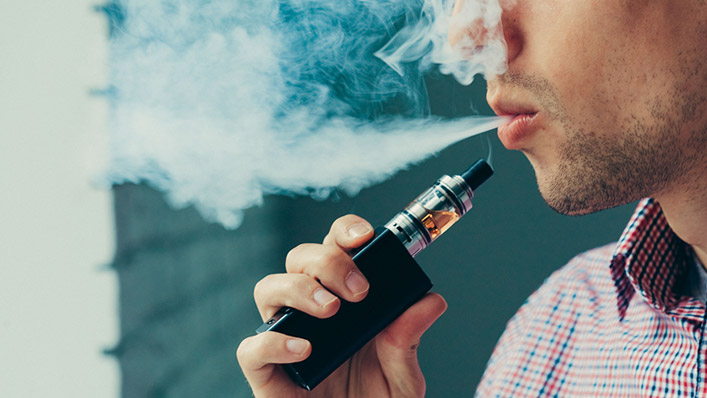
Unveiling the Vapor: 10 Critical Facts About Vaping

0

Vaping has surged in popularity over the past decade, particularly among teenagers and young adults. While many view it as a safer alternative to traditional smoking, the reality of vaping involves a complex mix of potential risks and considerations. Below, we’ll explore ten crucial facts about vaping, highlighting the dangers, contrasting it with smoking, and diving into some alarming statistics and common misconceptions.

10 Facts About Vaping Everyone Should Know

1. Understanding Vaping: What Is It?

Vaping involves inhaling vapor produced by an electronic cigarette (e-cigarette) or other vaping device. E-cigarettes are devices that heat a liquid—usually containing nicotine, flavorings, and other chemicals—into an aerosol, which the user inhales into their lungs. Unlike traditional smoking, which burns tobacco leaves releasing toxic tar and carbon monoxide, vaping delivers nicotine by heating a liquid in a much less harmful process.

2. Vaping vs. Smoking: The Lesser of Two Evils?

While vaping is often touted as a less harmful alternative to smoking, it is not without its risks. The process of heating the vape liquid creates several potentially harmful chemicals, including acetaldehyde, acrolein, and formaldehyde, which are known carcinogens. However, Public Health England maintains that vaping is 95% less harmful than smoking cigarettes. Despite this, vaping is not entirely safe, especially for non-smokers and young people.

3. Alarming Vaping Statistics

Vaping has seen a dramatic increase, particularly among younger demographics. According to the Centers for Disease Control and Prevention (CDC), over 5% of middle schoolers and 20% of high school students reported using e-cigarettes in 2020. This rise is concerning given the long-term implications of nicotine addiction and the potential health risks associated with vaping.

4. Health Risks: The Top 5 Negative Effects of Vaping

  • Nicotine Addiction: Nicotine is highly addictive and can impede brain development in teenagers, potentially leading to increased vulnerability to addiction to other substances.
  • Respiratory Problems: Vaping can cause lung irritation and can lead to lung diseases. Some users of vaping products have been diagnosed with severe lung disease.
  • Cardiovascular Risks: Nicotine increases blood pressure and spikes adrenaline, which can increase the risk of having a heart attack.
  • Effects on Mental Health: Nicotine usage can exacerbate anxiety and lead to mood disorders.
  • Potential for Poisoning: E-liquids can be poisonous if ingested or absorbed through the skin, posing a significant risk, particularly to children.

5. Dangers Specific to Youth

The brain continues to develop until about age 25, and nicotine exposure can lead to addiction and harm brain development in younger individuals. Furthermore, studies suggest that young people who vape are more likely to start smoking cigarettes later, undermining the argument that vaping is a safe tool for quitting smoking.

6. The Gateway Debate

There is ongoing debate whether vaping acts as a “gateway” to traditional smoking. Research indicates that most smokers begin with vaping and may transition to smoking cigarettes due to developing a nicotine addiction.

Spotlight on Hollywood Nepotism: Unpacking the List of Famous Nepo Babies

0

In the glamorous world of Hollywood, where fame and success can often seem elusive, a few have a unique advantage right from the start—being born into stardom. Known colloquially as “nepo babies” (short for nepotism babies), these individuals have familial ties that have opened doors within the industry, often sparking debates about privilege, talent, and fairness. We’ve compiled a list of nepo babies, including some of the most notable figures who have made a name for themselves, perhaps with a little help from their famous parents.

What Defines a Nepo Baby?

A nepo baby refers to someone in the entertainment industry who has at least one family member who is already established in the field. This familial connection can provide significant advantages, including easier access to high-profile auditions, connections with powerful agents and producers, and a pre-existing fan base. While many nepo babies are talented in their own right, their lineage often gives them a head start over others with no industry connections.

A List of Nepo Babies in Hollywood

Here’s a look at some well-known nepo babies across various sectors of the entertainment industry, from cinema and music to television and beyond.

1. Dakota Johnson

  • Parentage: Daughter of Melanie Griffith and Don Johnson.
  • Notable Works: Known for her role in the “Fifty Shades of Grey” series, Dakota Johnson has carved out a successful career in Hollywood, stepping out of the shadows of her famous parents.

2. Zoë Kravitz

  • Parentage: Daughter of musician Lenny Kravitz and actress Lisa Bonet.
  • Notable Works: With roles in “Big Little Lies” and “Mad Max: Fury Road,” Zoë has established herself as a talented actress and a fashion icon.

3. Lily Collins

  • Parentage: Daughter of English musician Phil Collins.
  • Notable Works: Lily has made her mark with leading roles in films like “Mirror Mirror” and the Netflix series “Emily in Paris.”

4. Jaden Smith and Willow Smith

  • Parentage: Children of Will Smith and Jada Pinkett Smith.
  • Notable Works: Both have ventured into acting and music, gaining recognition in projects like “The Karate Kid” and “Whip My Hair,” respectively.

5. Brooklyn Beckham

  • Parentage: Son of soccer legend David Beckham and fashion icon Victoria Beckham.
  • Notable Works: Brooklyn has pursued a career in photography and modeling, leveraging his parents’ fame to make a name for himself.

6. Gwyneth Paltrow

  • Parentage: Daughter of actress Blythe Danner and producer Bruce Paltrow.
  • Notable Works: An Oscar winner for her role in “Shakespeare in Love,” Gwyneth has also launched a successful lifestyle brand, Goop.

7. Kate Hudson

  • Parentage: Daughter of Goldie Hawn and Bill Hudson, raised by Goldie and her long-term partner, Kurt Russell.
  • Notable Works: Star of films like “Almost Famous” and “How to Lose a Guy in 10 Days,” Kate has also founded the fitness brand Fabletics.

It Only Took One Time: 1 Minute After It Entered My System, “I Was Dead”

By Courta Nicole

When I was first introduced to heroin it was by my boyfriend at the time. We will just call him “Walter.” I wasn’t aware of his drug use prior to moving in, but as time went on I started to catch on, and within weeks I started to uncover what was truly going on behind the scenes.

Little did I know, I was about to dive head first into this black hole called “Heroin.” I use the term black hole because that’s exactly what it is. You start by peaking into the unknown, telling yourself at any moment you can stand up and run home. Never do you imagine yourself falling so far down, with nothing to hold on to and no one to call out to for help.

You’re just free falling—and then everything goes black.

Ever since I was a little girl my favorite movie has always been Alice in Wonderland. It’s ironic that this experience felt a lot like the plot of my favorite childhood movie. I was just a young girl, curious about the world around me. Curious of that black hole, and once I fell down, I was lost, just wanting to get home.

The first time I tried heroin was out of spite—out of anger and sadness. I didn’t understand why Walter couldn’t quit.

I’ll never forget that night.

I was crying and so upset. I locked myself in the bathroom of our apartment (where I found another stash hidden) and told Walter, “If you think this is okay to do to yourself, then you can watch what it does to me.”

It sounds so stupid now, I know. But that’s where I was. I was watching someone I cared for throw his life away. And for a second I thought maybe I could change his life. But the only life I changed that night was my own. It took me ONE time…one small line of brown powder, and I was hooked.

I convinced myself that everything was fine, I mean I wasn’t shooting the stuff up…that’s what the “real addicts do,” right?

No.

That’s where people are highly mistaken; just because you don’t have track marks on your arm doesn’t make you any better than the dope head sitting next to you with a needle in his vein, nodding off. I just happen to be a little queasy around needles, so I never went that route.

Four months into this addiction I found myself living a double life.

screen-shot-2017-01-11-at-8-11-19-am

I quit answering phone calls, I quit going home to see my parents, I shut myself off from the people I loved most. Because these are the people that can see through me, and I knew if I were to be around them they would know something was wrong. I was ashamed of who I was, I was ashamed of the person I had become. I never went a day without this drug for over a year.

Dear White Moms, I Need Your Help

Dear White Moms,

You are my friends. You are my sisters.

We are the same in more ways than we are different, but there are a few things that I need you to know.

I have three black boys. They are the sweetest and most amazing humans I’ve ever met. They are incredibly intelligent, creative, artistic, caring, thoughtful, compassionate, friendly, and respectful. These aren’t just the characteristics of my three black boys, but of black boys all over America.

My heart aches when I think of anyone not being kind to my children. I so desperately want them to be treated fairly, and to be able to live their normal lives in peace. I want them to be comfortable and confident in their own skin. I want them to reach every single dream they have and to live safe lives where no one tries to bring harm to them because of the color of their skin.

I need your help.

I so desperately need you to have conversations with your children about racism. Racism isn’t always blatantly expressed. It can be very passive and subtle through messages conveyed in our culture. These types of messages have been communicated throughout our entire lives, with their true intent often going unnoticed.

As parents, you can completely change this through intentional conversations.

You see… I grew up in a predominately white area and attended a small conservative Christian School. The amount of racism and ignorance I dealt with from white privileged children was tremendous. I learned to be very passive in my friendships and to not make anyone feel uncomfortable.  As my peers spoke, I could hear their parents’ voices loudly above their own. I could hear the messages from dining room tables and living rooms, and could see values they were being passed down. They hadn’t interacted with other black children; I was the one and only real friend they ever had.

I was called horrible names; no one was allowed to date me. This was not because they didn’t like me, but because of their parents saying “NO”. I wasn’t even allowed in one of my close friend’s house until her parents felt I was “safe.” My stories could go on and on.

I grew up not seeing many black actors in TV or movies unless they were supporting roles or slave movies. The only black people I saw on the news were associated with reports that dehumanized and villainized.

I grew up in a generation that has still remained pretty racially separated. We can’t afford to hand that down to our kids.

So, please…

Talk to them about racism. I hate the conversations I have to have with my boys about it. They are extremely heartbreaking. It’s difficult to explain to them reasons some people won’t like them, think they are scary, or even try to harm them because of the color of their skin.

Please, talk to your kids, so together we can make the world better for all of our children.

Teach them to stand up to injustice whenever they see it. Teach them compassion, kindness, and love. Teach them not to passively ignore or avoid the trials of others, but to always stand up for what is right. Teach them the TRUTH and don’t sugar coat it or encourage your kids to be color blind. “Color Blind” creates passivity.

Watch what you say and what they hear. Be careful watching shows in your home that [vocalizes] harmful comments about racial differences, economic status…or even racially harmful political commentary.  I need you to listen carefully for those messages. Make sure you aren’t supporting them in conversation or in things you allow around your children. I need you to be careful of how you speak about minorities, making sure you are valuing them the way you value your white counterparts.

Your children need to hear that you enjoy shows that feature black characters & movie actors. They need to hear that you listen to music with artists that look different than you (more than just hip-hop) and that you read books by black authors.

Your kids need to have positive minority experiences in their own homes and churches. It is important they see that you are intentionally building friendships with minorities and regularly have them in your home. Look to befriend black moms. If you wouldn’t say it to a white friend, don’t say it to a black friend. Simply treat them the same. Your kids will do this as they see you model that behavior.

All of these things will shape and develop your children’s world-views. These intentional acts will change how they view entire groups of people because interaction with different people will be intertwined in their lives. Your children will see them as their peers and appreciate all of their many similarities while embracing their differences.

We are the same as mothers. We don’t want our kids to be bullied. We want them to live successful lives. We want people to give them grace, and love. We want them to make great decisions. We want people to be kind to our kids. We want to protect them. We want their childhoods to be magical, and to set them up for the best lives possible.

Your children are part of the hope I have for the world to change.

Your children are the next generation and the children my boys will grow up with. If you can model inclusive attitudes, and ideas that one race is no better than another, then you will raise kind-hearted children. They won’t automatically label any kids as “threats”, “incompetent”, or “thugs” just because of the color of their skin.

The hope is when they see my kids, they will see their hearts, amazing personalities, and make judgments in a fair way… after getting to know them.

People always ask me how I instill confidence with all this negativity that comes at them… Jesus. They love Jesus. We love Jesus, and His word is our truth above anything the world says. Their hope is in the Lord. Our hope is in the Lord, and I pray this post will encourage you to make a difference in your children’s lives, in our children’s lives, and in this next generation so the world will truly be a better place.

If you see one of my sons at night with a hoodie on… they are probably cold. Don’t act fearful. Smile at them when you see them at the store. Say “Hello.” When they come to your home, welcome them with love, and no awkwardness or weird questions. Just treat them the same as you would any other children in your home. Judge them on their character, not on their looks. Always assume the best, not the worst. Shower them with kindness and love.

And you will truly make the world a much better place.

With so much love for you,

Jehava

Courtesy Jehava Brown

**This story was written by Jehava Brown. It originally appeared here. See more from Jehava on her website, or connect with her on Facebook

Navigating the Mystery: Understanding Medically Unexplained Symptoms

0

Medically unexplained symptoms (MUS) are physical complaints that do not have a clear or consistent underlying medical cause even after thorough examination and testing. These symptoms can be frustrating and debilitating for patients, often leading to significant anxiety and disruption in their daily lives. Understanding and managing MUS is a complex challenge for both patients and healthcare providers. This blog post delves into various examples of medically unexplained symptoms, explores possible explanations, and discusses approaches to management.

What are Medically Unexplained Symptoms?

Medically unexplained symptoms are physical symptoms that persist for several weeks to years without a diagnosed medical condition. They are not fabricated or “all in the head” but are genuine experiences that cause real distress and dysfunction. MUS can affect any part of the body and can vary in intensity. Commonly, these symptoms are chronic and can significantly impact the quality of life.

Examples of Medically Unexplained Symptoms

1. Chronic Fatigue Syndrome (CFS)

CFS is characterized by extreme fatigue that doesn’t improve with rest and worsens with physical or mental activity. This fatigue significantly impairs daily functioning. Patients might also experience muscle pain, memory loss, and sleep disturbances.

2. Irritable Bowel Syndrome (IBS)

IBS is a common digestive disorder known to cause a combination of symptoms such as recurrent abdominal pain, bloating, and altered bowel habits (including diarrhea and constipation) without any obvious cause.

3. Fibromyalgia

This is a long-term condition that causes pain all over the body. Patients often report heightened pain response to pressure, along with other symptoms like fatigue, muscle stiffness, difficulty sleeping, and problems with mental processes.

4. Non-Cardiac Chest Pain

Chest pain that mimics heart pain but occurs in the absence of any heart disease is known as non-cardiac chest pain. It can be very distressing and often leads to repeated emergency room visits.

5. Chronic Pelvic Pain

This is persistent pain perceived in structures related to the pelvis and often has no identifiable cause despite extensive clinical investigations.

6. Pseudo-seizures

Also known as psychogenic non-epileptic seizures, these are seizure-like episodes that can resemble an epileptic seizure but without the characteristic electrical discharges seen in epilepsy.

7. Tension Headaches

Frequently described as a constant pressure or tightness, often like a band around the head, tension headaches typically do not have an identifiable medical cause.

8. Dizziness and Vertigo

Frequent unexplained dizziness and vertigo can severely affect a person’s ability to perform daily activities but often do not have a diagnosable medical condition as their source.

Recognizing the Signs of Depression: How to Identify in Someone You Love

0

Depression is a pervasive mental health condition that affects millions of individuals worldwide. It can profoundly impact a person’s emotions, behavior, and overall well-being, often seeping into every aspect of their life. Recognizing the signs of depression in someone you love is crucial for providing the support and help they need. This comprehensive guide will help you understand the signs of depression, and how you can be there for your loved one during their time of need.

Understanding Depression

Depression is more than just a bout of sadness or a temporary feeling of loneliness. It is a serious medical condition that requires understanding, treatment, and a supportive healing environment. Symptoms can vary widely among individuals, but they typically affect one’s feelings, thoughts, and behaviors over a prolonged period.

Common Signs of Depression:

  • Persistent Sadness or Low Mood: This is not just feeling blue; it’s an enduring sadness that doesn’t seem to go away.
  • Loss of Interest or Pleasure: Individuals may lose interest in hobbies or activities they once enjoyed, showing little to no pleasure in anything.
  • Changes in Appetite: Significant weight loss or gain can occur when someone is not eating enough or is eating excessively.
  • Sleep Disturbances: This includes both insomnia and hypersomnia (excessive sleeping).
  • Fatigue or Loss of Energy: Feeling excessively tired all the time, even without significant physical exertion.
  • Feelings of Worthlessness or Excessive Guilt: Harboring negative and self-critical thoughts.
  • Difficulty Thinking, Concentrating, or Making Decisions: Tasks that were once easy may now feel burdensome or impossible.
  • Physical Symptoms: Unexplained aches and pains or digestive problems without a clear physical cause.
  • Recurrent Thoughts of Death or Suicide: Expressing thoughts about death or suicidal ideation, which is an immediate red flag.

Early Signs of Depression

Being able to identify early signs of depression can be key to helping someone manage their condition before it escalates. These signs might be subtle and vary from person to person, but they often include:

  • Withdrawal from Social Activities: Choosing to skip gatherings or activities they would normally enjoy.
  • Neglecting Personal Care: Skipping showers, not dressing as usual, or neglecting personal hygiene.
  • Irritability or Unexplained Outbursts: Seemingly small issues may provoke anger or irritation.
  • Decreased Performance at Work or School: Reports of mistakes, missed deadlines, or low motivation.
  • Changes in Communication Patterns: Texts, calls, and social media interactions may significantly decrease.

How to Help Someone You Suspect is Struggling With Depression

Start a Conversation

Approaching someone about their mental health requires sensitivity and care. Here’s how to start:

  • Choose the Right Time and Place: Find a private and quiet place to talk where you won’t be disturbed.
  • Express Concerns Without Judgement: Use “I” statements like “I’ve noticed you’ve been feeling really down,” instead of “You are always sad.”
  • Listen Actively: Give them your full attention, affirm their feelings, and avoid the urge to give quick fixes.

Encourage Professional Help

Depression is a health condition that benefits from professional treatment which may include therapy, medication, or both.

  • Discuss Treatment Options: Share information about resources like counseling services or psychiatrists.
  • Offer to Help with Appointments: Making or attending appointments can be daunting; offer to assist with these tasks.

Provide Ongoing Support

Supporting someone with depression isn’t just a one-time effort. Continuous support can make a significant difference in their recovery journey.

  • Check-In Regularly: Send them messages, call them, or arrange to meet up.
  • Stay Informed: Learn about depression to better understand what your loved one is going through.
  • Be Patient: Recovery takes time, and symptoms can improve slowly.

Take Care of Yourself

Helping someone with depression can be emotionally taxing. It’s important to monitor your own health and seek support if needed.

Recognizing the signs depression in someone you love is the first step in helping them get back to a healthier state of mind. It requires patience, compassion, and an active effort to understand the complexities of the condition.

By recognizing the signs of depression, initiating supportive conversations, and encouraging professional help, you can provide meaningful support to your loved one. Remember, you don’t have to do it alone—seeking guidance from mental health professionals can be beneficial for both you and your loved one. Together, with the right support and resources, overcoming depression is possible.

How to Navigate Losing Feelings After a Long-Term Relationship

0

Navigating the complex emotions of a long-term relationship can be challenging, especially when feelings begin to change. Understanding these changes is crucial for personal growth and maintaining healthy relationships. Let’s explore the signs of losing feelings after a long-term relationship, and psychological insights. We will also addresse common concerns such as whether lost feelings can return and how to distinguish between losing feelings and depression.

Understanding the Signs of Losing Feelings After a Long Term Relationship

  1. Decreased Desire for Intimacy: A significant reduction in the desire to be physically or emotionally close can indicate that feelings are waning.
  2. Irritation Over Small Things: If small habits that were once endearing are now sources of irritation, it may be a sign that feelings are changing.
  3. Lack of Excitement: Feeling indifferent about seeing your partner or not looking forward to spending time together can be a telling sign.
  4. Visualizing a Life Without Your Partner: Imagining or desiring a life without your partner can indicate a shift in feelings.

Reasons for Losing Feelings After a Long Term Relationship

Losing feelings after a long-term relationship can be unsettling but is not uncommon. There are several reasons why this might occur:

  1. Emotional Shifts: Over time, feelings in a relationship can naturally change due to a variety of internal and external factors. These shifts can be influenced by changes in life circumstances such as stress, personal growth, or evolving interests. Sometimes, feelings may fade due to a perceived lack of emotional connection or growing differences that lead to feeling less passionate or affectionate toward a partner​ (Psychologily)​.
  2. The Role of Time: Initially, relationships might be intense and exciting, but as they progress, these intense feelings can settle into a more stable and less exhilarating pattern. This doesn’t necessarily signify a problem; it’s often just a transition into a different phase of the relationship that focuses more on deep emotional intimacy rather than initial passion​ (Psychologily)​.
  3. Communication and Connection Issues: Poor communication can lead to misunderstandings and feelings of distance or disconnection. If not addressed, this can erode the relationship over time, making one or both partners feel less engaged and eventually less in love​ (mindbodygreen)​.
  4. Individual Changes: People evolve and their needs can change. What worked for a couple at one stage in their relationship might not meet their emotional or physical needs at another stage. This could lead to a decrease in feelings if the relationship does not evolve with those changes​ (mindbodygreen)​.

Understanding these dynamics can help individuals and couples navigate through changes in their feelings. Addressing issues early through open communication, possibly with the support of counseling or therapy, can help in maintaining a healthy relationship despite these changes. If you’re experiencing a loss of feelings in your relationship, it might be beneficial to explore these factors and consider how they apply to your specific situation.

Psychological Insights

Psychological studies suggest that losing feelings in a long-term relationship is not uncommon and can be influenced by various factors such as life stressors, personal growth that leads to different outlooks, or a natural decrease in emotional intensity over time. The familiarity and routine in long-term relationships can sometimes lead to emotional complacency, where the thrill of discovery and newness wears off, leading to a perceived loss of feelings.

Self-Reflection: Love vs. Depression

It’s important to differentiate between losing feelings due to relationship dynamics and changes in feelings due to personal mental health issues like depression. Depression can dampen feelings generally, making everything less enjoyable, including relationships. Consulting a mental health professional can help clarify these feelings.

The Possibility of Rekindling Love

Can lost feelings come back? Many believe they can. Rekindling feelings often involves addressing the root causes of disconnection and making a concerted effort to renew emotional intimacy and communication. Revisiting past happy memories and creating new ones, prioritizing each other’s needs, and maintaining a level of curiosity about each other can foster renewed feelings of love.

Losing feelings in a long-term relationship is a complex issue influenced by various factors, including personal growth, mental health, and the inherent dynamics of long-term relationships. Recognizing the signs and understanding the underlying reasons are the first steps toward addressing this issue. Whether by working through challenges together or opting to part ways, the most important outcome is personal happiness and emotional health.

Top 10 Most Astonishing Unexplained Survival Stories Ever Recorded

0

Survival stories have always captivated us because they showcase the remarkable resilience and resourcefulness of individuals faced with seemingly insurmountable odds. Here we explore a series of unexplained survival stories that defy explanation, each one a testament to the indomitable human spirit.

10 Unexplained Survival Stories: Triumphs Against All Odds

1. Juliane Koepcke: Miracle in the Jungle

On Christmas Eve in 1971, 17-year-old Juliane Koepcke was flying over the Peruvian rainforest with her mother when their plane was struck by lightning. The plane broke apart in the air, and Juliane, still strapped to her seat, fell two miles to the ground. Miraculously, she survived with only minor injuries and managed to trek through the dense Amazon jungle for 11 days until she found help. Her survival is attributed to her knowledge of rainforest survival techniques taught by her father, yet how she survived the fall with such minimal injuries remains a profound mystery.

2. José Salvador Alvarenga: Lost at Sea

José Salvador Alvarenga, a Salvadoran fisherman, survived an extraordinary 438 days adrift in the Pacific Ocean. After a storm pushed his small boat out to sea, Alvarenga survived by eating fish, birds, and turtles, and drinking rainwater and his own urine. His tale challenges our understanding of human resilience and the limits of physical and psychological endurance.

3. Harrison Okene: Trapped Underwater

In 2013, Harrison Okene, a Nigerian cook, was trapped in a capsized tugboat at the bottom of the Atlantic Ocean for almost three days. Found in an air bubble within the shipwreck and surrounded by pitch darkness and icy water, Okene’s survival is nothing short of miraculous. He credits his survival to his faith, prayers, and an extraordinary will to live.

4. Mauro Prosperi: Lost in the Sahara

Italian police officer and ultramarathon runner Mauro Prosperi got lost during the 1994 Marathon des Sables in Morocco, a six-day, 251 km ultramarathon through the Sahara Desert. After a sandstorm caused him to lose his way, Prosperi survived for ten days by drinking his own urine and the blood of bats before being found by nomads. His survival, given the harsh conditions of the Sahara, remains a testament to human resourcefulness and endurance.

5. Anatoly Bugorski: Surviving the Unthinkable

In a bizarre and nearly unbelievable accident, Russian scientist Anatoly Bugorski once placed his head in the path of a particle accelerator’s beam in 1978. He survived, despite the beam burning through parts of his face and brain. He continued to live a full life after the incident, though he experienced partial facial paralysis and occasional seizures. The long-term survival and relatively normal life post-accident pose intriguing questions about the human body’s capacity to recover.