
Exclusive Content:

90 Bible Verses to Remind You That God’s Love Is Unconditional

Let these Bible verses remind you that God's love is unconditional. And, don't forget love one another just like God first loved us.

Boy Crawls into Stranger’s Arms at Football Game— His Aunt Hunts Her Down With Powerful Facebook Post

"I don’t know who this lady is... she waved at him and he made his way up to her. I thought their interaction would be the same as last time but I was wrong. "

During a Kitchen Dance Party, Foster Mom Hears Heartfelt Words: ‘I Miss My Other Daddy’

"I felt the tug on my sleeve and looked down to find him standing motionless. His mouth was moving but I couldn’t make out his words. His quiet body in the noisy room caught me off guard. I bent down to find his voice."
Home Blog Page 64

Exploring the Enduring Legacy of ‘So God Made a Farmer’

0

In the rich tapestry of American oratory, few speeches have resonated through the hearts and minds of the rural and agricultural community quite like Paul Harvey’s “So God Made a Farmer.” Delivered at the 1978 Future Farmers of America convention, this speech remains a poignant tribute to farmers’ enduring spirit, character, and vital role in society.

The Genesis of a Timeless Message: So God Made a Farmer

Paul Harvey, a renowned radio broadcaster, had a distinctive voice known to millions across America. In 1978, he took the stage to deliver what would become one of his most famous speeches, “So God Made a Farmer.” The address painted a vivid picture of the farmer’s life, encapsulating the virtues of hard work, dedication, and stewardship of the land. Harvey’s eloquent words echoed the biblical cadence of the Book of Genesis, imparting a divine significance to the farmers’ labor and life.

The Core Qualities of a Farmer

Harvey’s narrative delves deep into the fabric of what makes a farmer, portraying them not just as cultivators of the earth but as embodying values critical to humanity’s progress. He speaks of the farmer’s relentless work ethic, their unwavering commitment in the face of adversity, and their intrinsic bond with the land they till. The speech underscores the farmer’s role as a steward of nature, emphasizing their respect for the environment and their animals.

Harvey portrays farmers as pillars of the community, embodying virtues like honesty, integrity, and family values. They are depicted as individuals of strong character, balancing the demands of the field with the needs of their families and neighbors.

The Speech’s Resonance and Impact

“So God Made a Farmer” resonated deeply within and beyond the agricultural community. Its timeless message highlights the universal values of diligence, perseverance, and respect for the earth—principles that transcend geographical and cultural boundaries. The speech serves as a reminder of the essential, though often understated, role that farmers play in society: they are not just producers of food but guardians of the world’s natural heritage.

Over the years, Harvey’s homage to farmers has been celebrated in various forms, from printed copies displayed in homes and farmhouses to its memorable adaptation in a Super Bowl commercial. Sponsored by Ram Trucks in 2013, the commercial brought Harvey’s words to millions of viewers, reintroducing the speech’s powerful message to a new generation.

The Tone of Reverence and Admiration

The tone of “So God Made a Farmer” is one of reverence and admiration. Harvey’s delivery, combined with the rhythmic structure of his prose, elevates the speech beyond mere narration, turning it into a moving piece of Americana. This reverential tone is what has made the speech so enduring; it does not merely describe but elevates the farmer’s everyday toil to a divine calling.

Test Your Knowledge with Our Jesus’ Miracles Trivia Quiz

0

In the vast tapestry of Christian tradition and biblical narrative, the miracles performed by Jesus Christ stand as powerful testaments to his divinity, compassion, and the overarching message of the Gospel. From turning water into wine to raising the dead, these acts not only defy human understanding but also offer profound insights into the nature of faith and the kingdom of God. But how well do we know these miraculous events, and what do they truly signify within the Christian faith? This collection of 25 miracles trivia questions delves deep into the heart of these biblical accounts, inviting readers to explore the miracles of Jesus—questioning whether they are considered myth or fact in the context of Christian beliefs and historical documentation. Let’s embark on this enlightening journey to uncover the truths woven into these divine interventions.

Miracles Trivia Questions

  1. What is the first miracle attributed to Jesus in the New Testament?
    • A) Turning water into wine
    • B) Healing the blind
    • C) Walking on water
    • D) Feeding the 5000
  2. Where did Jesus perform his first recorded miracle?
    • A) Jerusalem
    • B) Bethlehem
    • C) Cana of Galilee
    • D) Capernaum
  3. How many loaves of bread did Jesus use to feed the 5000?
    • A) 5
    • B) 7
    • C) 12
    • D) 3
  4. How many fish were used along with the loaves to feed the 5000?
    • A) 2
    • B) 5
    • C) 7
    • D) 12
  5. What type of tree did Jesus curse, causing it to wither?
    • A) Olive
    • B) Fig
    • C) Cedar
    • D) Palm
  6. How many times did Jesus tell Peter to cast his nets into the sea for a miraculous catch of fish?
    • A) Once
    • B) Twice
    • C) Three times
    • D) Four times
  7. Which body of water did Jesus walk on?
    • A) Jordan River
    • B) Dead Sea
    • C) Sea of Galilee
    • D) Red Sea
  8. Whose ear did Jesus heal after Peter cut it off during Jesus’ arrest?
    • A) Malchus
    • B) Judas
    • C) Caiaphas
    • D) Pontius Pilate
  9. In which Gospel are all the first three Synoptic miracles found?
    • A) Matthew
    • B) Mark
    • C) Luke
    • D) John
  10. Who was raised from the dead by Jesus in Bethany?
    • A) Lazarus
    • B) Jairus’ daughter
    • C) The widow’s son at Nain
    • D) Eutychus
  11. What miracle did Jesus perform at the Pool of Bethesda?
    • A) He walked on water.
    • B) He fed 5000 people.
    • C) He healed a man who had been invalid for 38 years.
    • D) He turned water into wine.
  12. How many lepers did Jesus cleanse on the way to Jerusalem?
    • A) 10
    • B) 12
    • C) 7
    • D) 5
  13. What did Jesus do to calm a storm while he and his disciples were at sea?
    • A) He prayed.
    • B) He rebuked the wind and waves.
    • C) He sang a hymn.
    • D) He walked on water.
  14. What did Jesus use to give sight to the blind man in the Gospel of John?
    • A) Water from the Jordan River
    • B) Mud made with spit
    • C) A touch of his garment
    • D) Prayers only
  15. How many baskets of leftovers were collected after the feeding of the 5000?
    • A) 7
    • B) 12
    • C) 5
    • D) 20
  16. What was the second recorded miracle of Jesus in the Gospel of John?
    • A) Healing the official’s son
    • B) Turning water into wine
    • C) Healing a blind man
    • D) Feeding the 5000
  17. What was unique about Jesus healing the servant of the Roman centurion?
    • A) Jesus was in another town when he healed him.
    • B) Jesus used a special prayer.
    • C) The servant was a known criminal.
    • D) It happened in a synagogue.
  18. Which Gospel is the only one that mentions the miracle of turning water into wine?
    • A) Matthew
    • B) Mark
    • C) Luke
    • D) John
  19. What miracle did Jesus perform for Simon Peter’s mother-in-law?
    • A) He healed her of leprosy.
    • B) He raised her from the dead.
    • C) He healed her of a fever.
    • D) He restored her sight.
  20. Who acknowledged Jesus’ authority over nature after calming the storm?
    • A) The Pharisees
    • B) The disciples
    • C) The crowds
    • D) Roman soldiers
  21. In which region did Jesus cast out a legion of demons from a man?
    • A) Galilee
    • B) Judea
    • C) Samaria
    • D) Gerasenes
  22. How did Jesus heal the deaf and mute man in the Gospel of Mark?
    • A) By saying “Ephphatha” (Be opened)
    • B) By touching his ears and tongue
    • C) By praying
    • D) A & B
  23. After which miracle did Jesus warn the healed man to tell no one about it, but the news spread anyway?
    • A) Healing the blind man
    • B) Healing the leper
    • C) Healing the paralytic
    • D) Raising Lazarus from the dead
  24. How long had Lazarus been dead before Jesus raised him?
    • A) One day
    • B) Three days
    • C) Four days
    • D) A week
  25. What did Jesus tell Jairus when he was informed that his daughter had died?
    • A) “Your daughter will live.”
    • B) “Do not be afraid; just believe.”
    • C) “She is not dead but sleeping.”
    • D) B & C

How Christian Nightclubs Are Taking Over American Nightlife

0

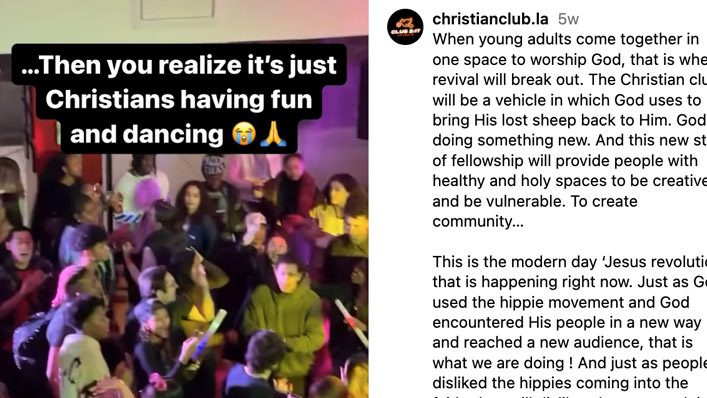
The nightlife scene in the United States is undergoing a transformation, driven by a new trend that’s gaining momentum across the country: Christian nightclubs. These establishments offer a unique environment where faith meets fun, providing an alternative to the conventional nightlife options. Let’s find out more about the concept behind Christian nightclubs, exploring prominent venues such The Saved Social Club, Club 2:17, and The Cove. We’ll look into their missions, the experiences they offer, and the impact they’re making in their communities.

Popular Christian Nightclubs

The Saved Social Club in North Hollywood, Los Angeles

Located in the heart of the city, The Saved Social Club has quickly become a sanctuary for young Christians looking for a fun, faith-centered night out. With events detailed on platforms like Eventbrite and social media, this club emphasizes community and connection, providing a space free from alcohol and secular music. Attendees have praised the club for its welcoming atmosphere and the opportunity to meet like-minded individuals. “It’s refreshing to find a place where I can enjoy myself without compromising my values,” shared one happy club-goer.

Club 2:17 in Los Angeles

Named after the Bible verse Ephesians 2:17, Club 2:17 is making waves in Los Angeles. The club’s Instagram page is a testament to its popularity, featuring posts that highlight themed nights, special events, and guest DJs. The club prides itself on being a beacon of light in the nightlife industry, offering an inclusive space where faith and fellowship can flourish. “Club 2:17 is not just about the music or the dancing; it’s about the message of peace and reconciliation,” commented one attendee.

Viral Video Captures Heartwarming Bond Between Nonverbal Autistic Teen & His Younger Brother

0

A heartwarming video has the internet in a swell this week after a mom captured the sweet bond between an autistic teen and his younger brother. 

In the now-viral video, Kate Swenson filmed her son Cooper, 13, who is nonverbal, practicing how to say his younger brother Sawyer’s name. 

Sawyer is 11, and affectionately cheers on his brother as he works hard to grunt out the sounds that make up Sawyer’s name. 

“Yeah! Good job!” Sawyer encourages Cooper with cheers and hugs. 

When prompted by his mom, who is filming, Cooper then uses American Sign Language along with his voice to communicate “I Love You, Sawyer.” 

Sawyer lights up at his brother’s communication and once again snuggles his brother proudly. 

“Awww, I love you too, buddy,” Sawyer replies. He then rests his head on Cooper’s shoulder.


View this post on Instagram


A post shared by Kate (@findingcoopersvoice)

Comments flooded the Instagram reel, all with encouragement and love for the two boys. 

“Omg I’m crying!!!! I absolutely love love LOVE you sharing Kate! You have no idea how much hope you bring to me!” one person wrote.

Added another, “Oh my heart. this made me so emotional. Their bond and relationship is so beautiful.”

It’s a peek into a blossoming friendship that has taken most of Sawyer’s life to develop.

A Long Road to Brotherly Love 

Kate tells TODAY that for the first five years of Cooper’s life, he didn’t acknowledge Sawyer. 

“Sawyer would ask, ‘Why doesn’t Cooper love me? Why won’t he play with me?’”

But in 2019, the family moved into a new home in Minnesota and everything changed. Suddenly, Cooper insisted on sleeping in Sawyer’s room. 

“That’s when their relationship started to grow,” Swenson shares. “It didn’t look like the one I had with my sister, where you know, we had to be told to be quiet. It was just a place of comfort. They comforted each other and became each other’s person.”

Kate describes Sawyer as a fairly “stoic guy,” but the first time Cooper said Sawyer’s name without any prompting, the 11-year-old cried tears of joy!

“That celebration you see in the video, that’s real,” Swenson says. “Sawyer is so proud.” 

In 2022, Swenson released her first book, Forever Boy: A Mother’s Memoir of Autism and Finding Joy,” which takes much of what she’s shared on her popular blog, Finding Cooper’s Voice, and compiles it into a powerful testimony of resilience and unconditional love. 

Through her book, her blog, and social media, Kate has been able to provide comfort for hundreds of thousands of parents of children with autism. 

WATCH: High School Principal Works Night Jobs to Help Low-Income Students

What was your high school principal‘s name? Depending on your age and how much you interacted with your principal, you may or may not even remember it. But for some of the students a North Charleston High School, their principal’s name may be remembered for a lifetime because of the impact he had on them. Why? This high school principal works night jobs to help his students.

Why a High School Principal Works Night Jobs

Henry Darby has become something of a celebrity, but not because he’s hoping for fame.

“The attention…I’m not used to it. I don’t think that I’ve done anything really of distinction to warrant the attention,” Darby told the Today show in an interview last year.

However, he’s being called a hero educator because this South Carolina high school principal works night jobs—and has done so for years—to help his students.

Darby, who already had a second job as a county councilman couldn’t just look past his low-income students.

With 90 percent of his student boy living below the poverty line, Darby goes travels to some of his students’ homes over the weekend to check in.

“I get a little bit emotional because, um, when you’ve got children you’ve heard sleep under a bridge, or a former student or child is sleeping in a car,” Darby explained, “Or when you go to a parent’s house because there are problems and you knock on the door and you see there are no curtains and you see a mattress on the floor…and these people need…and I wasn’t going to say no.”

Having compassion on his situations, Darby started working five nights a week at Walmart to provide for his students who he knew were in need. The high school principal works night jobs stocking shelves from 10pm to 7am to make the extra income, and according to Darby, every penny he makes working at Walmart goes to the students.

Watch the inspiring interview with him here:

Darby Cares

It’s not just in his efforts to provide extra income that Darby shows he cares, however. His students know him as a friendly principal who builds strong relationships as a mentor to his students, as well.

“At North Charleson High School we do express the three Rs—rigor, relevance, and relationship,” Darby explained. ” Everybody knows that I’m gonna hug them. I see them and I say, come here boy, come here child, come here and give me a big hug. I meet them at the door of the buses…I’m just that type of guy.”

In fact, the high school principal works night jobs, not only to make the money to help out low-income students, but also do model a good work ethic and to teach them that a job like one at Walmart isn’t beneath them.

“If some of them could see that if a principal could work at Walmart, why can’t they?” he said.

As Darby explains it, he wants to teach by example. He grew up in a poor family, but his parents taught him to help others whenever they can.

Darby said, “I wish that those of us who are born of poverty and we had to struggle and we made it to at least the lower middle class, that we will look back to help others.”

And even though Darby is working three jobs, and through the night when he could be sleeping, his store manager, Cynthia Solomon, described him as an impressive worker.

“The work ethic that he has just to come into work after his other two jobs is just really remarkable to us,” Solomon said. “His dedication and coming in and doing the job it requires every night is really very impressive.”

Want more proof Darby is a humble hero? The Walmart where the high school principal works night jobs didn’t even know he had another job or what he was doing with his paychecks until someone else told them.

So what’s been the response since people have learned about Mr. Darby?

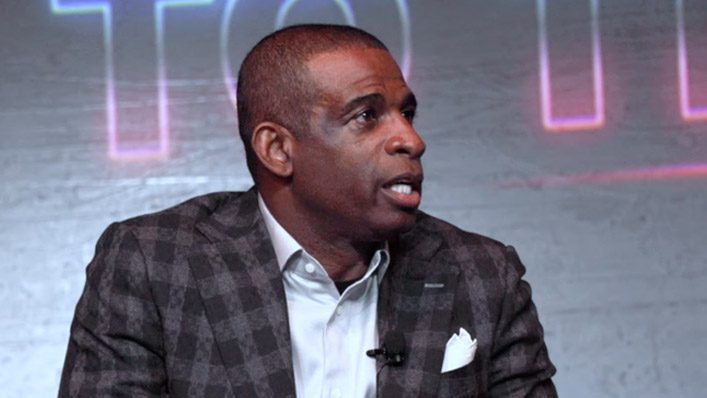
From Despair to Triumph: How Deion Sanders’ Unshakeable Faith Transformed Colorado Football

0

Deion Sanders, renowned for his remarkable career in the NFL and his vibrant personality, has taken up the mantle as the head coach of the University of Colorado’s football team. Beyond his impressive achievements on the field and the sidelines, Sanders is profoundly influenced by his Christian faith, which he openly credits for his life’s successes and his recovery from personal lows.

Finding Faith Amidst Turmoil

Deion Sanders’ journey into faith is a story of transformation marked by a profound personal crisis. Before 1997, Sanders enjoyed the pinnacle of professional success, yet he grappled with a deep-seated emptiness. His autobiography, “Power, Money & Sex: How Success Almost Ruined My Life,” details the darkest moment of his life when he attempted suicide by driving off a cliff in Cincinnati. This harrowing incident, stemming from a sense of insufficiency despite his worldly achievements, led him to a pivotal moment of self-reflection.

The aftermath of the suicide attempt was a turning point for Sanders. It propelled him towards seeking meaning beyond the superficial trappings of fame and success. His search led him to embrace Christianity, marking the beginning of a new chapter in his life. Since then, Sanders has been an avowed Christian, attributing his emotional and spiritual recovery to his newfound faith.

The Role of Faith in Coaching and Leadership

Since assuming the role of head coach at the University of Colorado, Sanders has been vocal about the impact of his faith on his coaching style and leadership approach. He believes in leading by example, integrating Christian principles such as integrity, accountability, and compassion into his coaching ethos. Sanders often references God’s role in his life and career, stressing the divine guidance he feels in his decisions and actions.

Sanders’ post-game interviews frequently include acknowledgments of God’s hand in the team’s performance. He sees his coaching role not just as a job but as a ministry, aiming to instill not only athletic excellence but also moral values in his players. His open expression of faith has sparked discussions, with varying opinions on the intersection of religion and sports. Despite differing views, Sanders remains steadfast in his belief that his faith is an integral part of his identity, both as a coach and an individual.

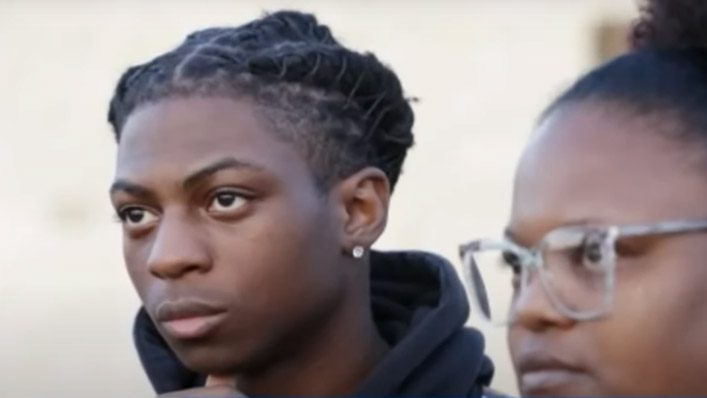
Shocking Punishment: Texas Student Suspended For Hairstyle

0

In events that have stirred controversy and debate, Darryl George, a Black student at Barbers Hill High School in Texas, found himself at the center of a disciplinary action that has ignited conversations about racial discrimination, cultural identity, and educational policies. Despite the introduction of the Crown Act in Texas, which aims to prohibit discrimination based on hair texture and style, George faced multiple suspensions due to his natural hairstyle.

Texas Student Suspended For Hairstyle

Darryl George’s suspensions have highlighted ongoing issues surrounding racial discrimination in schools. The first suspension occurred due to the school’s dress code, which includes restrictions on hair length for boys, deemed by critics as outdated and racially insensitive. Despite George’s hairstyle being a representation of his cultural heritage, the school deemed it inappropriate, leading to his removal from the educational environment.

Legal and Social Ramifications

Following the suspensions, legal proceedings were initiated to challenge the school’s decision. The case brings to light the tension between individual rights and institutional policies. While the school argues that its dress code promotes discipline and uniformity, opponents see it as a violation of personal expression and cultural identity. The trial set to address these actions will not only determine the fate of George but also set a precedent for how hair discrimination cases are handled in educational institutions.

The Crown Act and Its Impact

The Crown Act, enacted to stop hair-based discrimination, aims to protect individuals from being penalized for their natural hair texture and styles such as afros, braids, twists, and locks. Despite this legislation, George’s case shows that enforcement and acceptance of the law vary significantly. Its intended impact versus the reality seen in schools like Barbers Hill High School.

Community Response and National Dialogue

The suspension of Darryl George has not gone unnoticed. Community members, activists, and legal experts have rallied in support of George, questioning the legality and fairness of the school’s actions. This movement has spurred a national dialogue on hair discrimination and its ramifications on Black individuals’ rights to express their cultural and racial identities. Discussions will also include the role of educators and institutions in respecting and accommodating cultural diversity.

Tasing Incident Involving Alabama High School Band Director Sparks Outrage and Debate

0

In a recent incident that has stirred considerable debate and emotion, Johnny Mims, the band director at Minor High School in Alabama, was tased and arrested following a high school football game. The incident occurred when Mims reportedly refused to cease the band’s performance despite police insistence, leading to a confrontation that ended with him being shocked with a stun gun. This event has led to charges against Mims including disorderly conduct, harassment, and resisting arrest. As the bodycam footage circulates and the investigation unfolds, this incident raises questions about authority, community traditions, and the appropriate use of force.

Understanding the Background

Johnny Mims has served as the band director at Minor High School, contributing to the school’s cultural and community spirit through music. High school bands, particularly in states like Alabama, play a central role in community events, especially football games, where traditions like the “5th Quarter” performances are a significant part of local culture. These performances typically occur after the game and are moments for students to celebrate, showcase their skills, and foster community spirit.

The Incident Detailed

The incident unfolded after a football game, during the traditional “5th Quarter” performance by the school band. According to reports, police officers approached Mims, requesting an immediate cessation of the band’s performance for reasons not fully disclosed. Mims, aiming to conclude the performance in celebration with the students and community, continued the show, leading to a confrontation.

Alabama High School Band Director Tased

The escalation resulted in the use of a taser on Mims, a move that has sparked significant controversy. The bodycam footage released shows the tense moments leading up to the incident, capturing the confusion and chaos that enveloped the scene. Mims was subsequently arrested, an action that has ignited a firestorm of debate over the appropriateness and necessity of the police’s response.

Aftermath and Reactions

Following the incident, Johnny Mims faced multiple charges, igniting a wave of reactions from the community and beyond. The band director expressed regret over the confrontation but decried the use of the taser as excessive. The public’s response has been mixed, with some supporting Mims and condemning the police’s actions as overly aggressive, while others argue that Mims should have complied with law enforcement’s requests to avoid escalation.

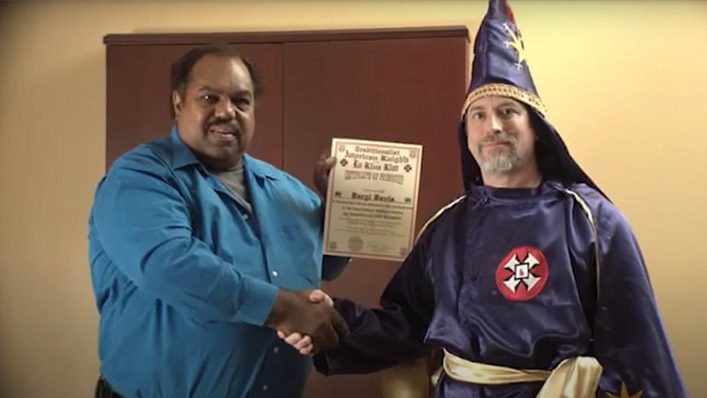
Black Musician Befriends 200 KKK Members – See How He Made Them Renounce Hate

0

Daryl Davis’s journey from musician to racial reconciler showcases the profound power of empathy and dialogue. His approach to racism, fueled by personal experiences of prejudice, is defined by his belief in understanding as a tool for transformation. His query to adversaries, “How can you hate me when you don’t even know me?” underlines his mission and frames his life’s work: turning foes into friends and transforming over 200 Ku Klux Klan members into allies, notably including former Imperial Wizard Roger Kelly.

An Unforgettable Night at the Silver Dollar Lounge

In the 1980s, Davis’s musical journey led him to a Maryland bar called the Silver Dollar Lounge, where he would confront racial prejudice in an unexpected manner. After a performance with his country band, where he was the only black member, Davis was approached by a white man who commended his performance but expressed surprise at his style, attributing such talent typically to white musicians like Jerry Lee Lewis. Davis educated the man about the black origins of Lewis’s style, leading to an astonishing revelation: the man was a member of the Ku Klux Klan. Despite the initial shock, this encounter sparked a friendship, challenging the man’s prejudices through personal connection and conversation.

Courageous Conversations: Davis’s Approach to Dissolving Hatred

Davis’s method is characterized by listening and patient engagement. His non-confrontational approach has prompted many, including Kelly, to abandon their ideologies, contributing to Davis’s count of over 200 converts. Despite facing criticism, Davis’s results underscore his belief in the effectiveness of open, honest dialogue to break down the walls of hatred.

Transformative Encounters and Recognitions

Davis’s engagements extend beyond conversions; they foster deep, personal connections. His unique relationship with Roger Kelly, culminating in Davis becoming the godfather to Kelly’s granddaughter, exemplifies the depth of change possible through empathy and conversation. His work, marked by awards and recognitions, underscores the societal impact of his approach to racial reconciliation.

12-Yr-Old Promises to Save Sex for Her Husband—On Her Wedding Day, He Reads This Letter

0

We kissed on the couch while watching a movie in his parents’ basement. He asked if I wanted to go further and I froze at the question.

How much further? Should I be cool and roll with it? Should I say no?

Questions raced through my mind, and in a panic, I excused myself to the bathroom before I could answer. After an awkward conversation, I drove home feeling like a super uncool loser who just lost the cool guy’s interest. I felt like the only girl in high school who couldn’t keep a guy’s interest long.

I encountered a similar situation early on in college. With slumped shoulders, I shuffled back to my dorm room after a disappointing evening, and mumbled under my breath,  DANG IT. THIS IS SO HARD!

When I got home, I knew exactly what to do though. I went to my room, opened my closet door and searched for that secret little box I kept tucked in the back shelf for days like these. I tore out a piece of notebook paper and began writing another letter to him.

It started just like all the others:

Dear Future Husband… 

You see, when I was just 12 years old, I promised to wait for my future husband. And that sounds like a pretty easy gig at 12 before puberty and cute boys really hit the scene. But throw in hormones, driving, dating, then college parties and cute boys who turn into hot men and WOO girl! Not so easy.

But when I made that promise, I wrote a letter to my future husband. Well, actually, I just filled in the blanks on the template that the purity conference people gave us middle schoolers, but it sparked something in my tiny heart, and over the years, I kept writing to my future husband before I ever saw his face or knew his name.

I’d write when I felt lonely, or when waiting was especially difficult, or even when I felt I may have pushed the limit and wrestled with shame. I’d write to him while I was in relationships with other men, I’d tell him about my frustration, or my broken hearts, or the ways I was praying for him.

Writing to my future husband in those seasons somehow lightened the burden. It made the waiting seem more doable and the hope I had been holding out for more tangible. While he was growing up in the Arizona desert and I in the Indiana cornfields, through the days he was working at getting a college scholarship, and playing college football, and chasing after God’s heart through his own struggles, I was writing to him. And on September 3, 2016, on the morning of our wedding, my groom opened a box of letters that had been addressed to him before he ever knew my name.

I’m going to openly share the very last letter that he read right before he switched from ‘future husband’ to ‘forever husband’ because you need to realize that I get it. I get that it’s not easy. I get that we make mistakes. I get that we struggle and wrestle with shame and impatience and all sorts of other ugly. And maybe you need a little real life, true story to remind your heart to believe that all things possible AND all things are redeemable.

So I pray this final letter to my future husband letter encourages you to write to yours, to love yourself enough to forgive yourself, and to love God enough to let Him plant within you His spirit of endurance and mercy:

Dear Future Husband,

It’s hard to believe that this is the last time I’ll ever write a Dear Future Husband letter to you because in just a few short hours you will no longer be my future husband but instead will become my forever husband. It’s hard to believe that the day we’ve dreamed of since we met is finally here. It’s hard to believe that our forever starts today. It’s hard to believe that I have the privilege of marrying a man like you—a man who loves like Jesus does, a man who serves with His whole heart, a man who is strong and brave, and a man who lets God lead His life no matter the cost.

 But on the other hand, it’s not that hard to believe because that’s just the kind of the God we serve—a God who is faithful to work all things together for the good of those who love Him (Romans 8:28).

When I was 13, my dad gave me a purity ring. Engraved inside of the band are the words: true love waits. In that moment, I promised to wait for my future husband and even signed a purity pact without hesitation (although I had no idea just how difficult that road could be). Nonetheless, I’ve worn that ring since the day it was given to me and done my best to be true to the promise my little middle school heart made to my earthly father, my Heavenly Father, and you, my Future Husband.

image-7

It wasn’t always easy waiting for you. It wasn’t always easy when boys would lose interest when I said no. It wasn’t always easy to explain to people all the reasons why I believed you were worth waiting for without even knowing your name yet. All I knew was that God’s design is more beautiful than anything this world could dream up—and that was worth waiting for even when it was hard.

 When I felt like giving up, I’d think of you and then I would write to you. I dreamed of one day giving all those letters to the man I married so that he would see how truly important he was long before I ever met him. Today, you are that man. And although some have since been misplaced, I pray you treasure these letters I’ve written to you over the years.  

 As I step out of my single life and into the mystery of marriage with you in Jesus name, I’m giving to you the purity ring my daddy placed on my hand when I was a young 13-year-old girl. In its place, I’ll wear the wedding band that you’ll place on my finger today as your bride.

Because you are and always have been the future husband that God designed for me, the one I’ve prayed for, hoped for and waited for all these years.

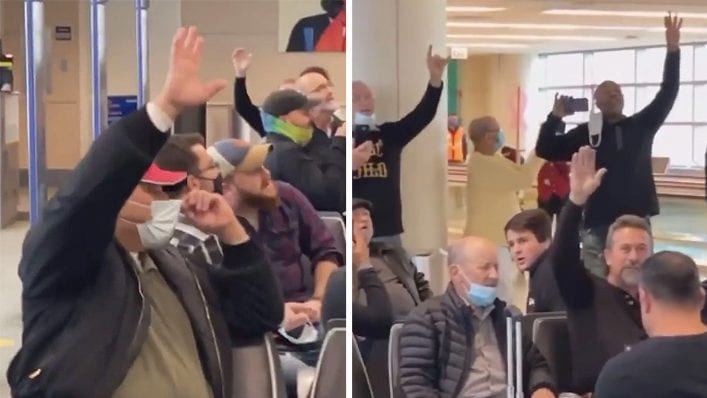
WATCH: Chicago Airport Passengers Erupt into Viral Worship Service Singing “Amazing Grace”

When we come to the end of ourselves and our own ability to control circumstances, surrendering to God is the only answer. Many across the world have begun to hit their knees in praise to the only entity that can sustain us: Jesus Christ.

This rightful praise for the King of Kings manifested in a beautiful way last week when a crowd of passengers at Midway Airport burst into worship at the prompting of a spirit-filled man preaching the Gospel.

“All you’ve gotta do is call on the grace of God,” the impromptu preacher at the terminal declared, before leading the group waiting at the Chicago airport gate in a chorus of “Amazing Grace.”

With hands raised high and infectious smiles radiating the joy of the Lord, it was clear that the Holy Spirit filled Concourse B at Midway Airport that day.

Following the worship session, the man leading the crowd began to lead the mass of people in the salvation prayer, to which many of the passengers emphatically responded–accompanied by “hoops” and “hollers.” God’s great glory and goodness were certainly on display.

The powerful moment was captured on a 3-minute video entitled “This is America” on Instagram. It has since amassed over a half million views, and touched thousands of people in their own personal way.

“I lost my mama two nights ago. My grief is deep along with my pain,” wrote one commenter, @trishelery. “Seeing this brings me some welcome relief & renewal of my own faith in God’s plan for us all. Thank you for sharing this.”

Check out the riveting airport worship video below:


View this post on Instagram


Have a great night, everyone. Cred: @natly.denise

A post shared by D.R. (@midnight_rider17) on

If this praise and worship session inspired you too, please SHARE it with the ones you love today. Because our hurting world needs a little less fear, and a LOT more Jesus.

Living for God: Practical Steps and Biblical Principles for a Purposeful Life

0

Living for God is more than just a religious concept; it’s a lifestyle that encompasses surrendering one’s will, cultivating spiritual habits, serving others, and prioritizing God above all else. In this comprehensive guide, we will explore practical steps and biblical principles for living a life that honors and pleases God.

Understanding Living for God

Living for God involves surrendering your will and seeking God’s plan for your life. It’s about aligning your desires, actions, and priorities with His divine purpose and will. This journey begins with a heart surrendered to God, ready to follow His guidance and direction.

Practical Steps to Living for God

  1. Cultivate Daily Spiritual Habits: Develop a consistent routine of prayer, Bible study, and worship. These practices help nourish your relationship with God and keep you grounded in His truth and presence.Bible Verse: “But his delight is in the law of the Lord, and on his law he meditates day and night.” (Psalm 1:2)
  2. Serve Others with Love and Compassion: Jesus modeled a life of servanthood, demonstrating love and compassion towards others. Look for opportunities to serve and bless those around you, reflecting the love of Christ in your actions.Bible Verse: “For even the Son of Man came not to be served but to serve, and to give his life as a ransom for many.” (Mark 10:45)
  3. Resist Temptation and Prioritize God: Temptations and distractions abound in the world, but as followers of Christ, we are called to resist them and prioritize God above all else. Stay grounded in His Word, seek His strength in times of temptation, and keep your focus on Him.Bible Verse: “Submit yourselves therefore to God. Resist the devil, and he will flee from you.” (James 4:7)
  4. Listen to God’s Guidance: Prayer and meditation are essential components of living for God. Take time to listen to God’s voice, seeking His guidance and direction for your life. Trust in His wisdom and follow His lead.Bible Verse: “Trust in the Lord with all your heart, and do not lean on your own understanding. In all your ways acknowledge him, and he will make straight your paths.” (Proverbs 3:5-6)

Addressing Common Questions

  • How to live for God everyday?: Cultivate daily spiritual habits, serve others, resist temptation, and listen to God’s guidance through prayer.
  • How do I live my life for Jesus?: Follow His teachings, cultivate a relationship with Him through prayer and study, and seek to emulate His love and compassion.
  • How does the Bible say to live for God?: The Bible instructs us to surrender our will to God, cultivate spiritual habits, serve others, resist temptation, and prioritize God above all else.

Real-Life Examples of People Who Live for God

  1. Mother Teresa: Mother Teresa, also known as Saint Teresa of Calcutta, devoted her life to serving the poorest of the poor in India. Through her selfless acts of love and compassion, she exemplified what it means to live for God by serving others with humility and kindness.
  2. Billy Graham: Reverend Billy Graham was a renowned evangelist who dedicated his life to spreading the gospel message around the world. His commitment to sharing the love of Christ and leading others to faith exemplifies a life lived for God’s purposes.
  3. Corrie ten Boom: Corrie ten Boom was a Dutch Christian who, along with her family, helped many Jews escape the Nazis during World War II. Despite facing immense persecution and suffering in concentration camps, she continued to trust in God’s faithfulness and forgiveness, inspiring others to live courageously for Him.
  4. Nick Vujicic: Nick Vujicic is a motivational speaker and evangelist born without limbs. Despite facing numerous challenges and setbacks, he has dedicated his life to sharing his faith and inspiring others to find hope and purpose in God. His resilience and unwavering faith serve as a powerful example of living for God’s glory.
  5. Bethany Hamilton: Bethany Hamilton is a professional surfer who lost her arm in a shark attack at a young age. Despite this tragedy, she continued to pursue her passion for surfing and used her platform to share her faith in God. Her resilience and determination to overcome obstacles inspire others to live boldly for God’s purposes.

These individuals, among many others, demonstrate that living for God is not just a theoretical concept but a practical reality that can be lived out in everyday life. Through their acts of love, service, and faithfulness, they inspire others to do likewise and bring glory to God in all they do.

Embracing a Life of Purpose and Fulfillment

Living for God is a journey of surrender, obedience, and devotion. As you cultivate daily spiritual habits, serve others, resist temptation, and seek God’s guidance, you will experience a deeper intimacy with Him and a sense of purpose and fulfillment that transcends worldly pursuits. May you be inspired to live a life that honors and pleases God in all that you do.