
Exclusive Content:

33 Bible Verses About Faith, Hope, and Trust to Use in Prayer During Hard Times

May these Bible verses about faith in hard times be what you need to be lifted up whether you find yourself in the depths of a valley or atop a mountain in this cycle of life today!

90 Bible Verses to Remind You That God’s Love Is Unconditional

Let these Bible verses remind you that God's love is unconditional. And, don't forget love one another just like God first loved us.

Boy Crawls into Stranger’s Arms at Football Game— His Aunt Hunts Her Down With Powerful Facebook Post

"I don’t know who this lady is... she waved at him and he made his way up to her. I thought their interaction would be the same as last time but I was wrong. "
Home Blog Page 56

‘I Am 1 of 7 Kids in My Birth Family. I Was the ONLY Child Put Up for Adoption.’: Daughter’s Self-Love Journey Seals Her ‘Solid Belief in God’

“I was adopted at two weeks old from a small city in the country of Colombia called Bucaramanga. My parents have 4 biological children of their own. About 7 years after their youngest was born, my parents both got a prompting by themselves that they needed to adopt. My mom and dad decided to go on a drive, and my dad told my mom, ‘I think we need to adopt.’ My mom was shocked, and she told him, ‘I was going to tell you the same thing.’ My mom then headed down to Colombia and stayed there for a month until she could go to court there and bring me back home to the states.

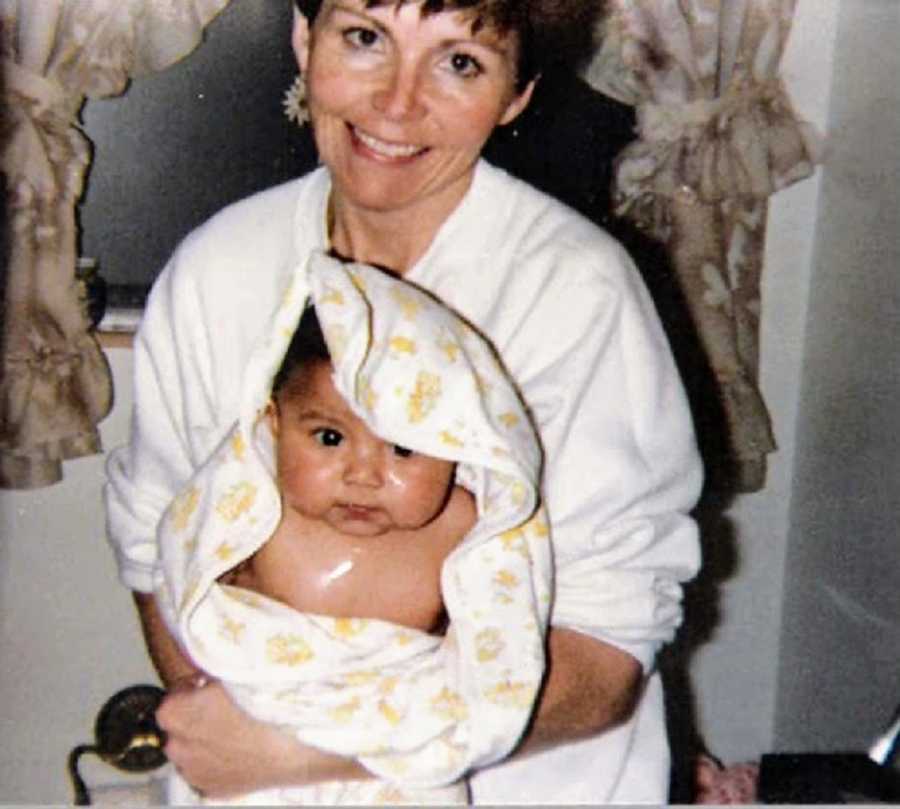
Courtesy of Melaina Rogers

Growing up, I had two older brothers and two older sisters. I always knew they loved me, but we were so far apart in age, sometimes it was hard because we were on different levels. I am the only Hispanic person in my family. The rest of my family are caucasian. My parents were amazing and still took me on lots of fun trips. I remember going on lots of trips with them since I was younger, and they always did all they could to make it fun. One thing for sure is my parents made it a mission to let me know I was loved by them so much. I never felt anything less from either one of them.

Courtesy of Melaina Rogers

My mom worked part-time, and I remember playing with my friends a lot in the neighborhood I grew up in. There is no doubt there were four of us who played together all the time. There were two others who were also far apart in age from their siblings, so we were the best of friends. I don’t remember a day we didn’t play. They were what I needed growing up, and I am forever grateful for them and the memories we made. All the kids I played with were caucasian as well, but they never made me feel different from them.
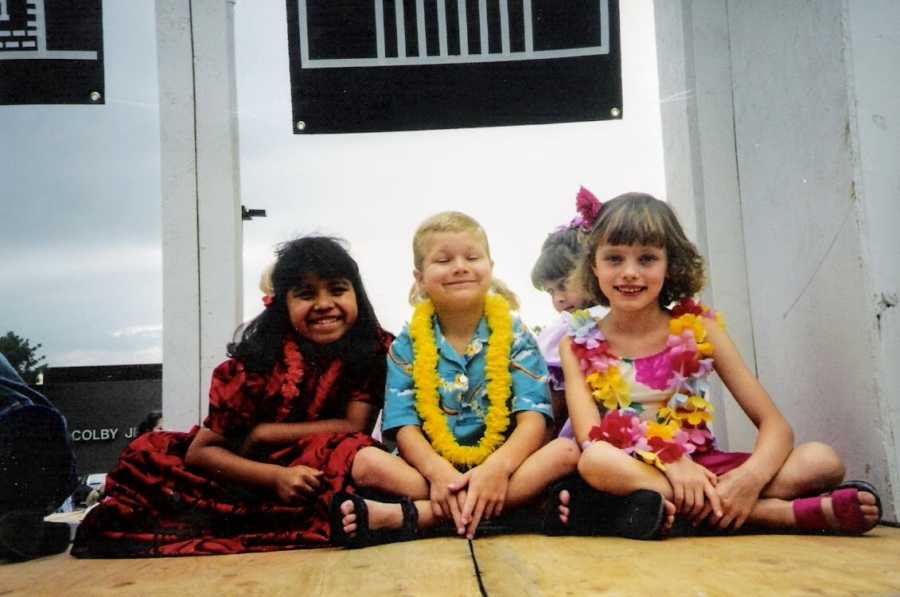
Courtesy of Melaina Rogers

Growing up, I remember people always telling me how beautiful my skin was. My mom would get asked a lot, ‘Do you think she will know she is adopted?’ My mom always answered yes since I didn’t look like them. My parents were always very open about my being adopted, and I appreciated that growing up. Looking different from them was always one of the hardest things growing up. I always wondered what it would be like to see people who looked like me. It was hard, but I hoped one day I could get married and have babies of my own, and then I would have people who looked like me.

Courtesy of Melaina Rogers

My parents framed a picture of my birth mom, an older brother, and an older sister, and I kept it in my room. My parents were very open about how my birth mom wanted a better life for me and how she was so wonderful and gave me up for adoption. They would always answer questions for me. They told me I had another older brother who lived with our grandmother at the time. They expressed nothing but love for her and how grateful they were for her every day.

RELATED: Divorced Woman Adopts 2 Babies Out of Foster Care, Learns Her ‘Irish Twins’ Are Actually Siblings
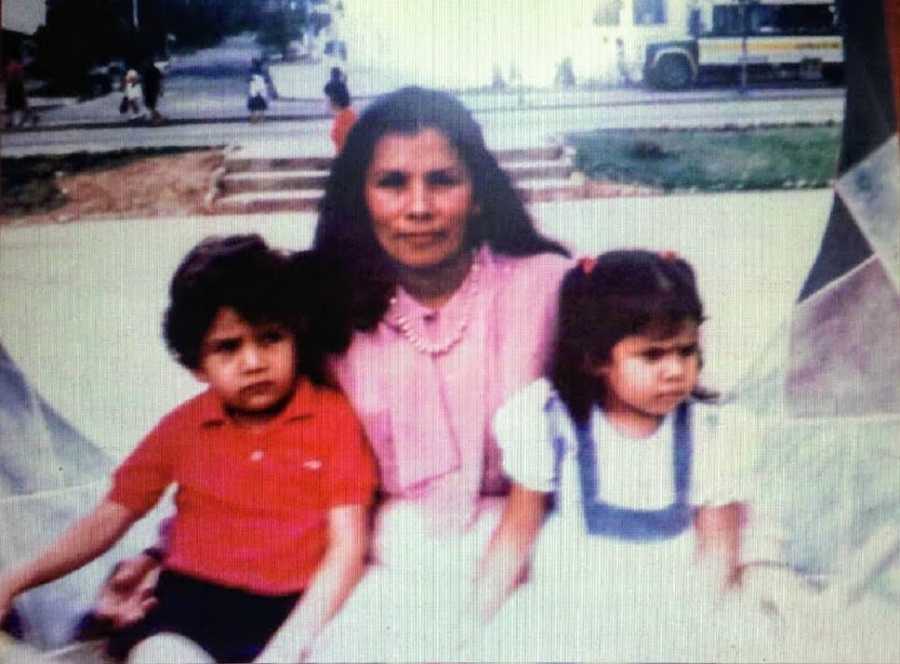
Courtesy of Melaina Rogers

As I grew up, I never really wanted to seek out my birth family. I came from Colombia, and I was scared because when I was born, drugs were so prevalent there. I continued to make friends and be grateful for everything I had.

I met my husband and still never had an interest in seeking out my birth family. I was happy, loved life, and honestly, it scared me to death to even want to try to seek them out.
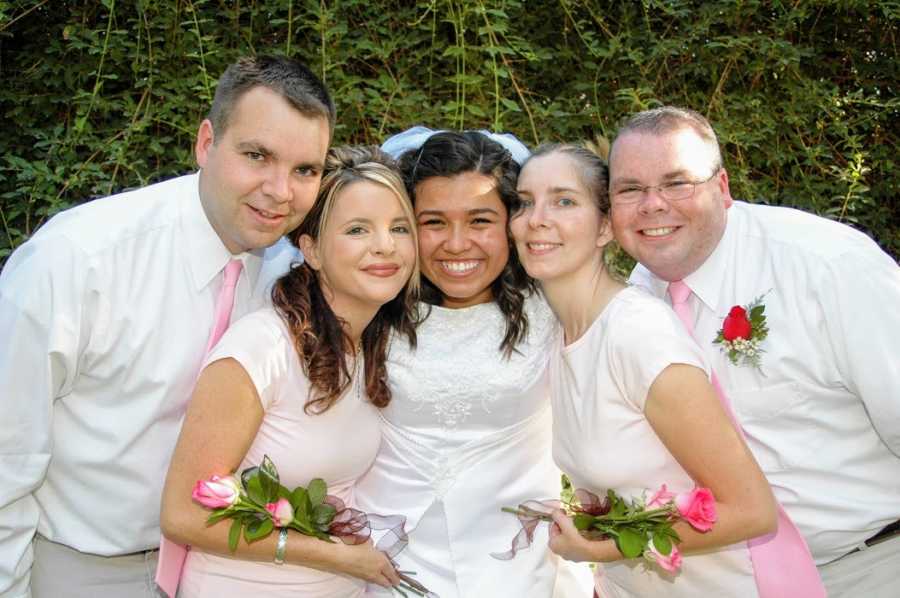
Courtesy of Melaina Rogers

It started to change as we started to have kids. My firstborn was a beautiful baby girl, and when I held her, I couldn’t believe I had someone with some of my features. As she has gotten older, I now have a miniature version of myself, and it is so crazy yet wonderful to me. I then had my second child, and he was a boy, and it was again so much fun to see he got my same cheek dimples. His smile just melted me. It was a part of my heart that was always missing to see people who looked like me, and it was even crazier that I made them.

Courtesy of Whitney Palmer

When I turned 30, a lot started to change about what I wanted in life. I was not happy with myself. I had an amazing husband who loved me and would do anything for me, but I didn’t love myself or see the girl he saw. I decided to take the reins on my health. I also started to wonder more about my birth family and if it would even be possible to find them because they were in a different country. It was scary. Is my birth mom alive? Does she even want to meet me? What is going to happen? All I wanted to do is thank her from the bottom of my heart for all she has given me.

I started to do Facebook Lives to see if I could get any traction because social media is crazy these days. I started to search for names from people on the papers my parents had saved who were involved with my adoption. My parents helped out with names as well. I searched all over Facebook and found a few, but they were all dead-ends. Everyone told me to hire a private investigator, which I didn’t want to do. I decided to keep making videos. Sure enough, about four videos later, I had a friend from high school reach out to me. She told me she has loved watching my videos and had a friend post who wanted to help someone find their birth family for free. The only thing she stated is they couldn’t be upset with the outcome or how long it would take.

RELATED: “I Was 15 Years Old & 7 Months Pregnant. No One Knew”: Scared Teen Mom Puts Daughter Up for Adoption, Says ‘I Can See Jesus Through Each Step of Her Story’

We connected, and she started digging. I would hear from her off-and-on over the next couple of months. My husband started a job just before we had our second child, and the first place he was asked to go was to Colombia. There was no coincidence there. He met a friend who lived there and works with him often. He also helped us dig around, and he found my birth mom was in fact still alive and on their welfare system there. It then was a dead-end and a bit of a standstill.

I remember when I got a message from the searcher saying she thought she had found my birth mom. I was sitting in a movie theater, and the movie had just ended. I was there with my cousin and my husband, and we all couldn’t believe it. The searcher then started to give me names of siblings, and I started to reach out to them over Facebook. They were very skeptical because they had no clue I existed. She never told them. Of course, they wanted proof, and I was able to show them a letter with my birth mom’s signature and her ID number in Colombia, and they couldn’t believe it. There was then contact made to a brother, and he said she wanted to meet me. I was so scared, and it had gone by so fast. I couldn’t believe it took just a few short months to find her.

As I started to tell family and friends, most of them were so supportive, but they were also so cautious. I get it because the unknown is scary and you aren’t sure what people may or may not want from you when you meet them. I think overall, no one wanted me to get hurt or taken advantage of. They all knew it was my choice and decision, and they let me do what I needed to do.

As I found out more about them and started chatting with them, it all became so surreal. Our friend who works with my husband in Colombia said he would call my birth mom and talk to her if I wanted him to. He did and told me how much she loved me. She started to pray for my happiness and health about the same time I started doing my live videos.

I am 1 of 7 children in my birth family. I am smack-dab in the middle of them. I was the only child placed for adoption. When I found this out, more thoughts started to race in my head. Why was I the only one given up for adoption? What is wrong with me? Did she not love me like she loved them? Your mind likes to take you to the worst place when there is the unknown.

My youngest brother speaks English and Spanish, and this is no coincidence. He lives with his godmother, and she has kids who live in the States. They travel back and forth all the time. When they would come home to Colombia, they would only speak English to him. I know for a fact God had a hand in this. He knew.

We then set up a meeting to talk on Father’s Day of 2017. We did a video chat. I wasn’t sure how well my little brother’s English was, so I had my brother here come and help me since he speaks Spanish. They answered and my little brother spoke English so well and asked, ‘Would you like to talk to our mom?’ I said, ‘Of course!’ We then saw each other and started to cry. It was crazy, and the love and emotion we felt for each other just over the phone were like nothing I have ever felt before. I then got to meet the rest of the family. Everyone was in tears, and it was such a happy moment.

Courtesy of Melaina Rogers

I now get to have them in my life. It has been fun building those relationships with them and getting to know them. As I watch them on video, it is still so weird to see people who look like me and have some similar mannerisms.

Courtesy of Melaina Rogers

Adoption has taught me so many things. It doesn’t matter what your family looks like, there is always room for love. You can love more than one family, and that is okay. I love being an adoptee because I have such a wonderful life from all the blessings that come from adoption. I want people to see the unknown is scary, but you will never know unless you put yourself out there. I think it is so important to share adoptee stories and see their perspectives. I know all stories aren’t like mine or as blessed as mine, but I am grateful for it all.
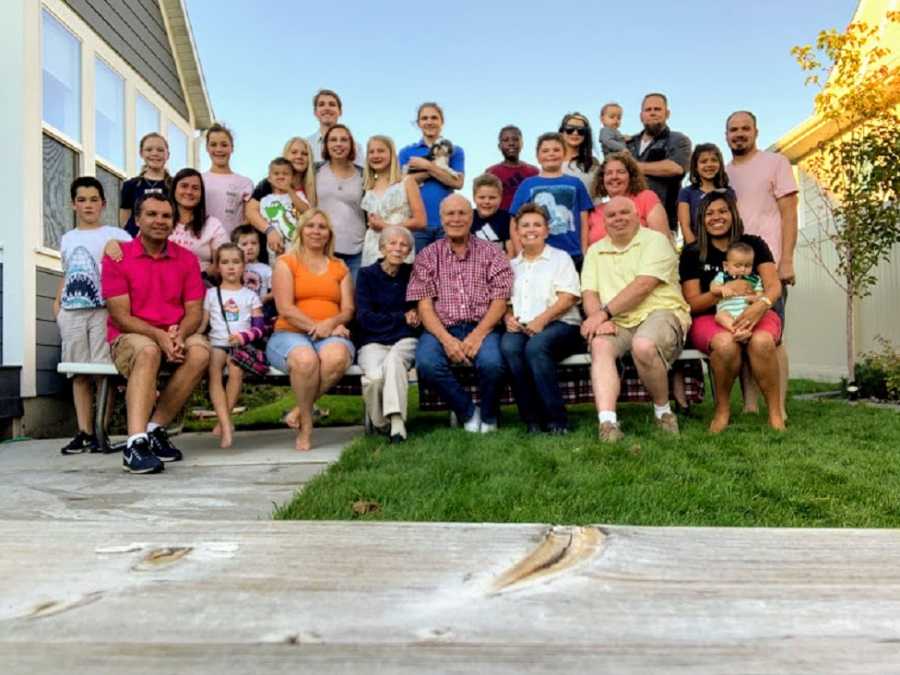
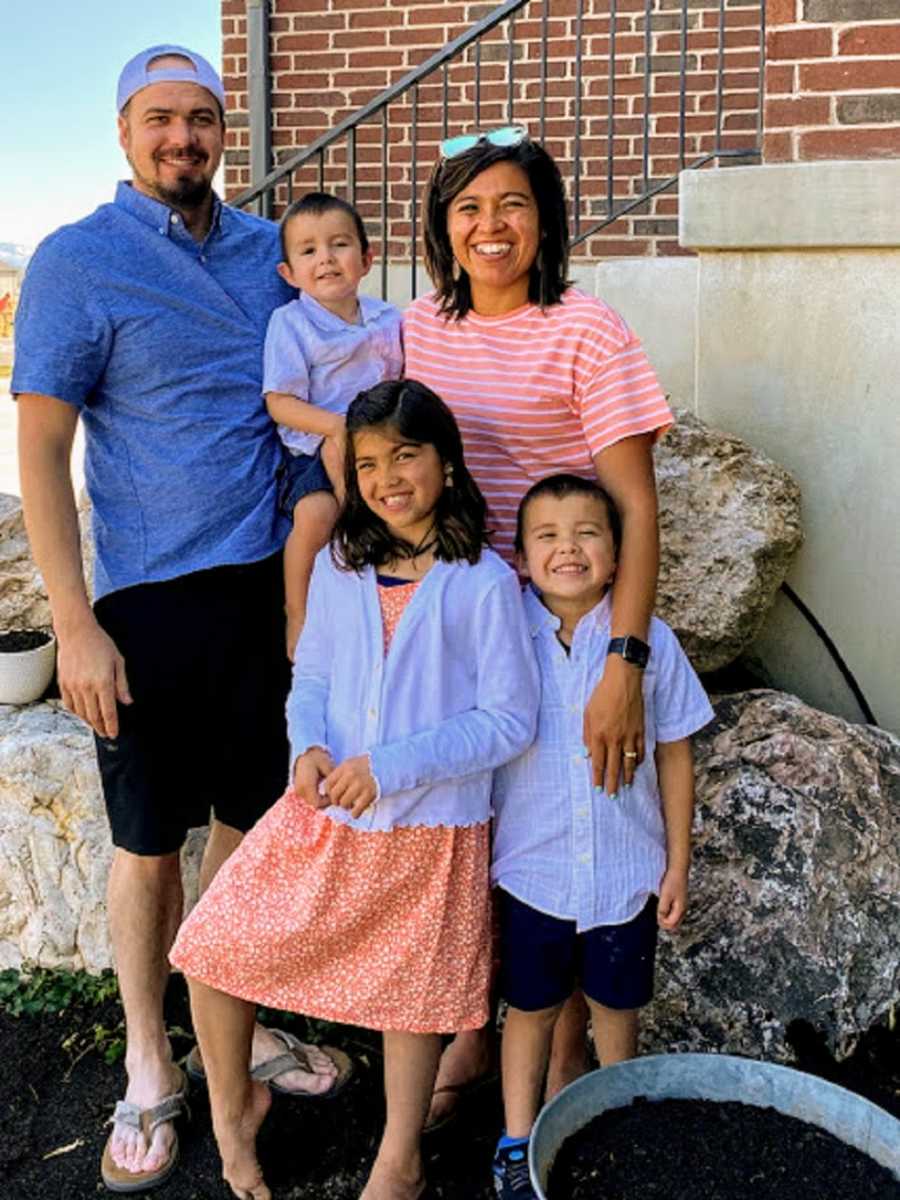
Courtesy of Melaina Rogers

The most important takeaway I have had throughout this whole journey is my belief in God. I never had a solid belief in God until I started on a journey of self-love and putting myself out there to find my birth family. It is never too late if you want to do something that will challenge you and forever change your life.

I say go for it! Open your heart, but also keep it guarded and protected how you see fit. You know what is best for you.”
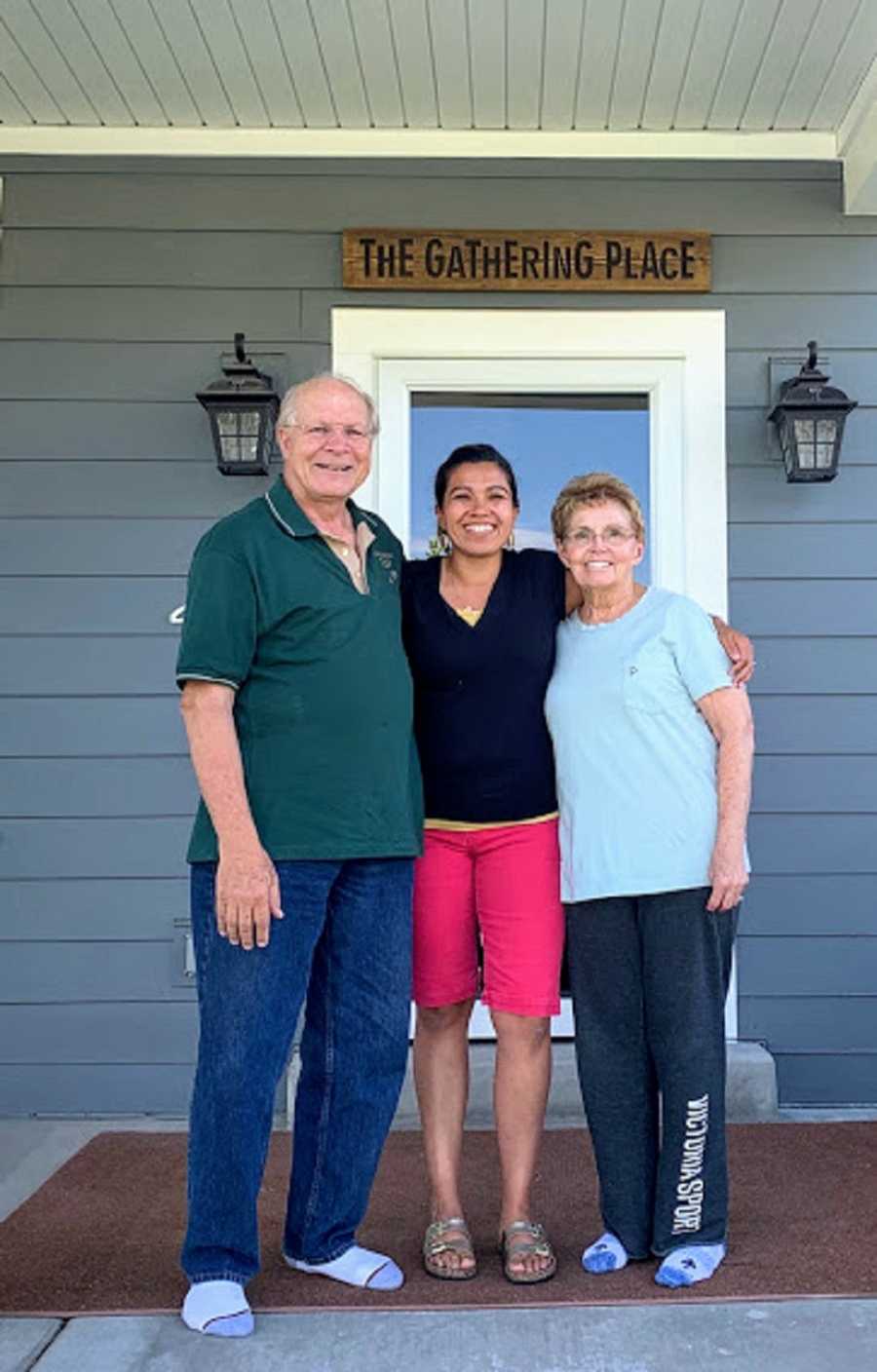

Courtesy of Melaina Rogers
Courtesy of Whitney Palmer
Courtesy of Melaina Rogers

**This story was written by Melaina Rogers of Layton, Utah. Follow her journey on InstagramFacebook, and YouTube.

‘When You Get Home to Your Spouse, Put a Smile On. It Doesn’t Matter How Crummy Your Day Went’: Husband Reminds Us Our Family Deserves the Best Version of Ourselves

0

“Years ago I learned something from Brené Brown that I still use every single day:

When you get home to your spouse/kids/dog etc..

Before you open the door

Put a smile on your face!

It doesn’t matter how your day went. Or what you’re doing next. Or if you’re starving.

For 30 seconds, at least pretend that you’re elated to see them.

Make them feel like you were looking forward to getting back home.

After all, they’re your favorite people in the whole world. I hope.

Now, I know what you’re thinking: “That seems like a cheesy, tiny thing, man. Hardly an earth-shattering revelation.”

But your attitude sets the tone for the rest of the evening within 15 seconds of walking in the door.

So really, it’s not tiny at all. It’s a huge deal.

Because you come home every day. And the things you do every day grind on you.

Jordan Peterson says if you can fix 25 little things like “coming home,” you will have an extraordinary life.

Taking your family to Disneyland is insignificant.

Your kid’s expensive birthday party will be forgotten within weeks.

Coming home?

That’s your whole life. Fix it.

Start today.”

**This post was written by Benjamin Holmgren and originally appeared on his Facebook page

30 Ultimate Bucket List Ideas: Ignite Your Passion for Adventure and Growth

0

Creating a bucket list is more than just a whimsical exercise; it’s a blueprint for living life to its fullest. Whether you seek adventure, personal growth, or unique experiences, a well-crafted bucket list can guide your aspirations and inspire action. We’ve compiled a host of bucket list ideas, designed to spark your imagination and motivate you to start checking off those life-long dreams.

Embark on a Journey: 30 Bucket List Ideas to Inspire Your Adventures

Adventure and Travel

  1. Witness the Northern Lights: Experience the ethereal beauty of the Aurora Borealis, best viewed from places like Iceland, Norway, or Alaska.
  2. Explore the Galápagos Islands: Get up close with unique wildlife in one of the most biodiverse locations on Earth.
  3. Hike the Inca Trail to Machu Picchu: Follow ancient paths through the Andes to reach the iconic lost city of the Incas.
  4. Road Trip on Route 66: Drive the historic route from Chicago to Santa Monica, exploring the heart of America along the way.
  5. Safari in the Serengeti: Witness the majesty of African wildlife in its natural habitat, from lions to elephants and beyond.

Personal Growth and Learning

  1. Learn a New Language: Open up a new world of communication and culture by becoming fluent in another language.
  2. Write a Book: Share your stories, knowledge, or imagination with the world through the written word.
  3. Take a Cooking Class from a Renowned Chef: Enhance your culinary skills and learn to cook gourmet dishes.
  4. Earn a Degree or Certification in a Field You’re Passionate About: Commit to lifelong learning and personal development.
  5. Practice Meditation for a Year: Cultivate mindfulness and inner peace through regular meditation.

Challenges and Achievements

  1. Run a Marathon: Push your physical and mental limits by training for and completing a 26.2-mile race.
  2. Climb a Mountain: Whether it’s a local peak or one of the world’s highest, like Kilimanjaro or Everest Base Camp.
  3. Skydive: Experience the ultimate thrill of free-falling from thousands of feet in the air.
  4. Complete a Triathlon: Challenge yourself with a race that combines swimming, biking, and running.
  5. Live Abroad for a Year: Immerse yourself in a new culture, lifestyle, and community by living in another country.

Creativity and Expression

  1. Exhibit Your Art in a Gallery: Share your creative expression with the world through an art exhibition.
  2. Publish a Photography Book: Compile your best photographs into a book to share your vision and moments captured.
  3. Record a Song or Album: Put your musical talents to the test by recording your music.
  4. Design and Build Your Dream Home: Bring your vision of the perfect living space to life.
  5. Start a Blog or YouTube Channel: Share your passions, insights, and experiences with a global audience.

Giving Back and Making a Difference

  1. Volunteer in a Developing Country: Offer your time and skills to make a difference in the lives of others.
  2. Plant a Tree for Each Year of Your Life: Contribute to the environment by planting trees.
  3. Start a Charity or Nonprofit Organization: Focus on a cause you’re passionate about and work to make a positive impact.
  4. Fundraise for a Cause You Believe In: Rally support and resources for a project or organization making a difference.
  5. Teach or Mentor Someone: Share your knowledge and experience to help others grow and succeed.

Jill Duggar Dillard Suffers Pregnancy Loss, Announces Stillbirth of First Daughter

Jill Duggar Dillard and her husband Derrick Dillard are grieving this week after suffering a heartbreaking pregnancy loss. 

In a joint Instagram post on April 13, the couple revealed the stillbirth of their daughter, Isla Marie Dillard, during Jill’s fourth month of pregnancy. 

“It is with heavy hearts that we announce the stillbirth of our beautiful baby girl, Isla Marie Dillard.” 

The couple, who was due with their first girl in August, wrote that they found out their daughter died in utero at four months gestation. 

“From the moment we found out we were pregnant, we couldn’t wait to meet our baby,” the couple wrote. “Isla was much loved from the start, and her 3 big brothers were so excited to introduce her to their world.” 

The caption accompanied a photo of Jill and Derrick holding their tiny baby girl in a bed, as they look down at what appears to be her itty bitty body, wrapped in a pink crocheted hat and blanket. 


View this post on Instagram


A post shared by Jill (Duggar) Dillard (@jillmdillard)

“We appreciate your prayers as we continue to grieve and heal from the loss of our little Isla Marie.”

The Dillards are parents to three boys: Israel, 9, Samuel, 6, and Fredrick, 1.

Before their youngest, Fredrick, was born in July 2022, Duggar Dillard and Dillard opened up about their experience with pregnancy loss in a family blog post shared October 2021.

After Jill Duggar Dillard discovered she was pregnant and announced the news to her family in 2021, she started to miscarry “a few days later,” they wrote on their blog.

“Even though it was too early to tell the baby’s gender, we picked a name that we feel encompasses our baby’s significance and the life we will always remember: River Bliss Dillard,” they added.

Jill along with her sisters Jessa, Jinger, and Joy Anna have all openly discussed their miscarriages in the past. Just last march, Jessa Duggar Seewald, revealed that her and husband Ben had lost a baby over the 2022 holidays. In October, the couple announced they were pregnant again with a rainbow baby. 

According to the March of Dimes, for women who know they’re pregnant, about 10 to 20 percent of pregnancies end in miscarriage. 80 percent of miscarriages happen in the first trimester before the 12th week of pregnancy.

Pregnancy losses that happen after 20 weeks gestation are called stillbirths. 

Jill Duggar Dillard and Looking Ahead

In September, the couple released their first book Counting the Cost, a memoir, in which Jill and Derrick open up for the first time about the “secrets, manipulation, and intimidation” behind Jill’s famous family’s show, 19 Kids and Counting. 

Last year, the couple also appeared in the Amazon Prime docu-series, “Shiny Happy People,” which exposed the abusive ways of her ultra-fundamentalist family, and the cult-like conservative Christian organization they followed, the Institute of Basic Life Principles (IBLP). 

Since the release of both the series and Counting the Cost, Jill has used her social media to share more insights into the toxic culture her family embraced.

Beyond ‘Sorry for Your Loss’: 14 Meaningful Ways to Express Condolences

0

In moments of grief and loss, words often feel inadequate. The phrase “I’m sorry for your loss” has become a standard condolence message, yet many of us search for something more meaningful to say or do—a way to convey our sympathy and support without sounding cliché. Below you’ll find alternative ways to say “sorry for your loss” and gestures that can help communicate your empathy and support in a more personal and heartfelt manner.

Grief is a profoundly personal experience, and offering condolences is a delicate art. While “I’m sorry for your loss” is a universally recognized expression of sympathy, it may not capture the depth of empathy we wish to convey. In the search for more personal and impactful ways to express our condolences, it’s important to consider both the words we use and the actions we take to support those mourning a loss.

Expressing Condolences: Beyond the Usual “I’m Sorry for Your Loss”

1. Acknowledge Their Pain

  • “I can’t imagine how hard this is for you.”
  • “This must be incredibly tough for you.”

2. Share Memories

  • “I will always remember [the deceased] for their incredible kindness.”
  • “One of my favorite memories of [the deceased] is…”

3. Offer Specific Support

  • “I’m here if you need someone to listen, anytime.”
  • “Can I bring you dinner tomorrow night?”

4. Recognize Their Grief

5. Extend an Invitation

  • “Would you like to talk about [the deceased]? I’d love to hear more about your favorite times with them.”

6. Offer Hope and Comfort

  • “In time, I hope your pain eases, and your fond memories bring you comfort.”
  • “May the love you shared with [the deceased] bring you solace in this difficult time.”

Actions Speak Louder: Gestures of Condolence

Words are only one part of expressing sympathy; actions can often convey much more. Consider these gestures:

7. Create a Memorial

  • Organize a virtual memorial where friends and family can share stories and memories.
  • Plant a tree or create a garden in memory of the deceased.

8. Offer Practical Help

  • Help with daily chores, such as cleaning, shopping, or looking after pets.
  • Offer to help with funeral arrangements or paperwork.

9. Give Thoughtful Gifts

  • Create a memory book with photos and stories of the deceased.
  • Donate to a charity important to the deceased or their family in their name.

10. Be Present

  • Sometimes, just being there, even in silence, can offer immense comfort.
  • Check-in regularly, not just in the immediate aftermath but in the weeks and months following.

11. Encourage Self-Care

  • Gift a spa day, a comforting meal service, or anything that encourages relaxation and self-care.
  • Offer to join them in a relaxing activity when they’re ready, like a walk in nature.

Navigating the Journey of Grief Together

12. Listen Without Judgment

Grieving individuals often need to express their feelings without seeking advice or solutions. Be a compassionate listener, allowing them to share their thoughts and emotions freely.

13. Acknowledge Anniversaries and Special Dates

The pain of loss can resurface on birthdays, anniversaries, and holidays. Remembering these dates and reaching out can show enduring support and remembrance.

14. Understand Everyone’s Grief is Unique

Respect that each person’s path through grief is personal. Avoid comparing their experience with others or rushing them through their process.

Knowing how to say “sorry for your loss” is a deeply personal gesture that can significantly impact those mourning a loss. Moving beyond “I’m sorry for your loss” to more personalized expressions of sympathy and support can help convey your genuine care and empathy. Remember, it’s not just about finding the “right” words or actions but about showing up, being present, and offering your support through this challenging time. In the end, the most important message to convey is that they are not alone, and their feelings are acknowledged and validated.

Navigating the complexities of grief requires patience, understanding, and a willingness to offer support in various forms. By considering the suggestions above, you can provide a comforting presence to those experiencing loss, making a meaningful difference in their journey through grief.

Goodbye Us, Hello Me — Embracing the Single Life Post-Relationship

0

Singlehood: the societal equivalent of being the last one picked for dodgeball. Just kidding! In reality, being single is less about sitting on the sidelines and more about having the freedom to dance through life’s buffet, sampling everything on offer without someone else stealing fries off your plate. Let’s dive into how you can embrace being single with all the enthusiasm of a kid in a candy store—minus the inevitable sugar crash.

8 Refreshing Perspectives on How to Be Single

Rediscover Your Joys

1. Become Your Own Best Date: Why wait for someone else to take you out? Dress up for yourself, choose the fanciest restaurant your wallet can mildly complain about, and enjoy a meal. The best part? You don’t have to share your dessert, and the only bad table manners you’ll need to endure are your own.

2. Solo Travel Adventures: Traveling alone might sound like the plot of a horror movie if you’re used to group trips, but it’s actually a blast. Want to wake up at noon? Go for it. Spend the day museum-hopping or lazing on the beach? The world is your oyster, and there’s no one to tell you otherwise.

Mastering the Art of Solo Living

3. The Joy of Choice: Revel in making decisions based on your own wants and needs. Paint your living room neon green if you feel like it, adopt seventeen cats, or learn to play the bagpipes at 3 AM. The point is, your choices are yours alone.

4. Develop a Solo Ritual: Create a ritual that celebrates you. Whether it’s a weekly spa day, a night dedicated to painting, or cooking a gourmet meal for one, make it special. This is about treating yourself with the love and respect you deserve.

Navigating the Sea of Couple-Centric Holidays

5. Valentine’s Day – The Day of Self-Love: Who says Valentine’s Day is just for couples? Treat it as a day to go all out in self-love. Buy yourself that gadget you’ve been eyeing, have a movie marathon of your favorite guilty pleasures, or simply enjoy a quiet evening indulging in your favorite books or games.

6. Weddings – The Solo Warrior: Attending weddings alone can feel like entering the lion’s den, but it’s actually a prime opportunity to rock your independence. Enjoy the free food, dance like no one’s watching (because, honestly, they’re not), and if you’re feeling adventurous, catch that bouquet – it’ll make for a great story.

RELATED: To the Single Mom at Christmas

Embracing the Freedom

7. Explore New Hobbies: Always wanted to try pottery or kickboxing? Now’s the time! The beauty of being single is having the time and freedom to explore new interests without worrying about whether someone else enjoys them.

8. The Solo Bucket List: Create a bucket list of things you want to do alone. It could be as simple as dining solo at a fancy restaurant or as daring as skydiving. The goal is to create memorable experiences that are uniquely yours.

Learning how to be single again is an adventure in its own right, a chance to explore the depths of your personality and passions without distraction. It’s a time for growth, self-discovery, and a whole lot of fun. So, embrace your single status with pride and a sense of humor, knowing that this chapter of your life is about celebrating the most important person in your world: you.

RELATED: Newly Divorced? Hope After Divorce for the Single Man or Woman

And remember, the next time Valentine’s Day rolls around and you find yourself surrounded by couples holding hands and staring into each other’s eyes, lift your head high. You’ve got a date with destiny, adventure, and maybe a nice bottle of wine (or two). After all, being single isn’t just a phase; it’s a lifestyle choice that can lead to some of the most fulfilling experiences of your life. So, here’s to you, the happy, thriving, and wonderfully single individual. Cheers!

How to Break Up with Someone: A Compassionate Step-by-Step Guide

0

No one enters a relationship with the intention of it ending. Yet, various reasons—such as diverging life paths, incompatibility, or unresolved issues—can lead to the realization that it’s best to part ways. Breaking up is a significant emotional undertaking, and handling it with care is crucial for your own emotional health and that of your soon-to-be ex-partner. We’ve compiled a step-by-step guide to walk you through how to break up with someone.

Step-by-Step Guide: How to Break Up with Someone

Step 1: Reflect on Your Decision

Before initiating a breakup, it’s important to be sure of your decision. Reflect on your reasons for wanting to end the relationship. Consider speaking to a trusted friend, family member, or therapist to help clarify your feelings. Ensure that breaking up is what you truly want and not a decision made in the heat of the moment.

Step 2: Choose an Appropriate Time and Place

Timing and setting can significantly impact how the conversation goes. Choose a private, quiet place where you can talk without interruptions. Avoid public places where emotions can be heightened by the presence of others. Also, pick a time when neither of you is rushed or stressed.

Step 3: Prepare Yourself Mentally and Emotionally

Brace yourself for a range of emotions—from relief to grief, guilt, and anger. Remember, it’s normal to feel sad and conflicted even if you’re the one initiating the breakup. Prepare for the conversation by knowing what you want to say. It can be helpful to jot down your thoughts beforehand.

Step 4: Communicate Clearly and Respectfully

Begin the conversation with honesty and clarity. Use “I” statements to express your feelings and avoid blaming or criticizing your partner. For example, “I feel like our paths are going in different directions, and I think it’s best if we end our relationship.” Be firm in your decision, but also compassionate and empathetic to their feelings.

Step 5: Listen to Their Response

After you’ve expressed your feelings, give your partner the space to share theirs. They may have questions or emotions they need to express. While it can be challenging, try to listen without getting defensive or argumentative. This conversation is not about winning but about closing a chapter in your lives with respect and dignity.

Step 6: Discuss Practical Matters

Depending on your situation, you may need to discuss logistical details such as moving out, dividing possessions, or co-parenting. Approach these discussions with fairness and patience, understanding that emotions may run high.

Step 7: Establish Boundaries Post-Breakup

Decide what your relationship will look like moving forward. This may include setting boundaries around communication, social media, and mutual friends. It’s often helpful to have a period of no contact to allow both parties to heal.

Step 8: Seek Support

After the breakup, lean on friends, family, or a therapist for support. It’s an emotional time, and having a support system is crucial for healing. Engage in activities that bring you joy and fulfillment as you navigate this transition.

Step 9: Reflect and Learn

Take time to reflect on the relationship and the breakup. Consider the lessons learned and how they can be applied to future relationships. This is a time for growth and self-discovery.

Breaking up with someone is never easy, but it can be done with grace, respect, and care for each other’s well-being. By preparing yourself, choosing the right moment, and communicating clearly and compassionately, you can navigate this challenging conversation. Remember to take care of yourself emotionally and seek support from loved ones as you move forward. The end of a relationship can be the beginning of a new chapter of growth and self-discovery.

Moving Forward

As you heal from the breakup, remember that it’s okay to grieve the loss of the relationship. Allow yourself to feel your emotions without judgment. Over time, the pain will lessen, and you’ll find yourself ready to open your heart again. Breaking up is not only an end but a doorway to new beginnings.

This guide aims to provide a comprehensive overview of how to approach a breakup with sensitivity and respect. By following these steps, you can ensure that you handle this difficult situation in the most compassionate way possible for both you and your partner.

Kris Jenner’s Controversial Leap of Faith: From Celebrity Momager to Church Founder

0

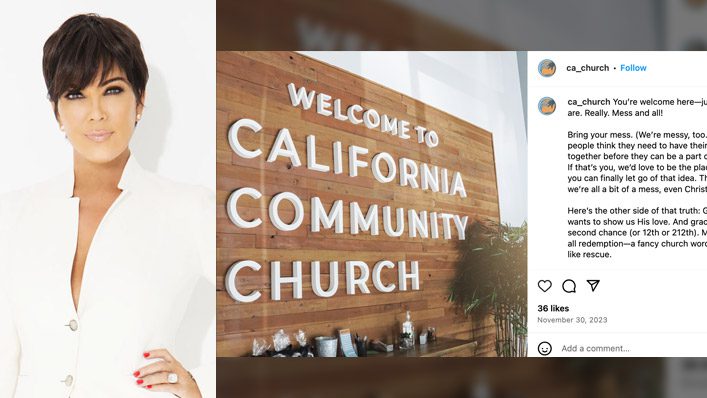
In the contemporary intersection of celebrity culture and spirituality, the phenomenon of celebrities founding or significantly influencing religious organizations is becoming increasingly prominent. Among the myriad examples, one intriguing case is the California Community Church, with Kris Jenner the matriarch of the Kardashian-Jenner family as co-owner. Let’s examine the church’s background, its unique position within both the religious and entertainment spheres, and the broader implications of such celebrity-religious affiliations.

Kris Jenner and The Genesis of California Community Church

Originally named the Life Change Church, the California Community Church (CCC) rebranded and emerged in the Agoura Hills, a location becoming synonymous with celebrity-led religious initiatives. The foundation of the CCC in 2009 marked the Kardashian-Jenner family’s foray into a form of spiritual leadership, with services frequently hosted at local hotels, offering a modern twist on worship locations.

Leadership and Controversy

The church’s leadership under Pastor Brad Johnson, a figure who rebounded from personal scandal to spiritual leadership, underscores a theme of redemption and resilience. Johnson’s transition from barista to pastor, encouraged by Kris Jenner, mirrors the unconventional paths often characteristic of celebrity-related ventures. His involvement in high-profile Kardashian events, like officiating Khloe Kardashian and Lamar Odom’s wedding, further blurs the lines between religious ceremony and entertainment spectacle.

Financial Commitments and Criticisms

The CCC’s requirement for congregants to donate $1,000 per month or commit to a 10% tithe of their income has sparked debate. Kim Kardashian’s public acknowledgment of her tithing to the church, which she frames as charitable giving, raises questions about the intersection of wealth, charity, and religious obligation. This practice invites scrutiny and comparison with other celebrity-driven financial models in religious contexts, highlighting a tension between genuine faith-based community support and potential financial exploitation.

The Broader Implications of Celebrity Churches

The rise of celebrity churches like CCC challenges traditional views of worship, charity, and community. It represents a shift towards a more personalized, brand-centric approach to spirituality, where the lines between personal belief, celebrity endorsement, and religious practice become increasingly blurred.

Celebrity Influence on Religious Engagement

Celebrity-led churches operate in a complex ecosystem of influence, faith, and commerce. The Kardashian-Jenner family’s involvement in the CCC offers a case study in how celebrity can amplify, shape, and sometimes overshadow the core spiritual missions of religious institutions. This dynamic prompts a reevaluation of authenticity and integrity within spaces traditionally seen as sanctuaries from commercial and societal pressures.

The Future of Faith and Fame

As celebrities like Kris Jenner navigate the realms of spirituality and public life, the future of faith communities influenced by such figures remains uncertain. Will these entities evolve into genuine spaces for spiritual growth and community service, or will they be critiqued as extensions of the entertainment industry, more focused on branding than belief? The CCC, with its celebrity ties and unique practices, sits at the forefront of these discussions, embodying the tensions and possibilities of this new religious landscape.

Navigating the Crossroads of Belief and Celebrity

The California Community Church’s story is more than an anecdote about celebrity culture; it’s a reflection of broader shifts in how modern societies engage with faith, community, and identity. As the lines between personal and public, sacred and secular continue to blur, institutions like CCC represent both the potential risks and rewards of this convergence. Whether viewed with skepticism or hope, the phenomenon of celebrity churches underscores a fundamental search for meaning, connection, and purpose in an ever-changing world.

This exploration into the CCC’s foundations, practices, and broader cultural significance offers a lens through which to examine the evolving relationship between celebrity influence and spiritual communities. As society grapples with these transformations, the dialogue between tradition and innovation, privacy and publicity, faith and fame continues to shape the future of religious expression and community life.

Top 5 Most Liberal US Cities: Exploring Hotspots of Progressivism and Inclusivity

0

When it comes to American politics, certain cities shine as beacons of progressive thought and action. The most liberal US cities, celebrated for their forward-thinking policies on social issues, environmental protection, and inclusivity, stand as testaments to the liberal ideals that shape their governance and community life. Exploring the most liberal cities in the U.S., this analysis highlights the reasons behind their progressive reputations.

Understanding Liberalism in Urban Contexts

Liberalism in urban America encompasses a wide range of policies and attitudes, from advocating for civil rights and LGBTQ+ equality to pushing for sustainable urban planning and healthcare reform. These cities not only adopt progressive policies but also cultivate a culture that values diversity, equity, and social justice.

The Most Liberal U.S. Cities

1. San Francisco, California

Why It’s Liberal:

  • LGBTQ+ Rights: San Francisco is synonymous with LGBTQ+ advocacy, home to one of the oldest and largest LGBTQ+ communities in the U.S. The city’s history of LGBTQ+ rights activism, including being the first in the country to legally recognize same-sex marriage, cements its liberal status.
  • Environmental Initiatives: Leading in sustainability, San Francisco has ambitious zero waste goals and extensive public transportation networks, reflecting its commitment to environmentalism.
  • Healthcare Initiatives: San Francisco has been a leader in providing healthcare to all its residents, irrespective of their immigration status, through the Healthy San Francisco program, an initiative that predates the Affordable Care Act.
  • Tech Industry’s Role: The city’s tech industry has also pushed for progressive policies, including diversity in hiring and support for LGBTQ+ tech community events.

Statistics/Data:

  • A 2019 survey by the Public Religion Research Institute found that about 75% of San Franciscans identify as liberal, one of the highest percentages in the nation.

Current Events:

  • In response to the COVID-19 pandemic, San Francisco implemented extensive public health measures and offered financial assistance to affected workers and businesses, showcasing its commitment to community welfare and public health.

2. Portland, Oregon

Why It’s Liberal:

  • Social Justice Movements: Portland is known for its active engagement in social justice, including a strong Black Lives Matter movement and advocacy for homeless rights.
  • Urban Planning: The city’s urban growth boundary and emphasis on public spaces and transportation showcase its progressive approach to city living.
  • Housing and Homelessness: Portland has invested in affordable housing projects and services for the homeless, including the development of tiny house communities as a response to the housing crisis.
  • Environmental Activism: The city is a hub for environmental activism, with numerous organizations and movements originating here, advocating for global climate action and local sustainability practices.

Statistics/Data:

  • Portland’s urban growth boundary, established in the 1970s, has helped preserve over 1.4 million acres of agricultural land and natural habitats.

Current Events:

  • Portland’s City Council recently passed new zoning reforms aimed at increasing housing density and affordability, reflecting its progressive approach to urban development and social equity.

3. Seattle, Washington

Why It’s Liberal:

  • Minimum Wage: Seattle made headlines by becoming one of the first major cities to adopt a $15 minimum wage, a liberal move aimed at reducing income inequality.
  • Climate Action: Seattle’s aggressive climate action plans aim for carbon neutrality, underscoring its commitment to combating climate change.
  • LGBTQ+ Advocacy: Seattle hosts one of the largest Pride parades in the United States, reflecting its long-standing support for LGBTQ+ rights and visibility.
  • Technology and Innovation: The city’s tech giants, like Amazon and Microsoft, actively support progressive causes, including climate change initiatives and social equity programs.

Statistics/Data:

  • In 2020, Seattle allocated over 20% of its city budget to human services, including programs aimed at reducing homelessness and providing mental health support.

Current Events:

    • Seattle has pledged to cut its emissions by 50% by 2030, adopting new policies to promote electric vehicles and green buildings as part of its ambitious climate action plan.

4. Minneapolis, Minnesota

Why It’s Liberal:

  • Police Reform: In the wake of George Floyd’s murder, Minneapolis has been at the forefront of discussions on police reform and racial justice, seeking to overhaul its policing system.
  • Healthcare Access: The city focuses on healthcare access for all residents, with initiatives aimed at reducing healthcare disparities.
  • Civic Engagement: Minneapolis boasts one of the highest rates of voter turnout in the nation, indicative of its residents’ high level of civic engagement and progressive activism.
  • Education Equity: The city is actively working to close the achievement gap in public schools with targeted programs for underserved communities, aiming to create more equitable educational outcomes.

Statistics/Data:

  • Following the murder of George Floyd, Minneapolis saw a significant increase in community-led initiatives, with over $30 million raised for racial justice causes in 2020 alone.

Current Events:

  • Minneapolis is undergoing a citywide examination of police practices and community safety, with proposals to replace the current policing system with a more community-focused public safety model.

5. New York City, New York

Why It’s Liberal:

  • Immigrant Rights: NYC prides itself on being a sanctuary city, with policies designed to protect the rights of immigrants and promote their integration into the community.
  • Education Reform: With initiatives like universal pre-K and efforts to desegregate public schools, NYC demonstrates a progressive stance on education.
  • Climate Initiatives: NYC has launched an aggressive Green New Deal aiming to reduce greenhouse gas emissions by 40% by 2030, including banning new construction with fossil fuels and investing in renewable energy sources.
  • Immigrant Support Services: The city offers extensive support services for immigrants, including legal aid, language education, and healthcare, emphasizing its commitment to being a welcoming city for all.

Statistics/Data:

  • According to the NYC Mayor’s Office of Immigrant Affairs, nearly 3 million immigrants live in New York City, making up over a third of the city’s population and contributing significantly to its cultural diversity and economy.

Current Events:

  • In response to the Supreme Court’s decision to overturn Roe v. Wade, NYC reaffirmed its commitment to reproductive rights, pledging to become a safe haven for those seeking abortion care from more restrictive states.

RELATED: Top 5 Most Conservative States in the U.S.: A Deep Dive into Their Core Ideologies

Factors Influencing Urban Liberalism

  • Demographics: The diversity of large cities often leads to more liberal attitudes towards immigration, LGBTQ+ rights, and racial equality.
  • Education: Higher levels of education in urban areas correlate with progressive views on social issues and climate change.
  • Economic Structure: Cities with economies centered around technology, education, and creative industries tend to be more liberal.

Challenges and Criticisms

While these cities are celebrated for their progressivism, they also face challenges, including affordability crises, homelessness, and debates over the effectiveness of certain liberal policies. Critics argue that liberal policies can sometimes exacerbate issues they aim to solve, highlighting the complexity of governance in these urban centers.

The most liberal US cities offer fascinating insights into how progressive ideals shape urban policies and culture. From San Francisco’s pioneering LGBTQ+ rights movement to Seattle’s climate initiatives, these cities embody a vision of a more inclusive, equitable, and sustainable future. However, navigating the balance between progressive ideals and the practicalities of urban governance remains an ongoing challenge. As these cities continue to evolve, they will undoubtedly remain at the forefront of America’s political and social landscape, pushing the boundaries of liberalism in the quest for a better society.

Top 5 Most Conservative States in the U.S.: A Deep Dive into Their Core Ideologies

0

When it comes to American politics, states often showcase distinct political and social ideologies. Among these, conservative states stand out for their adherence to traditional values, fiscal conservatism, and a preference for smaller government. This blog post explores the most conservative states in the U.S., providing examples of their conservatism through political affiliation, voting patterns, and social policies.

Understanding Conservatism

Before diving into the list, it’s essential to define what being “conservative” means in the context of American politics. Conservatism typically emphasizes limited government intervention, traditional social values, and a free-market economy. These principles manifest differently across states, influenced by historical, cultural, and demographic factors.

The Most Conservative States

1. Texas

Political Landscape: Texas has long been a stronghold for conservative politics, with a significant Republican majority in state governance and consistent support for Republican candidates in national elections.

Examples of Conservatism:

  • Gun Rights: Texas is known for its strong support of the Second Amendment, with laws that facilitate gun ownership and use.
  • Economic Policies: The state boasts no personal income tax and a business-friendly environment, reflecting fiscal conservative principles.

Beyond its well-known stance on gun rights and economic policies, Texas also exhibits conservatism through:

  • Education: Texas has been at the forefront of debates over educational content, advocating for curriculums that emphasize traditional American values and history, and recently pushing back against critical race theory.
  • Immigration Policies: The state’s tough stance on immigration, including the allocation of billions of dollars for border security and support for the construction of a border wall, reflects a conservative approach to national sovereignty and law enforcement.

2. Alabama

Political Landscape: Alabama’s deep-rooted conservative values are evident in its political representation and legislation, particularly regarding social issues.

Examples of Conservatism:

  • Abortion Laws: Alabama has some of the nation’s most restrictive abortion laws, embodying the conservative stance on life and family values.
  • Religious Influence: The state’s policies often reflect a strong influence of Christian conservative values, including in education and public life.

Alabama’s conservative values extend into various aspects of its governance and daily life, including:

  • Voting Laws: Alabama has implemented strict voter ID laws, which supporters argue are necessary to prevent fraud, reflecting a broader conservative concern with maintaining electoral integrity.
  • Religious Expression in Public Spaces: The state has seen legislative efforts to allow more religious expression in public spaces, such as the display of the Ten Commandments in public schools and government buildings.

3. Wyoming

Political Landscape: Wyoming’s conservatism is marked by its strong support for Republican candidates and a libertarian streak in its approach to government intervention.

Examples of Conservatism:

  • Energy Policies: Emphasis on the energy sector, particularly coal and oil, aligns with conservative priorities on economic independence and skepticism towards climate change initiatives.
  • Gun Rights: Like Texas, Wyoming has permissive gun laws, underscoring the conservative emphasis on individual rights.

Wyoming’s libertarian-leaning conservatism is evident in several key areas:

  • Land Use and Environmental Policies: The state’s resistance to federal environmental regulations, particularly those that could impact its coal, oil, and natural gas industries, underscores a conservative preference for economic development over environmental concerns.
  • Healthcare: Wyoming’s approach to healthcare reform, focusing on free-market solutions and opposing the Affordable Care Act’s mandates, showcases its conservative stance on government involvement in healthcare.

4. South Dakota

Political Landscape: South Dakota’s political leanings are solidly conservative, with a focus on small government and individual liberties.

Examples of Conservatism:

  • COVID-19 Response: The state’s minimal restrictions during the pandemic highlighted a conservative approach to government intervention.
  • Tax Policy: South Dakota has no state income tax, reflecting conservative fiscal policies.

South Dakota’s conservatism is vividly illustrated through its policies and social ethos, including:

  • Transgender Sports Ban: The state has passed legislation banning transgender girls and women from competing in female sports leagues, echoing conservative concerns over gender identity issues.
  • Freedom of Speech on College Campuses: South Dakota has enacted laws to protect freedom of speech in higher education, challenging what many conservatives perceive as a liberal bias in academia.

5. Idaho

Political Landscape: Idaho showcases a blend of conservative and libertarian values, with a strong preference for minimal government oversight and traditional social norms.

Examples of Conservatism:

  • Education: Legislation often focuses on traditional values, with recent bills targeting issues like transgender student athletes.
  • Public Lands: Despite abundant federal lands, there’s strong support for state or private control, mirroring conservative views on government size and land rights.

Idaho demonstrates its conservative leanings through policies that emphasize traditional values and limited government:

  • Abortion Laws: Idaho has passed some of the nation’s most restrictive abortion laws, including legislation that allows family members to sue anyone who helps a woman obtain an abortion, reflecting conservative pro-life values.
  • Second Amendment Sanctuaries: Several Idaho counties have declared themselves “Second Amendment Sanctuaries,” opposing gun control laws that they believe infringe upon constitutional rights, further emphasizing the state’s conservative stance on gun rights.

Factors Contributing to Conservatism

Economic Philosophies

Conservative states often prioritize economic policies that support free markets, low taxation, and minimal regulation, believing these foster growth and personal freedom.

Social Values

Many conservative states hold traditional views on marriage, family, and gender roles, reflecting their constituents’ religious and cultural beliefs.

Rural vs. Urban Divide

The rural nature of some conservative states contributes to their political outlook, with rural areas typically showcasing more conservative values compared to urban centers.

The most conservative states in the U.S. embody a spectrum of ideologies, from staunch fiscal conservatism to deep-seated traditional values. Texas, Alabama, Wyoming, South Dakota, and Idaho each demonstrate their conservatism through policies and practices that prioritize individual liberties, economic freedom, and traditional social norms. These states represent the diverse ways in which conservative principles manifest in American political life, highlighting the rich tapestry of ideologies that define the United States.

Embarking on a Spiritual Quest: A Guide to Beginning Your Bible Reading Journey

0

Embarking on a spiritual journey through the Bible can sometimes feel overwhelming, given its profound depth and breadth. Yet, the longing to draw closer to God through His Word is a noble pursuit, one that countless others have navigated before. Inspired by a vibrant discussion among believers on Reddit, this guide aims to illuminate a path for rekindling your connection with scripture, tailored especially for those feeling distant or overwhelmed by Bible reading.

Bible Reading: Discovering Where to Begin

The consensus among many is to start with the Gospels — Matthew, Mark, Luke, and John — which provide a direct window into the life, teachings, and salvation offered by Jesus Christ. This approach is not only about reading but also about allowing these accounts to speak into your life, revealing the character of Jesus and His call to follow Him.

Embracing the Gospels

A Reddit user suggested, “Matthew, Mark, Luke, and John and then the rest of the New Testament is a good starting point.” This sequence offers a foundational understanding of Christian faith, directly connecting readers with the heart of God’s message.

The Role of Study Bibles

Another added, “Please, if you can, get a study Bible! It’s important to understand what you are reading.” Study Bibles provide essential context, explanations, and insights that enrich your reading experience, making the scriptures more accessible and meaningful.

Deepening Your Spiritual Journey

As your familiarity with the Gospels grows, expanding your exploration into the Acts and the Epistles deepens your understanding of the early church and the principles of Christian living. The book of Acts reveals the work of the Holy Spirit in the apostles and the early Christian community, serving as a powerful testament to the impact of living a life led by the Holy Spirit.

The Old Testament: A Rich Tapestry of Faith

While the New Testament offers the cornerstone of Christian belief, the Old Testament lays the foundation of God’s relationship with humanity. Books like Genesis and Exodus introduce the creation, the fall, and God’s covenant with His people, offering essential background that enriches the New Testament’s significance.

Exploring the Old Testament not only provides context for the New Testament but also deepens our understanding of God’s enduring faithfulness and love. Here’s how to approach a specific book—Exodus—as an example of engaging with the Old Testament in a way that enriches one’s faith journey.

Example: Reading the Book of Exodus

Preparation:

  1. Set Aside Time: Choose a quiet moment in your day to read. Early morning or evening can be ideal times when the house is quiet, and you can focus.
  2. Pray for Insight: Before you start, pray that God would open your heart and mind to understand the truths in Exodus and how they apply to your life today.

Engage with the Text:

  1. Read Thoughtfully: Begin with Exodus 1, noting the context of the Israelites’ suffering in Egypt. Observe how God hears their cries and remembers His covenant with Abraham, Isaac, and Jacob.
  2. Note Key Themes: As you read about Moses’ calling (Exodus 3), the plagues (Exodus 7-12), and the parting of the Red Sea (Exodus 14), pay attention to themes of deliverance, faith, and God’s sovereignty.

Reflect on the Faith Journey:

  1. Identify with the Israelites: Consider the Israelites’ struggle to trust God despite witnessing His miracles. Reflect on times in your own life when trust in God was a challenge despite His faithfulness.
  2. Moses as a Leader: Reflect on Moses’ reluctance and God’s reassurance. Think about what this teaches us about God’s call and provision in our own lives.

Respond and Apply:

  1. Journal Your Insights: Write down what you learn about God’s character from the story of the Exodus. How does seeing God’s faithfulness to the Israelites encourage you in your faith journey?
  2. Pray Through the Text: Use the themes and stories as a guide for your prayers. For instance, pray for the faith to trust God’s promises and deliverance in your own “wilderness” periods.

Connect to the New Testament:

  1. Draw Parallels: Consider how Jesus is our Passover Lamb (1 Corinthians 5:7). Just as the blood of the lamb spared the Israelites, Jesus’ sacrifice spares us from death and brings us into a new covenant with God.
  2. Reflect on Freedom: Exodus tells the story of physical freedom from slavery. Reflect on how Jesus offers spiritual freedom from sin (John 8:36).

Share and Discuss:

  1. Community Reflection: Share your insights with a friend or Bible study group. Discuss how understanding the Exodus story deepens your appreciation for Jesus’ sacrifice and God’s plan for salvation.

Review and Continue:

  1. Reflect on Your Day: At the end of the day, reflect on any moments where you experienced or remembered God’s faithfulness and provision.
  2. Plan to Read On: Continue reading through Exodus, looking for God’s instructions for living as His people. How does the establishment of the Law reflect God’s care for and commitment to His people?

Integrating Scripture into Daily Life

A Psalm a Day

One user recommended, “Read a Psalm each day. You’ll go through Psalms about twice per year. Take your time and meditate on it.” The Psalms offer a spiritual rhythm of prayer, lament, and praise, reflecting the full spectrum of human experience with God.

Reading a Psalm a day is a spiritually enriching practice that can deepen your relationship with God. Here’s a structured example of how to incorporate this into your daily routine, using Psalm 23 as an example:

Day 1: Psalm 23 – “The Lord Is My Shepherd”

Preparation:

  1. Find a Quiet Space: Choose a place where you can be undisturbed for a few minutes of Bible reading. This could be a favorite chair in your living room, a spot in your garden, or even a quiet park bench.
  2. Gather Your Materials: Have your Bible or a Bible app ready. You may also want a notebook and a pen for jotting down thoughts or prayers.

Reading:

  1. Read Slowly: Begin by reading Psalm 23 slowly. Don’t rush; let the words sink in. If you’re using a physical Bible, you might run your finger along the lines as you read.
    “The Lord is my shepherd, I lack nothing.
    He makes me lie down in green pastures,
    he leads me beside quiet waters,
    he refreshes my soul.”
  2. Read Aloud: If possible, read the Psalm aloud. Hearing the words can help you engage more deeply with the text.

Reflection:

  1. Meditate on the Text: Think about what you’ve just read. What words or phrases stand out to you? How does this Psalm make you feel? For Psalm 23, you might reflect on the imagery of God as a shepherd and what that signifies about His care and guidance.
  2. Personalize Your Reflection: Consider what this Psalm means for your life. Are there areas where you’re experiencing fear or need guidance? How does the assurance of God’s presence in this Psalm speak to those feelings?

Response:

  1. Prayer: Respond to God in prayer. Thank Him for His guidance and care. Share any fears or needs you have, and ask Him to help you trust Him as your shepherd.Example: “Lord, thank You for being my shepherd, for guiding me, and providing for my needs. Help me to trust You more, especially in areas of my life where I feel lost or anxious.”
  2. Journal: Write down your thoughts, prayers, or any commitments you want to make based on your reading and reflection.

Application:

  1. Identify One Action Step: Based on your reflection, identify one practical way you can live out the truth of Psalm 23 today. It could be as simple as taking a moment to thank God for His provision throughout the day or reaching out to someone who needs comfort.
  2. Share: Consider sharing what you’ve learned in your Bible reading with a friend or family member. This could be a brief conversation, a text, or even sharing in a small group. Discussing what you’ve read can further deepen your understanding and encourage others.

Review:

At the end of the day, take a few minutes to reflect on how Psalm 23 influenced your day. Did you notice God’s presence in a new way? How did your action step impact your day or those around you?

The Importance of Community

Engaging with a community of believers, whether through a local study group or online forums, can offer support, insight, and encouragement. As one Redditor put it, “Luckily I have this amazing sub to refer back to when I need to.”

Embracing the Bible as a Continuous Story

Viewing the Bible as a cohesive work, from Creation to Christ’s Second Coming, opens up a deeper understanding of God’s purposes and promises. The Old Testament’s prophecies and the New Testament’s fulfillment through Jesus weave together into a single, divine story of redemption and hope.

A Personal Journey Guided by Collective Wisdom

Drawing on the collective wisdom of fellow believers, this guide offers a starting point for those seeking to deepen their relationship with God through Bible reading. Whether you begin with the Gospels, dig into the Psalms, or explore the epistles, remember that this journey is deeply personal. Let the Holy Spirit guide you, and remain open to the transformative power of scripture. May your path through the Bible lead you to a closer, more intimate relationship with God, as you discover His truths and His love anew.

Navigating Love Through Faith: Comprehensive Christian Dating Advice

0

In the journey of Christian dating, aligning one’s love life with faith is both a priority and a challenge. With the complexities of modern relationships, applying Christian principles helps maintain a meaningful connection grounded in mutual respect and shared values. This guide offers a holistic approach to Christian dating advice, providing insights and advice for individuals at different stages of their relationship journey.

Christian Dating Advice for Ladies

Embrace Your Worth

In the journey of faith and love, recognizing your value in God’s eyes is paramount. A relationship should be a source of upliftment for your faith, not a reason for compromise. It’s about finding someone who sees you through the same lens of unconditional love that God does, someone who respects and encourages your devotion and personal growth.

Take, for example, the story of Sarah, a freelance artist who felt uncertain about her unconventional career path. Yet, her faith taught her that her worth was defined not by societal standards but by how she used her God-given talents. When Michael came into her life, he didn’t just appreciate her art; he encouraged her to view her work as a form of ministry. His support was a testament to finding a partner who cherishes you as God does.

Similarly, Emily’s tale underscores the importance of shared values. Deeply involved in her church’s youth ministry, Emily had felt pressured in past relationships to minimize her commitment to her faith activities. Alex, however, didn’t see her involvement as a hurdle but rather joined her in her efforts, volunteering alongside her. His actions spoke volumes about seeking a partner who not only respects but bolsters your devotion and personal growth.

Set Boundaries Early

Discussing physical, emotional, and spiritual boundaries early on is crucial in nurturing a respectful and honoring relationship. It sets a foundation for understanding, ensuring both parties feel valued and comfortable.

Marcus and Jenna’s story illustrates the importance of setting physical boundaries. By openly discussing their commitment to purity early in their relationship, they established a mutual understanding that protected their values and honored God. This conversation not only deepened their respect for each other but also reinforced their commitment to maintaining a relationship that reflects their faith.

On the emotional front, Leah and Tom’s experience highlights the significance of acknowledging past hurts and establishing emotional boundaries. Leah needed a relationship characterized by open and honest communication, a safe space where vulnerability was met with understanding and care. Tom’s willingness to respect her boundaries and his commitment to mindful communication fostered a strong emotional bond between them, built on trust and mutual respect.

Christian Dating Advice for Guys

Navigating the path of Christian dating demands not just heartfelt intentions but a clear demonstration of those intentions through actions. It’s about leading with integrity and jointly pursuing a relationship with God.

Lead with Integrity

For Christian men, being transparent about your intentions and living out your faith in honesty and integrity is paramount. Consider the story of Daniel, who entered his relationship with Mia with the clear intention of honoring her and God. He communicated openly about his desire for their relationship to reflect Christian values, ensuring that Mia knew his commitment was not just to her but also to a life led by faith. Daniel’s actions—from the choices he made to the way he treated Mia—were a testament to his integrity, showing that true leadership in a relationship is grounded in honesty and a sincere heart.

Pursue God Together

Embarking on a spiritual journey together can significantly deepen a couple’s connection. Alex and Sophia made their relationship a shared pilgrimage towards God. They committed to daily devotions, actively participated in their church community, and set spiritual milestones to achieve together. This shared pursuit not only brought them closer to God but also to each other, cementing their bond with the shared values and goals they held dear. Their journey underscored the idea that a relationship rooted in mutual faith could flourish beautifully, navigating life’s ups and downs with grace and unity.

Intimacy in Christian Dating

Understanding True Intimacy

In the realm of Christian dating, understanding true intimacy involves much more than physical closeness. It’s about creating a bond that encompasses emotional depth and spiritual unity, laying a foundation of trust, open communication, and shared faith experiences.

Consider the journey of Anna and Elijah, who discovered that true intimacy was about more than just physical attraction. They focused on building a relationship grounded in trust and open dialogue, sharing their dreams, doubts, and spiritual journeys. Their commitment to understanding each other’s emotional needs and supporting each other’s faith walk illustrated the profound bond of true intimacy. They learned that shared moments of vulnerability brought them closer, revealing that at the heart of lasting love was the courage to be open and genuine with one another.

The Role of Prayer

Prayer plays a pivotal role in deepening the intimacy of a Christian relationship. It’s not just a routine or a ritual but a shared conversation with God, where couples can lay bare their fears, seek guidance, and express gratitude for their journey together.

James and Rachel made prayer the cornerstone of their relationship. Every evening, regardless of the challenges of the day, they would come together to pray. This sacred time allowed them to surrender their worries, celebrate their joys, and seek direction for their future. Through prayer, they found a strength that was greater than either of them alone could offer, a divine reinforcement of their bond. They testified that involving God through prayer transformed their relationship, providing clarity in confusion and peace in turmoil.

Advice for Christian Dating Couples

In the journey of Christian dating, certain principles stand out for their power to enrich and sustain relationships. Keeping God at the center of your relationship and prioritizing open, honest communication are two pillars that can support a loving, enduring partnership.

Keep God at the Center

For Christian couples, making God the cornerstone of their relationship is essential. It’s about more than shared beliefs; it’s about living those beliefs together, in unity and love.

Take Nathan and Lisa, for instance. Early in their relationship, they made a commitment to integrate their faith into every aspect of their lives. They attended church services together every Sunday, set aside time each evening for joint prayer, and participated in a weekly Bible study group. This shared spiritual practice helped them to not only grow closer to God but to each other, fostering a deep, unshakeable bond rooted in shared faith.

Their story exemplifies how keeping God at the center of a relationship can transform it from simply a romantic connection to a spiritual journey shared, creating a bond that is both strong and centered on Christ.

Communication Is Crucial

The importance of communication in a relationship cannot be overstated. It’s the lifeline through which partners connect, understand, and support each other.

Consider the example of Michael and Sarah. They made a pact to always communicate openly about their feelings, faith, challenges, and aspirations. When Sarah was facing doubts about her career path, she felt comfortable sharing her fears with Michael, knowing he would listen without judgment. Together, they prayed for guidance and discussed various perspectives, strengthening their relationship through the vulnerability and trust displayed in these conversations.

Their experience underscores the critical role of communication in a Christian relationship. It’s not just about talking; it’s about connecting, understanding, and growing together in faith and love. Honest and respectful conversations are indeed the foundation of a strong and enduring relationship.

In the pursuit of a love that honors both heart and faith, Christian dating emerges as a beautifully complex journey, woven with the threads of divine guidance, mutual respect, and shared values. This comprehensive guide has aimed to illuminate the path for those navigating the waters of Christian dating, offering insights and advice to foster relationships that are not only fulfilling but deeply rooted in Christ.

From the wisdom imparted to ladies about recognizing their worth in God’s eyes to the guidance given to men on leading with integrity, each piece of advice serves as a beacon, guiding towards relationships that uplift and honor one’s faith. The tales of Sarah and Michael, Emily and Alex, illustrate the joy and fulfillment found in partnerships that respect and encourage one’s devotion and personal growth. Similarly, the stories of Marcus and Jenna, Leah and Tom, showcase the importance of setting and respecting boundaries, a foundation for any relationship that seeks to honor both the individuals and their shared faith.

The journey towards true intimacy, as shared through Anna and Elijah’s story, along with James and Rachel’s commitment to prayer, highlights the profound bond that forms when couples place God at the center of their relationship. This spiritual intimacy, nurtured through open communication, prayer, and shared devotions, transcends mere physical connection, offering a glimpse into the soul-deep union that Christian dating strives for.

For Christian couples, the advice to keep God at the center of their relationship and maintain open, honest communication is not merely guidance but a call to action. Nathan and Lisa’s dedication to integrating their faith into every aspect of their relationship stands as a testament to the strength and depth achievable when two hearts are joined not just by love for each other but by love for God.

In concluding, the journey of Christian dating is one of continuous growth, learning, and deepening of both personal faith and shared connection. It’s a journey marked by moments of joy, challenges, and profound discoveries, where the ultimate goal is not simply to find love but to grow in love — a love that reflects the grace, strength, and beauty of our faith. As we navigate this path, let us hold fast to the principles of integrity, mutual respect, and, above all, a steadfast commitment to placing God at the center of our relationships. In doing so, we open our hearts to the kind of love that not only lasts but also elevates and sanctifies, embodying the very essence of Christian dating.